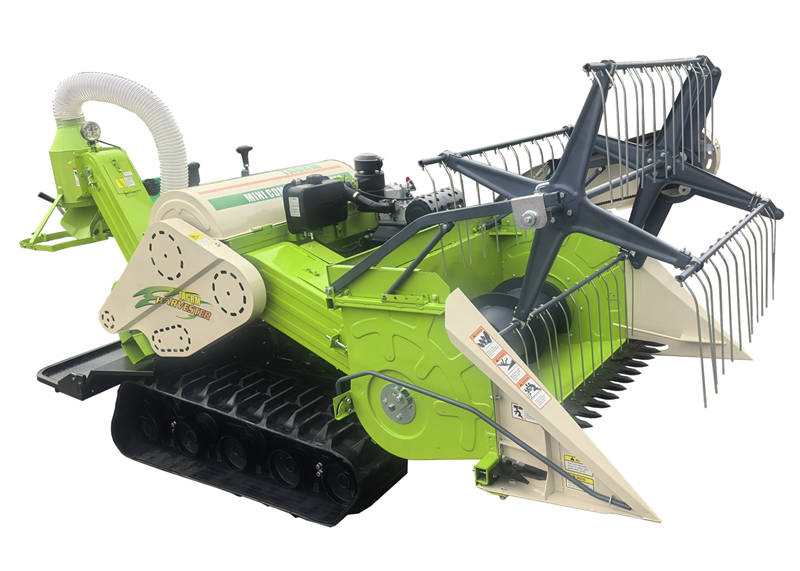
Threshing is the traditional corn production problem, manual threshing is not only a large workload but also low efficiency. With the continuous improvement of agricultural mechanization technology, threshing machines are widely used. Good quality threshing machines have stable performance and mature technology, and the corn kernels after mechanical threshing are convenient for deep processing and storage, which effectively ensures the smooth progress of corn production work. However, in the actual use of corn threshers, because farmers do not have a comprehensive grasp of mechanical principles and methods of use or the operation is not standardized, it is easy to seed destruction, damage to the machine, low efficiency, and even safety risks, which affects the operational effect of the thresher, therefore, the standardized use of corn threshers is an effective guarantee of smooth production.
1. Basic principle
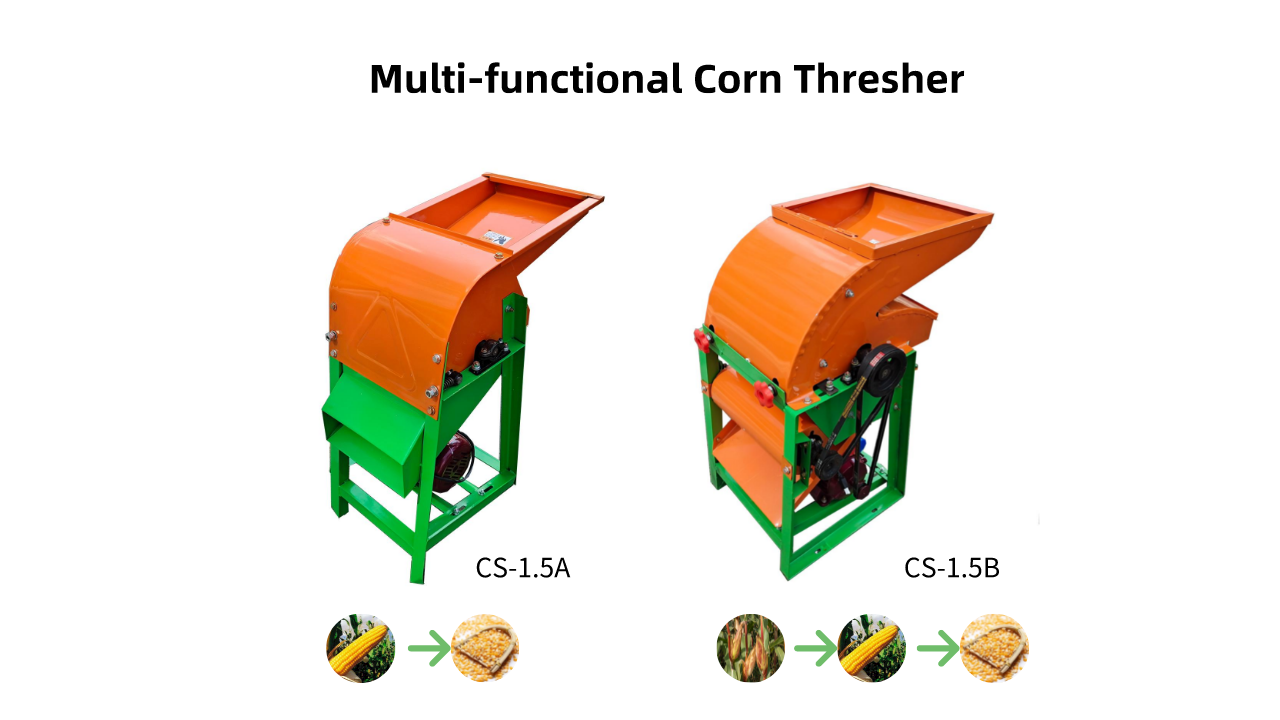
After harvesting, the corn can be threshed by the manual with the conveyor belt to achieve feeding, feeding inlet is located in the upper part of the machine, feeding the corn into the threshing chamber, due to the rotor and drum rotation impact, the seeds will be stripped down in turn, the current stage of the threshing machine more than the way to ensure that the seeds of the threshing rate of multiple threshing. After threshing, the corn kernels are separated by the sieve, and the remaining corn husks and corn silk, and other debris are discharged under the action of the fan, and the kernels can be collected automatically.
The main power device of the corn thresher is the motor, which drives the operation of the threshing drum and the fan through the rotation of the motor, and can realize the work requirements of corn threshing, screening, and debris removal, and collection. Under the continuous optimization of the mechanical structure, the current production of corn threshing machine models is more compact and integrated, and functional and reasonable, effectively achieving high efficiency and low energy consumption, and save space, convenient for use in rural areas.
2. Precautions for use
2. 1 Placement and commissioning
(1) The basic requirements for the working site of the thresher are level ground, sufficient area, and a prescribed power supply. Threshing machine placement should pay attention to its discharge outlet should be placed in the direction of the wind, to avoid poor discharge of debris, while setting up effective fire prevention facilities around the site.
(2) Thresher installation to ensure that the four feet are smooth, and the equipment does not produce shaking or obvious vibration, in the shutdown state, check the installation of thresher parts, to confirm that the key parts are fixed and reliable, flexible rotation parts and the clear adjustment mechanism is properly adjusted, safety facilities are complete and effective, no tools or other debris left in the machine.
(3) Before the official use of the threshing machine, must be test-run and re-commissioning, through the machine idle to see whether the drum, fan, and other problems such as poor operation, stalling, noise, etc., to confirm that there is no error can first add a small amount of corn running to check the threshing state.
(4) The operator of the threshing machine should do a good job of safety protection, long-haired personnel should tie up their hair and wrap it with a hat, and all staff in the threshing process should wear a mask and cover their arms and legs with clothing.
2. 2 Threshing work implementation precautions
(1) In the threshing operation, must be fed into the corn as required, the amount of feeding can not be too much, to avoid threshing is not a clean or threshing machine operating load is too high, resulting in food waste or threshing machine failure problems; feeding amount is also not too low, to avoid the machine operating efficiency is not enough, a serious waste of resources; more should avoid uneven feeding, that is, the amount of corn when more and less, which will not only lead to low efficiency but also This will not only lead to low efficiency but also affect the rate of corn stripping.
(2) Threshing machine work, should ensure that the drum speed is in the specified range, usually, the higher the threshing drum operating speed, the higher the rate of grain removal, but also will lead to increased breakage rate; and the lower the threshing drum operating speed, the breakage rate is relatively low, but the seed removal rate is also reduced. In addition, the clearance of the drum should be adjusted to the appropriate range according to the moisture content of corn and other factors after comprehensive consideration.
(3) To pay attention to the rest and adjustment of the machine, under normal circumstances, the thresher should be stopped every 8 h to check the lubrication and wear of the machine, and the parts found to be badly worn or failing for other reasons should be replaced in time.
(4) Threshing machines in the process of use should pay close attention to the state of the equipment, found that the threshing machine operation abnormalities should immediately be stopped, check, and troubleshoot before continuing threshing operations.
3. Maintenance precautions
(1) After the completion of threshing work, should promptly remove the corn and other debris stored inside the machine, check whether there are parts loose due to mechanical operation, timely adjustment of the transmission belt and chain tension, and clean and maintain it.
(2) Check whether the threshing machine safety protection facilities are complete and reliable installation, found lost should be timely replenishment, for open welding and damaged mechanical parts should be done promptly to repair, the necessary should be anti-rust treatment.
(3) To long-term storage of threshing machine, should be placed in a dry warehouse or factory shed threshing machine, and appropriate pillows will be matted body, properly covered, to avoid the machine moisture, exposure to the sun parts aging and corrosion problems.