News
-
Breaking the Nitrogen Efficiency Bottleneck: How TAGRM Mechanization Reshapes Cassava ROI
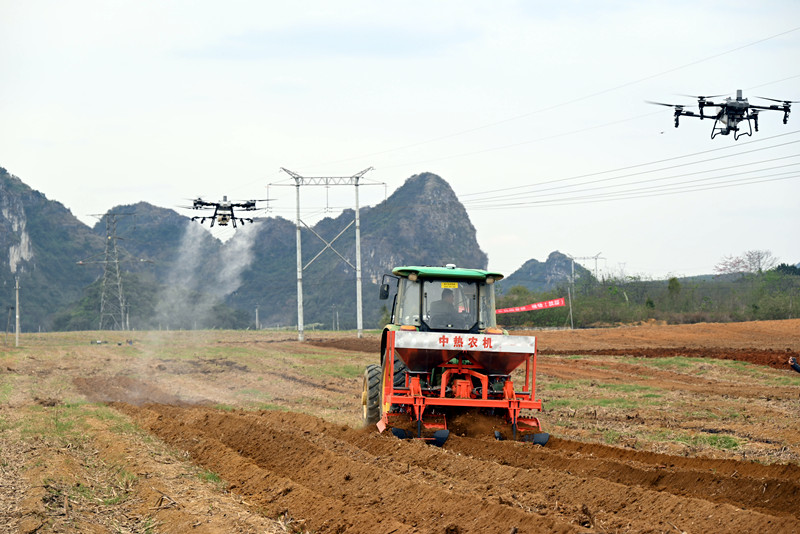
In modern agriculture, fertilizer inputs often account for over 30% of operating costs. As our comparison shows, while cassava is famous for being "hardy" and requires significantly less nitrogen per unit than corn or sugarcane, scientific nutrient management remains the key to widening the profit gap in commercial scaling and high-starch content production. As a global leader in agricultural machinery, TAGRM (Nanning Tagrm Co., Ltd.) has been deeply rooted in the cassava sector for over 20 years. We have found that the limit on cassava profit isn't the fertilizer itself—it's outdated application methods. 1. Why "Precision Fertilization" is Vital for Cassava Cassava may not be a "heavy feeder" of nitrogen, but it is extremely sensitive to the timing and depth of application: Preventing Overgrowth: Excessive or surface-applied nitrogen causes "rank growth" (luxuriant stems and leaves), preventing nutrients from reaching the roots. Boosting Starch: By laying a solid foundation with deep fertilization in the early stages and balancing with potassium later, you achieve a leap in starch accumulation. TAGRM Solution: Our new generation 2CM series cassava ridging planter integrates ridging, furrowing, fertilizing, planting, and soil covering into a single operation. This series features a large ridging plow that creates ridges immediately upon starting. Adjustable furrowing plows ensure fertilizer is precisely placed 3-5cm below the seeds, ensuring efficient absorption by developing roots while reducing nitrogen loss from rainwater runoff. 2. Mechanization: From "Weather-Dependent" to "Cost-Controlled" Compared to sugarcane or corn, cassava is often grown in areas with uneven soil fertility. Manual fertilization is not only inefficient (one person covers only a few mu per day) but also suffers from uneven distribution. High Efficiency & Lower Costs: Using a TAGRM tractor-mounted planter, work efficiency reaches 0.3 - 0.5 hectares per hour, replacing dozens of laborers. Under equal yield conditions, precision mechanical fertilization can save approximately 15%-20% in fertilizer waste. High Adaptability: Whether dealing with the clay soils of Africa or the sandy loams of Southeast Asia, TAGRM planters feature adjustable fertilization rates to ensure precise and controllable fertilizer use on any type of land. 3. Full Mechanization: Beyond Just Planting Beyond the core planting stage, TAGRM provides efficiency gains across the entire life cycle of the crop: High-Efficiency Harvesting: Paired with our MSU Series Harvesters, heavy harvesting work is simplified into a mechanical process that minimizes root damage and ensures a direct path to the factory for processing. 4. Why Choose TAGRM? In the world of agricultural machinery, we don't just sell equipment—we export agronomic logic. "We understand the gamble cassava farmers take between fertilizer costs and yield. TAGRM's design philosophy is to use precise mechanical intervention to ensure every gram of nitrogen is converted into underground starch." Global Footprint: Our products are exported to major cassava-producing nations including Nigeria, Congo, Indonesia, and Cambodia. Exceptional Support: We provide comprehensive technical guidance, from agronomic matching to mechanical maintenance, ensuring a significant return on investment in your first growing cycle. If you are planning a large-scale cassava project or looking to upgrade your current machinery: Contact the TAGRM team today for a customized mechanization plan. We can calculate your potential fertilizer savings and efficiency gains based on your target yield. Would you like to see the detailed specifications or field operation videos for the 2CM series planter?
2026 03/27
-
TAGRM launches an economical and practical cassava primary processing production line.
TAGRM launches an economical and practical cassava primary processing production line to help small and medium-sized production capacities start efficiently. For many small and medium-sized cassava processing plants or entrepreneurs entering the industry, it is crucial to invest in a set of primary processing equipment that can meet basic processing needs and is economical, affordable, and easy to operate. TAGRM accurately grasps this market demand and launches a new economical cassava primary processing production line. The design concept of this production line is based on "practical, efficient, and simple", focusing on completing the core pretreatment process of cassava tubers. The daily processing capacity can reach 150 tons, making it an ideal choice for small to medium-sized processing operations. Core process, one-step Although this production line has a compact structure and streamlined configuration, it covers the four basic links that are indispensable for cassava primary processing: Continuous transportation: The front end of the production line is equipped with a simple belt conveyor, which is responsible for smoothly and continuously transporting the cassava raw materials from the feeding area to the subsequent workstations. The structure is sturdy and durable to ensure smooth supply of raw materials. Basic impurity removal: A vibrating screen or drum screen is used for preliminary impurity removal. Effectively separate most of the larger impurities, such as soil, stones, vines, etc., carried by cassava, significantly improve the cleanliness of raw materials, and create conditions for subsequent cleaning and processing. Efficient cleaning: The core cleaning link is equipped with a powerful spray cleaning tank. Use high-pressure water flow to flush the mud and residual impurities attached to the surface of cassava from multiple angles. The design focuses on the balance between cleaning effect and water resource utilization to ensure that cassava meets the basic cleanliness standards for subsequent processing or sale. It can be equipped with a simple sedimentation tank for preliminary water circulation. Uniform slicing: The key slicing process uses a mechanical slicer with a reliable structure. Equipped with a standard knife disc, the slice thickness can be adjusted as needed (usually suitable for subsequent drying or simple processing). The equipment runs stably to ensure that the cassava slices are cut evenly and meet basic quality requirements. Economical and practical, with outstanding advantages The core value of this economic production line of TAGRM lies in meeting the core demands of small and medium-sized customers: Low investment threshold: The equipment structure is simplified, the material selection is practical, and the initial purchase cost is significantly reduced. Economic operating cost: Low energy consumption, simple maintenance, and controllable daily operating expenses. Easy operation and management: moderate degree of automation, clear and intuitive process, low technical requirements for operators, easy to use and maintain. Accurate capacity matching: 150 tons/day processing volume accurately covers the daily needs of small and medium-sized processing plants or cooperatives, avoiding idle equipment or insufficient capacity. Small footprint: The whole line layout is compact, the plant space requirements are not high, and it is easy to install and deploy. Basic quality assurance: Effectively complete basic processes such as conveying, impurity removal, cleaning, and slicing to ensure that the processed cassava slices are clean and relatively uniform in specifications, meeting the requirements of the primary market or subsequent simple processing. TAGRM: Help cassava processing start easily For customers with a daily processing volume of about 150 tons and pursuing cost-effectiveness and ease of operation, TAGRM's economical cassava primary processing production line provides a reliable choice. It strips away unnecessary complex functions, focuses on the efficient and stable operation of core processes, and effectively solves the equipment needs of small and medium-sized cassava processing companies in the start-up stage or basic processing links. Choosing TAGRM means that you can obtain a set of practical equipment that can effectively improve the pretreatment efficiency and ensure the basic processing quality with a more economical investment, laying a solid foundation for your cassava processing business.
2025 07/04
-
Sugarcane planters and cultivators inject new impetus into agriculture on Reunion Island
In the vast Indian Ocean, Reunion Island has nurtured rich natural resources with its fertile land and pleasant climate, especially the sugarcane industry, which has always been the pillar industry of the local economy. However, with the development of the times, traditional planting methods can no longer meet the needs of high efficiency and high yield. It is in this context that TAGRM Co., Ltd., with its sugarcane planters and cultivators, cooperated with local dealers to officially enter the Reunion Island market, bringing an unprecedented change to local agriculture. TAGRM Co., Ltd., as an agricultural machinery manufacturer with profound technical accumulation, has always been committed to transforming the most cost-effective technology into actual productivity. Our sugarcane planter has won wide acclaim worldwide for its precise sowing technology and efficient utilization advantages. In Reunion Island, this machine can accurately complete a series of planting processes such as digging holes, planting seedlings, and covering soil, which not only greatly improves planting efficiency, but also effectively guarantees the growth quality of sugarcane. The TAGRM sugarcane cultivator is a powerful assistant for sugarcane field management. It can deeply loosen the soil, retain water and fertilizer, and create a good growth environment for sugarcane. Through scientific fertilization and weeding, the cultivator significantly improves the lodging resistance and yield of sugarcane. In addition, the efficient operation of the cultivator greatly shortens the field management cycle, saving a lot of time and cost for sugarcane farmers. The special geographical location and climatic conditions of Reunion Island provide unique advantages for sugarcane planting. The sugarcane planters and cultivators of TAGRM Co., Ltd. are the key to transforming this advantage into actual productivity. We firmly believe that by introducing these advanced agricultural machinery products, the sugarcane industry in Reunion Island will usher in a more prosperous development prospect.
2024 12/24
-
How to use 2CZ-2 tractor-pulled sugarcane planter
The tractor-pulled sugarcane planter is an efficient and convenient agricultural machinery and equipment that can complete multiple processes such as furrowing, fertilizing, sowing, and covering at one time, greatly improving the efficiency of sugarcane planting. The following is a detailed method for using the traction sugarcane planter: 1. Preparation Sufficient preparation is required before using the traction sugarcane planter. First, check whether all parts of the machine are intact, especially key parts such as the furrow opener, fertilizing device, sowing device, and covering device. Secondly, ensure that the machine transmission system is flexible and reliable. Finally, according to the size of the plot and soil conditions, select a tractor with appropriate horsepower (more than 120 horsepower) and supporting equipment. 2. Adjust machine parameters Adjust the various parameters of the traction sugarcane planter according to the requirements of sugarcane planting. Including adjusting the cutting valve according to the operator's proficiency; changing the amount of fertilizer, setting the amount of fertilizer reasonably according to the soil fertility and the needs of the sugarcane variety; adjusting the sowing density, generally, the row spacing between 1.2-1.5 meters/1.3-1.6 meters, to ensure that the sugarcane plants have enough growth space. 3. Land preparation According to the actual situation of the land, use a deep loosening machine, plow, disc harrow, or rotary tiller to thoroughly clean the cultivated land, remove the roots and stones within 50 cm of the soil depth, crush the soil, level the land, and create good conditions for the growth of sugarcane. 4. Formal operation After loading the fertilizer and seed stems, connect the tractor to the tractor, start the tractor, and slowly drive into the operation plot. During the driving process, keep the machine moving at a constant speed (3-4 kilometers/hour), and avoid sudden acceleration or sudden braking, so as not to affect the sowing quality. At the same time, pay attention to the working status of the machine, and stop and check in time if there is any abnormality. 5. Sowing operation When the machine reaches the working position, start sowing. During the sowing process, the operator should maintain the feeding speed of the seed stem evenly, ensure that the length of each cutting section is 30-38 cm, and there are 2-3 seed buds. If the cutting is not done or the blockage is found during the operation, the tractor driver should be notified immediately to stop the machine for inspection and troubleshooting. 6. Maintenance and care After each operation, the traction sugarcane planter should be cleaned and maintained in time. Clear the dirt and weeds on the machine, check whether the parts are worn or loose, and replace or repair them in time if there are any abnormalities. At the same time, lubricate and maintain the machine regularly to extend its service life and keep it in good working condition. Through the above steps, the correct use and efficient operation of the traction sugarcane planter can be ensured, providing a strong guarantee for the high and stable yield of sugarcane.
2024 12/17
-
The acceptance work for the new MSU1600 cassava harvester has been completed
Recently, Nanning TAGRM Co., Ltd. successfully completed the acceptance work of the MSU1600 new modified cassava harvester on several cassava planting farms in Guangxi. This experiment not only verified the outstanding performance of the model in the field of cassava harvesting, but also marked a new level of cassava harvesting machinery technology for Nanning TAGRM Co., Ltd. The MSU1600 new modified cassava harvester is carefully crafted by Nanning TAGRM Co., Ltd. It is an efficient agricultural machinery optimized specifically for cassava harvesting needs. This model has undergone multiple improvements and upgrades on the original basis, among which the most significant is the strengthening of the overall frame and transmission structure, and the installation of a soil screening net, effectively improving harvesting efficiency and operational quality. At the experimental site in Wuming County, Guangxi, the MSU1600 newly modified cassava harvester demonstrated strong operational capabilities. Due to the strengthening of the structural frame, the model remained stable under complex terrain and heavy load operating conditions, ensuring the continuity and reliability of harvesting. The installation of a soil screening net is another major highlight of the MSU1600 newly modified cassava harvester. This innovative design effectively solves the problem of traditional cassava harvesters easily mixing a large amount of soil with the cassava excavated during operation, making the harvested cassava cleaner and cleaner, reducing the difficulty and cost of subsequent processing. Farmers have expressed that the cassava harvested using the MSU1600 new modified cassava harvester has higher quality and is more popular in the market. In addition to technological innovation, the MSU1600 new modified cassava harvester also focuses on user experience and ease of operation. This model is used with a 90-150 horsepower tractor, and the working speed can be adjusted between 1.3-3.5 kilometers per hour, meeting the needs of different operating conditions. Meanwhile, its low fuel consumption and easy maintenance greatly reduce the user's operating costs. In the acceptance test in Guangxi, the MSU1600 newly modified cassava harvester has won widespread praise for its excellent performance and stable performance. Farmers have expressed that this model not only improves the efficiency and quality of cassava harvesting, but also greatly reduces labor intensity, bringing tangible convenience and benefits to their production. The success of this acceptance test is not only a recognition of TAGRM Co., Ltd.'s technological innovation capability, but also a powerful promotion for the improvement of cassava harvesting mechanization level in China. In the future, with the widespread application and promotion of the MSU1600 new modified cassava harvester, it is believed that it will inject new vitality and momentum into the development of China's cassava industry. Nanning TAGRM Co., Ltd. will continue to adhere to the concept of "technological innovation and quality first", continuously launch more efficient and intelligent agricultural machinery products, and contribute more to China's agricultural modernization construction. At the same time, we also look forward to working together with farmers and partners to create a better future!
2024 12/13
-
TAGRM launches 4-row trailed cassava planter
In recent years, with the rapid development of the cassava planting industry, the demand for related farming machinery and equipment has continued to grow. Recently, TAGRM successfully developed and launched a new 4-row tractor-type cassava planting machine. This innovative product will undoubtedly once again lead the mechanization process of the cassava planting industry. As an enterprise with profound technological accumulation in agricultural machinery, TAGRM has been committed to developing more efficient and intelligent agricultural equipment. The 4-row tractor-type cassava planting machine launched this time is developed based on the current urgent demand for efficient and precise planting equipment in the cassava planting industry. This cassava planter is designed to sow four rows at the same time. Compared with the traditional two-row seeder, its sowing efficiency has been significantly improved. The front end of the planter is equipped with advanced furrowing and fertilizing components, which can complete a series of operations such as furrowing, fertilizing, sowing, and covering soil at one time, greatly saving manpower and time costs. In addition, the machine is also equipped with a precise seeding control system, which can ensure that each cassava seed is accurately sown according to the set spacing and depth, thus improving the emergence rate and yield. In terms of structural design, TAGRM’s cassava planter also fully considers the actual needs of users. The frame is sturdy and durable, with a traction frame connected to the front end and a traveling drive wheel at the rear end, making it easy to move flexibly in the field. The front part of the frame is equipped with a furrowing and fertilizing part, and the rear part is equipped with 4 floating furrowing parts laterally, and a seeding part is installed at the rear of each floating furrowing part. The frame behind the sowing part is also equipped with a soil covering mechanism to ensure that the soil after sowing can evenly cover the seeds and provide a good environment for the growth of cassava. In order to further improve the adaptability and versatility of the planter, TAGRM's R&D team has also designed a variety of optional accessories for it. For example, users can choose whether to install a spraying device according to actual needs so that pests and diseases can be controlled while sowing. In addition, the machine is also equipped with an advanced clutch system. Users can control the walking and sowing operations of the planter at any time as needed, making the operation more flexible and convenient. While launching this 4-row tractor-type cassava planter, TAGRM also stated that it will continue to pay attention to market demand and technological development trends, and continuously optimize and upgrade its products. In the future, they will also launch more efficient and cost-effective agricultural equipment to provide stronger support for agricultural production.
2024 12/10
-
Professional Explanation on Mechanized Sugarcane Farming
As an important economic crop, mechanized cultivation of sugarcane is of great significance for improving production efficiency, reducing costs and increasing farmers' income. The following will elaborate on how to carry out mechanized cultivation of sugarcane from three aspects: land reclamation and preparation, planting and field management, and harvesting. Land reclamation and preparation Land reclamation and preparation are the basic links of sugarcane planting, which are directly related to the growth environment and yield of sugarcane. Mechanized cultivation plays a vital role in this stage. First of all, choosing the right land is the key to the success of sugarcane planting. Sugarcane is suitable for planting on sandy loam or loam with deep soil, good drainage and sufficient sunlight. After selecting the land, a large tractor with a plow should be used for deep plowing. The deep plowing depth is generally required to be more than 50 cm to break the bottom layer of the soil and increase the air permeability and water retention of the soil. After deep plowing, it is also necessary to carry out rotary tillage harrowing to crush the soil, make the surface of the cultivated land flat, and the soil blocks are fine, which is conducive to the growth of sugarcane roots and the absorption of nutrients. For sugarcane fields with uneven terrain, land leveling work is also required. This can be achieved by using a grader or bulldozer to organize the land into horizontal terraces or dig horizontal sugarcane trenches to reduce soil erosion and improve soil water retention. At the same time, according to the terrain and planting scale, a reasonable drainage system should be set up to ensure that rainwater can be discharged in time to avoid the impact of water accumulation on sugarcane growth. Planting The planting process of sugarcane also requires the support of mechanized operations. First of all, it is crucial to choose the right sugarcane variety. According to local climatic conditions and market demand, high-yield, high-sugar and strong stress-resistant varieties should be selected. In terms of seed stem preparation, sugarcane stems with no pests and diseases and full buds should be selected as seed stems. The length is generally between 20-30 cm, and each section contains 2-3 buds. During the planting process, a sugarcane joint planting machine can be used for joint operations. This machine can complete the processes of trenching, fertilization, sowing, pesticide application, soil covering, and film covering at one time, greatly improving the planting efficiency. The depth of trenching is generally between 30-35 cm. The row spacing is determined according to the variety and planting pattern. The planting row spacing can be adjusted to 1.2, 1.3, 1.4, and 1.5 meters. The planting depth is controlled between 25-30 cm. Low-lying and flood-prone areas can be planted shallower. The seeding amount is generally 4000-5000 buds/mu. After planting, a sprayer is required to carry out pre-bud weed sealing operations to prevent weeds from competing with sugarcane for nutrients and water. Field management Field management is an indispensable part of the growth process of sugarcane. Through mechanized operations, efficient and accurate field management can be achieved to improve the yield and quality of sugarcane. First of all, fertilization is an important part of field management. A reasonable fertilization plan should be formulated according to the growth of sugarcane and the fertility of the soil. The base fertilizer is mainly organic fertilizer, with an appropriate amount of chemical fertilizer. During the growth period, multiple topdressing is required, mainly nitrogen fertilizer, with an appropriate amount of phosphorus fertilizer and potassium fertilizer. When applying topdressing, you can use a fertilizer applicator for mechanized operations to ensure that fertilizers are evenly spread and improve fertilizer utilization. Irrigation is also an important aspect of field management. In the dry season, irrigation operations should be carried out in time to ensure the normal growth of sugarcane. Water-saving irrigation technologies such as sprinkler irrigation or drip irrigation can be used, combined with soil moisture monitoring equipment, to achieve precise irrigation. At the same time, attention should be paid to drainage and waterlogging prevention to avoid long-term waterlogging and damage to the sugarcane root system. Intertillage and weeding are also one of the important measures for field management. By using a soil-raising and fertilizer applicator for mechanized intertillage operations, the soil can be loosened, the growth of sugarcane roots can be promoted, and the competition of weeds for nutrients and water can be reduced. The depth of intertillage is generally between 10-15 cm, and weeding should be done early, small, and complete. Intertillage and weeding machines can be used for mechanized operations to improve weeding efficiency. Pest and disease control is also an important aspect of field management. The prevention and control of pests and diseases should be strengthened to reduce the harm of pests and diseases to sugarcane. Plant protection drones can be used for pest control operations to improve the effectiveness and efficiency of control. At the same time, attention should also be paid to reasonable crop rotation and intercropping measures to improve the soil environment and enhance the stress resistance of sugarcane. Harvest The harvesting of sugarcane also requires the support of mechanized operations. Before harvesting, the growth of sugarcane should be evaluated to determine the best harvesting time. Generally speaking, the harvesting time of sugarcane should be between 10-12 months of the growth cycle, depending on the variety and growth environment. During harvesting, large and medium-sized segmented combine harvesters can be used for mechanized operations, or economical whole-root cutters can be used for harvesting, which greatly improves the harvesting efficiency. Harvesting should be carried out under rainless conditions to avoid rain affecting the quality of sugarcane. Harvesters, field transfer vehicles and other machinery should travel between sugarcane rows and should not cross the ridges to crush the sugarcane stumps. After harvesting, sugarcane should be brought into the factory for pressing in time to ensure the freshness and quality of sugarcane. In summary, mechanized farming of sugarcane involves multiple links, including land reclamation and preparation, planting and field management, and harvesting. Through scientific planting techniques and meticulous field management, combined with the support of mechanized operations, the yield and quality of sugarcane can be significantly improved, bringing better economic benefits to farmers.
2024 11/19
-
Technology greens the future: TAGRM agricultural machinery helps pilot rural sugarcane harvest
In the distant green fields, an agricultural revolution led by technology is quietly blooming. A pilot rural area in southern my country, with its spirit of exploration, joined hands with TAGRM to introduce advanced sugarcane planters and soil fertilization machines, and jointly wrote a story of leap in yield and increased income for farmers. In the past, sugarcane planting on this land relied entirely on manpower, from sowing to fertilization, every step was soaked with farmers' sweat and hard work. However, traditional operation methods are inefficient, and difficult to ensure the consistency of crop growth and balanced nutrient supply. Sugarcane production has stagnated for many years, becoming a bottleneck restricting local economic development. The turning point came with the intervention of TAGRM. As a technology innovation company focusing on the research development and manufacturing of modern agricultural machinery, TAGRM is well aware of the key role of technology in improving agricultural productivity. They cooperated with the local government and brought two-star products to the pilot villages - sugarcane planters and efficient soil fertilization machines, aiming to break the limitations of traditional agriculture through mechanized and precise operations and usher in a new era of sugarcane planting. The sugarcane planter greatly shortens the planting cycle with its precise sowing technology and efficient operation speed. The accurate mechanical structure ensures a scientific planting density so that each section of the seed stem can take root and sprout in the best position, thereby maximizing the use of land space and allowing sugarcane seedlings to grow healthily and quickly. The soil fertilization machine uses scientific fertilizer ratios and precise fertilization combined with the actual soil conditions while completing soil fertilization operations, effectively promoting the development of sugarcane roots and nutrient absorption, laying a solid foundation for the thriving growth of sugarcane. Since the introduction of TAGRM's agricultural machinery and equipment, the sugarcane fields in the pilot villages have undergone earth-shaking changes. The heavy physical labor of the past has been replaced by easy and efficient mechanized operations. Farmers have been freed from heavy labor and instead focus on technical learning and field management, significantly improving agricultural production efficiency. What is even more exciting is that the output of sugarcane has achieved a qualitative leap, increasing by nearly 40% compared with previous years. This has not only greatly increased the economic income of farmers, but also opened up a new path for the sustainable development of local agriculture. TAGRM's sugarcane planter and soil fertilization machine are not only a technological innovation, but also a profound subversion of the traditional agricultural model. They have proved with practical results the great potential of science and technology in promoting agricultural modernization and rural revitalization. The villagers said that it was the power of science and technology that made them see hope and full confidence in the future.
2024 11/08
-
The role of MT20 mini 4WD dumper in palm plantation harvesting
Palm plantations, especially in tropical areas, pose many challenges to harvesting operations due to their unique operating environment - rainy, muddy or swamp-like roads. In such an environment, traditional harvesting methods are often inefficient and require huge labor. Therefore, Nanning TAGRM has developed the MT20 small 4WD wheel dump truck as a modern harvesting aid, which plays an important role in various palm plantations. Improve harvesting efficiency The harvesting of palm fruits is a heavy task, which traditionally relies on manual picking, which is not only labor-intensive but also inefficient. The MT20 small wheel dump truck can quickly shuttle through the complex plantation environment with its maneuverability and flexibility, helping fruit farmers to quickly transfer the picked palm fruits to centralized processing points. This automated or semi-automated transportation method greatly shortens the time from palm fruits from trees to processing plants and improves overall harvesting efficiency. Enhanced load-carrying capacity Nanning TAGRM has equipped this type of dump truck with a rear axle spring steel plate assembly to address the muddy roads in palm plantations, enabling it to demonstrate a strong load-carrying capacity, ensuring a more stable vehicle and more comfortable driving, and ensuring the continuity and efficiency of harvesting operations. Adapting to complex terrain Although the road conditions in palm plantations are complex and changeable, the MT20 wheel dump truck can adapt to these complex terrains to a certain extent through its optimized suspension system and tire design. For example, the MT20 adopts a wide tire design to increase the ground contact area, reduce the ground contact pressure, and improve the vehicle's passability and stability to further adapt to adverse road conditions such as muddy and slippery roads. Reduced labor intensity The application of small wheel dump trucks enables fruit farmers to reduce physical labor during the harvesting process, especially repetitive handling work. Fruit farmers can devote more energy to the picking and quality inspection of palm fruits, thereby improving the overall quality of harvesting operations. The use of such mechanized auxiliary tools not only helps to alleviate the problem of labor shortage, but also helps to improve the job satisfaction and labor efficiency of fruit farmers. Promoting the development of the palm industry As the market demand for palm products such as palm oil continues to grow, efficient harvesting in palm plantations has become one of the key factors in promoting industrial development. The application of the MT20 wheel dump truck not only improves the efficiency and quality of harvesting, but also helps to reduce production costs and improve economic benefits.
2024 09/06
-
2AMSU cassav planter machine
TAGRM Co., Ltd.'s 2AMSU integrated cassava planter for trenching, cutting, sowing, and fertilizing is a cutting-edge piece of agricultural machinery that does several tasks simultaneously. It significantly enhances the efficiency and quality of cassava planting, decreases farmer labor intensity, and represents a major technical advance in the field of cassava planting. The most distinguishing characteristic of this cassava planter is its integrated design. Trenching, cutting, sowing, and fertilizing are common phases in the conventional cassava planting process that need many machines or a substantial amount of physical effort to execute, making them not only wasteful but also prone to operational mistakes. This integrated planting machine effectively integrates these phases and completes the full planting process in one step using mechanical automated operation, significantly increasing planting efficiency. First, let's look at the planter's essential components. It is primarily powered by a tractor and performs a variety of activities using a number of complex mechanical equipment. The tractor serves as the power supply for the machine, ensuring its stable and effective functioning. The machine itself uses modern mechanical design and manufacturing techniques to ensure that multiple functions run properly. Trenching is a key phase in the cassava cultivation process. This planter can effortlessly dig tidy and suitably deep trenches in the soil using a specific furrowing system, establishing a solid foundation for future sowing and fertilizing operations. At the same time, the depth and breadth of the trench may be changed to meet actual demands, ensuring that row spacing and plant spacing are scientifically and reasonably appropriate. The next steps are to chop and sow. The planter comes with an efficient cutting equipment that can rapidly and correctly cut cassava stems to the required lengths. The chopped stems are equally distributed in the ravine using a seeding mechanism, guaranteeing that each cassava plant has enough growing room and nutrients. The functioning of this connection is easy and convenient, significantly reducing farmers' labor intensity. The fertilizing procedure is another standout feature of this planter. Based on TAGRM Co., Ltd.'s years of cassava farming expertise, we have developed a refined fertilization system for this machine to precisely manage the quantity of fertilization. This not only increases fertilizer efficiency and lowers waste, but it also successfully prevents soil contamination, crop diseases, and insect pests. In addition, this planter is simple to use and maintain. It has a user-friendly design, allowing farmers to get started and rapidly understand the operating method. At the same time, the machine's maintenance is quite easy, with only regular examination and replacement of worn parts required to keep it in excellent operating order. Overall, the integrated cassava planter for trenching, cutting, sowing, and fertilizing is an efficient, practical, and scientific piece of agricultural gear and equipment. Its introduction has significantly accelerated the advancement and improvement of cassava planting technology, resulting in substantial advantages for farmers. With the continued growth of agricultural technology, it is expected that this cassava planting machine will be used and promoted in a broader range, contributing significantly to the development of my country's cassava sector.
2024 04/12
-
TAGRM Co., Ltd.'s MSU1600 digging cassava harvester machine
TAGRM Co., Ltd.'s MSU1600 digging cassava harvester is a contemporary piece of agricultural machinery and equipment designed specifically for cassava harvesting activities. It combines the benefits of high efficiency, convenience, and labor savings, bringing considerable convenience to cassava producers. The following is a thorough introduction to this type of cassava harvester. The MSU1600 digging cassava harvester is towed by a tractor and operates entirely on the tractor's power. Its digging depth is up to 40 cm, allowing it to handle cassava of varying growth depths, whether with shallow or deep roots, and collect it efficiently. This deep digging capacity not only increases harvesting efficiency, but it also protects cassava rhizomes, decreasing harvesting losses. The chain transmission system is important to the harvester's operation. This device employs a complex chain and gear construction to transform the tractor's power into digging and transporting capabilities. During operation, the chain system and digging components penetrate deep into the earth, extract cassava roots, and separate the cassava from the soil by vibration. The dirt screen is another important component of the harvester. After the digging section has dug out the cassava roots and dirt, the soil screen will separate the mixture again. This approach significantly enhances harvest purity while reducing the labor of later processing. Before selecting an excavation cassava harvester, consumers should consider the tractor power and output shaft specifications. Tractor output shafts varies in terms of power, speed, and interface size. To ensure that the harvester works properly and performs optimally, users must select a tractor that is appropriate for it. At the same time, customers should consider the harvester's other technical factors, such as row spacing, excavation width, operation speed, and so on, to ensure that it meets their specific requirements. Overall, the MSU1600 digging cassava harvester is an effective and practical piece of agricultural gear and equipment. It employs tractor traction, chain transmission, soil screening, and other technical methods to create a quick and clean cassava harvest. When purchasing and utilizing a tractor, users must ensure that the tractor's necessary characteristics and other technical factors match in order for it to work optimally.
2024 04/12
-
Fijian customers came to our company to inspect and visit sugarcane machinery.
On March 23, 2024, a delegation of prominent Fijian clients was recently invited to Nanning TAGRM Co., Ltd. for a three-day tour and sugarcane harvesting machinery exchange. Their delegation comprised Mr. Singh, Minister of Sugar Industry, Mr. Lakshman, the company's Agriculture Minister, and local agricultural machinery dealers. This event aims to improve Fiji clients' awareness of our company's sugarcane harvesting technology while also encouraging prospective collaboration between the two parties in the sphere of agricultural mechanization. On the first day of the visit, the Fijian clients went to the sugarcane harvesting site and saw a functional demonstration of the huge sugarcane combine harvesters 4GQ-130 and 4GQ-180. Mr. Chen, CEO of TAGRM Company, provided a full description of the harvester's operating processes, performance features, and applicable scenarios. Customers praised the effective operation of huge harvesters in sugarcane fields. They all agreed that this mechanical harvesting system enhances sugarcane harvesting efficiency while simultaneously lowering labor expenses. It has tremendous promotional value for Fiji's sugarcane plantation business. The next day, the client and his group returned to the harvesting location, but this time they focused on a functioning demonstration of the tiny sugarcane cutting machine 4GP-1. With its excellent cost performance and versatility, the sugarcane cutting and paving machine has demonstrated distinct benefits in various scenarios. Customers praised the compact harvester's ease and practicality, believing it would be a unique and valuable asset for Fiji's small sugarcane producers. On the third day, Fijian clients visited one of our plants. Customers experienced the production process of sugarcane harvesting machines and other agricultural machinery firsthand at the facility. From accessory processing to mechanical assembly and debugging, every connection demonstrates our company's tight quality control. Customers were amazed by the factory's excellent manufacturing equipment, rigorous production technique, and clean working environment. Following the visit, Fijian consumers praised our company's professionalism and machine quality. They stated that during their tour, they were greatly impressed by our company's professional strength and technological advantages in the field of sugarcane harvesting machinery. At the same time, they praised the quality and performance of our company's goods and expressed a desire to deepen collaboration with us in the future to promote the automated growth of Fiji's sugarcane planting business. Our CEO, Mr. Chen, and the business team cordially greeted Fijian consumers and thanked them for their recognition and support of our products. We hope that through both parties' cooperative efforts and collaboration, we will be able to promote the continued use of sugarcane harvesting machinery in Fiji and breathe fresh life into the local sugarcane business. This tour and exchange event with Fijian clients not only highlighted our company's professional strength and technological level in sugarcane planting and harvesting machinery, but also created the groundwork for future collaboration between the two parties. We will continue to follow the "quality first, customer first" ideal, constantly improving product quality and service standards, and contributing more to the growth of global agricultural mechanization. With the acceleration of globalization, agricultural mechanization has emerged as a key trend in agricultural growth in many nations. Our company will actively respond to the national "going global" strategy, strengthen exchanges and cooperation with the international market, promote advanced agricultural equipment such as sugarcane harvesting machinery around the world, and contribute Chinese wisdom and solutions to the development of global agriculture. In the next days, our firm will keep its innovative spirit, continually increase its technological level, and give more Chinese strength to the growth of global agricultural mechanization.
2024 03/29
-
Reunion Island`s sugar cane industry and the road to agricultural mechanization
Reunion Island, a volcanic island in the Indian Ocean, relies heavily on sugarcane for its agricultural business. The sugarcane sector is not only the primary driver of the local economy, but it also has a significant impact on employment, exports, and social stability. Here's a look at Réunion's sugar cane sector and its progress toward agricultural mechanization. 1. Overview of Reunion Island's Sugarcane Industry Industrial scale and status: Sugarcane agriculture on Reunion Island has a long history and has evolved into one of the island's most significant agricultural industries. The sugarcane planting area is extensive, and the output is consistent, offering several job possibilities and economic benefit to the local community. Industrial chain development: The sugarcane business on Reunion Island has established a whole industrial chain that includes planting, harvesting, processing, and selling. Multiple sugarcane processing factories have been established on the island, converting sugarcane into sugar, syrup, and other products, enhancing sugarcane's added value. Export trade: Sugarcane goods from Reunion Island are competitive in the international market, particularly due to their unique quality and taste. Sugarcane and its processed products are shipped to numerous nations and regions, generating significant foreign exchange gains for the island. 2. Exploration of the road to agricultural mechanization Challenges in the early phases of mechanization: Although the sugarcane sector is vital on Reunion Island, the island's agricultural production methods have long been relatively conventional and low in mechanization. This leads to low production efficiency and high labor costs, limiting the sugarcane industry's future growth. Policy assistance and technological innovation: To facilitate the process of agricultural mechanization, the Reunion Island government has implemented a number of policies to encourage farmers to use modern agricultural machinery and equipment. At the same time, scientific research institutions and businesses have stepped up their efforts to research, develop, and promote agricultural mechanization technology, providing farmers with more advanced and practical machinery and equipment. Introduction and use of mechanical equipment: With policy backing and technological innovation, the sugarcane industry on Reunion Island has increasingly adopted mechanized equipment such as sugarcane planters, harvesters, transport trucks, and so on. The use of this equipment has significantly increased production efficiency, cut labor costs, and allowed the sugarcane industry to grow more quickly. Achievements and prospects: After years of hard work, the level of agricultural mechanization on Reunion Island has greatly increased. The sugarcane industry's efficiency and quality have improved dramatically, as have farmers' incomes. Looking ahead, the sugarcane industry on Reunion Island is predicted to become more efficient and sustainable as technology advances and legislative support remains consistent. In summary, Reunion's sugarcane industry has achieved considerable strides in agricultural mechanization. Policy assistance, technological innovation, equipment introduction, and other measures have enhanced the sugarcane industry's production efficiency and quality, contributing significantly to the development of the local economy and community. The sugarcane sector on Reunion Island is predicted to sustain a high momentum of development in the future as technology advances and is applied.
2024 03/28
-
Harvesting and subsequent processing of silage
Roughage known as silage is made by slicing green feed that has a moisture content ranging from 65% to 75%. The fermentation of anaerobic lactic acid bacteria in closed, anoxic circumstances prevents the multiplication of other microorganisms. Silage smells sour, is juicy and soft, tastes nice, is high in nutrients, and can be stored for a long time. For cattle, it is an excellent source of fodder. The scientific methods of harvesting and preserving silage are as follows: Choose the relevant plant materials: Choose plant materials suited for silage production, such as grass, corn, sorghum, alfalfa, and red clover. Ensure that the plants are free of major pests, illnesses, and contaminants throughout the growth season. Harvest at the appropriate time during the plant's growing season. Harvesting is typically done when the plants have attained their peak growth and nutritional value, resulting in more calories and protein. It is appropriate to harvest when the dry matter content of grass leaves and stems is between 25% and 35%. To boost production, use correct harvesting instruments like a harvester or lawnmower. Make sure the cut is a reasonable length, usually between 2.5cm and 7.6cm, as this improves air tightness during compaction and storage. Making silage: Create silage from harvested plant components. This frequently entails chopping, crushing, or compressing plant material for storage in wells, towers, or storage bags. Some preservatives, such as lactic acid or starter cultures, can be used to improve silage fermentation and preservation. compressed Storage: Prepared silage is compressed to exclude oxygen and avoid mold and spoiling. The size of the silage cellar should be determined by the number of livestock and daily consumption. All contact surfaces between the silage cellar and the silage corn must be hardened, smoothed, and crack-free. To maintain smooth drainage, the silage cellar floor should be 1%-3% inclined toward the drainage ditch, with a 2%-5% slope at the bottom. Before silage, the silage cellar should be cleaned to eliminate moldy feed residue and other debris and disinfected. After the silage corn has been chopped, it should be hauled to the silage pit and compacted layer by layer. Each layer's thickness should be kept to less than 15cm; the compaction density should exceed 700kg/m3 for fresh silage corn; and the contact region between the silage corn and the pit wall should be compacted. Sealing: It is advisable to use 2 layers of agricultural film for covering, the inner layer is a transparent film, and the outer layer is a black-and-white film. The inner transparent film should be extended to more than 30cm from the bottom of the silage cellar. The intersection of the transparent films on the top of the silage cellar should be superimposed on each other for more than 3m. The outer black and white film should have the black side inward and the white side outward. The intersection of the black and white films should be coated with a resistant layer. Hot glue seals. After the silage material is filled and compacted, it should be sealed within 72 hours.
2024 02/27
-
How to adjust carbon and nitrogen for sludge composting?
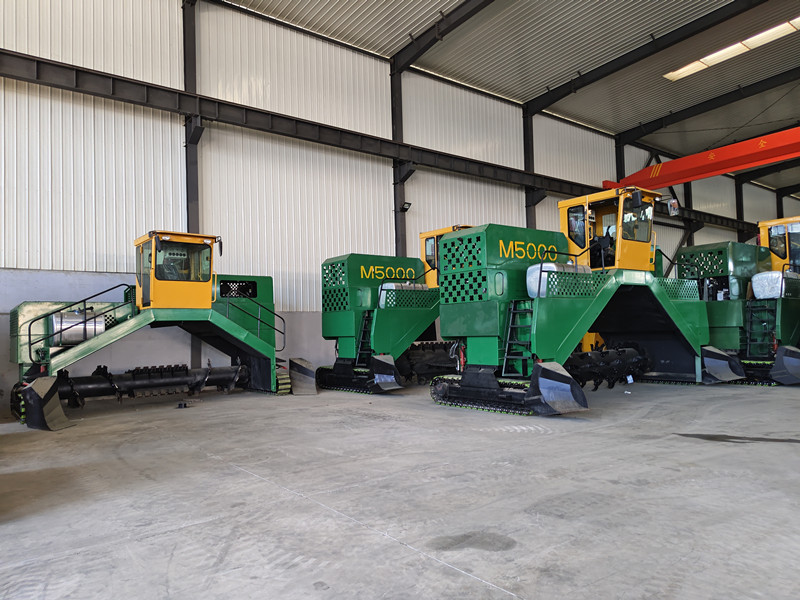
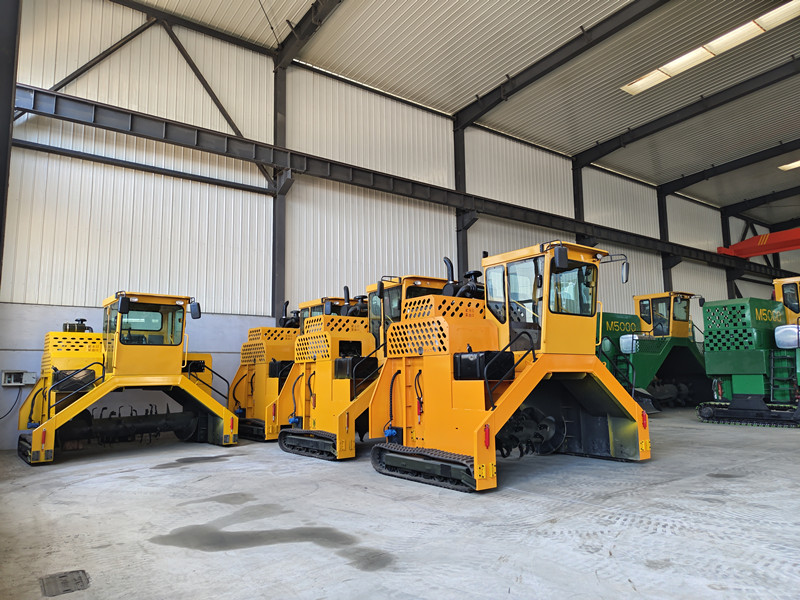
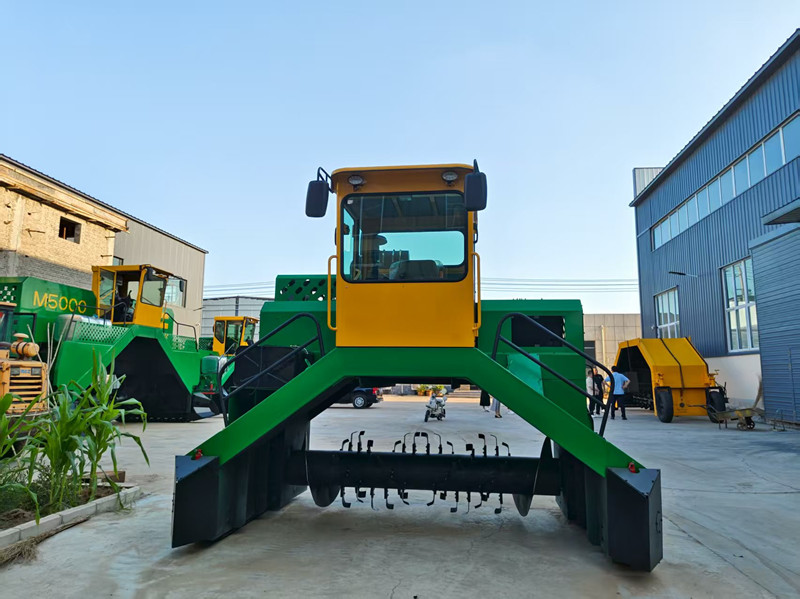
Adjusting the carbon-to-nitrogen (C: N) ratio is crucial in any composting process, including sludge composting. The C: N ratio influences the compost pile's microbial activity and decomposition rate. The ideal C: N ratio for composting falls between 25:1 to 30:1, although slightly different ratios can also be effective. Here's how you can adjust the C: N ratio when composting sludge: 1. Understanding C: N Ratio: Carbon-rich materials include "browns" such as straw, dry leaves, and shredded cardboard. Nitrogen-rich materials include "greens" such as kitchen scraps, fresh yard waste, and sewage sludge. The C: N ratio is calculated by dividing the mass of carbon by the mass of nitrogen in a given material. 2. Assess the C: N Ratio of Sludge: Determine the C: N ratio of the sludge you are using. Sewage sludge is generally nitrogen-rich, but the ratio may vary depending on the treatment process and the source. 3. Add Carbon-Rich Materials: If the C: N ratio of the sludge is too low (meaning it's too high in nitrogen), add carbon-rich materials to the compost pile. This helps balance the compost mixture. Suitable carbon sources include straw, shredded newspaper, sawdust, or dry leaves. 4. Mixing Ratios: Aim for a balanced mix of carbon and nitrogen-rich materials. A common guideline is to use about three parts carbon-rich materials to one part nitrogen-rich materials. Adjust the quantities based on the specific C: N ratio of the sludge and other materials used. 5. Monitor and Adjust: Regularly monitor the compost pile's temperature, moisture content, and overall composition. A well-balanced compost pile should heat up during the active composting phase. If the pile becomes too hot or cold, it may indicate an imbalance in the C: N ratio. Adjust by adding more carbon or nitrogen materials as needed. 6. Turn the Compost Pile: Turning or mixing the compost pile regularly promotes aeration and ensures that all materials are well distributed. This helps maintain an optimal environment for microbial activity and decomposition.
2024 01/02
-
The use status and prospects of small rice harvesters in Southeast Asia
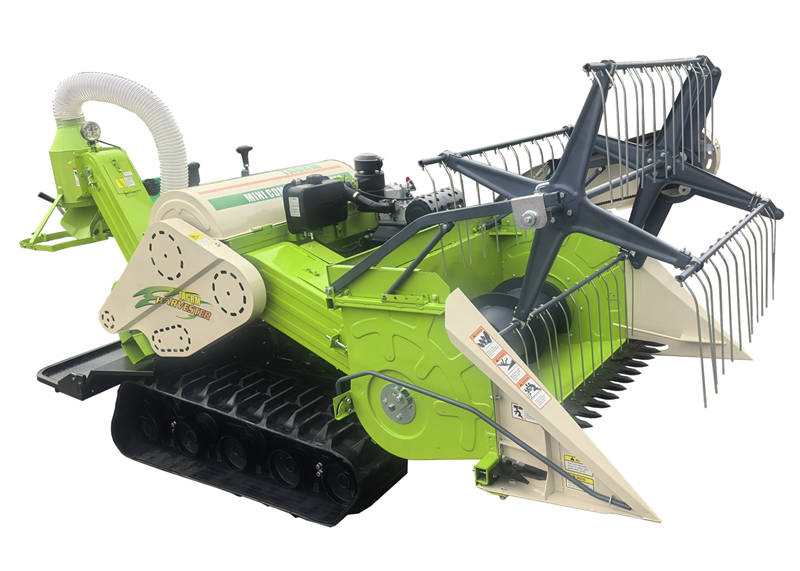
Since most of Southeast Asia has hilly and mountainous terrain, although large rice harvesters have high working efficiency, their passability in some remote mountainous areas is relatively poor. Farmers are not very accepting of them and even prefer to use hand tools for harvesting work. Now, with the emergence of small rice harvesters, this situation may change. Now let's discuss the current use status and challenges of small rice harvesters in Southeast Asia. 1. Country-Specific Adoption: Thailand: Known for its strong agricultural sector, Thailand has seen significant adoption of mechanized rice harvesting. The government has supported this transition through various initiatives, including subsidies for machinery. Vietnam: Mechanization in Vietnam's agriculture, including rice harvesting, has been on the rise. The government has implemented policies to encourage the use of modern machinery, aiming to improve efficiency and reduce post-harvest losses. Indonesia: The adoption of small rice harvesters in Indonesia varies across regions. In areas with large-scale rice cultivation, there has been a notable shift toward mechanization, while in more remote or traditional farming regions, manual methods may still be prevalent. 2. Technology Trends: Precision Farming: Some farmers in Southeast Asia are exploring precision farming techniques, incorporating technology to optimize the use of resources. This includes the use of GPS-guided rice harvesters for more precise and efficient harvesting. 3. Challenges and Solutions: Cost Constraints: The initial cost of small rice harvesters can be a barrier for small-scale farmers. Government subsidies and financing options are often crucial in overcoming this challenge. Terrain Challenges: In hilly areas, as in parts of Southeast Asia, specialized small rice harvesters with features like adjustable cutting heights and enhanced stability are essential. Innovations in design continue to address these challenges. 4. Socioeconomic Impact: The adoption of small rice harvesters can have positive socioeconomic impacts by reducing labor-intensive tasks, freeing up time for farmers to engage in other activities or diversify their crops. It may also contribute to rural development by creating opportunities for employment in the maintenance and operation of machinery. 5. Environmental Considerations: The environmental impact of mechanized farming is an important consideration. Efforts are being made to develop and promote sustainable and eco-friendly harvesting practices, including the use of energy-efficient machinery. 6. Future Outlook: The future of small rice harvesters in Southeast Asia is likely to involve further technological advancements, increased automation, and continued government support for mechanization initiatives. Continued research and development in agricultural technology will play a crucial role in addressing challenges and improving the efficiency of small rice harvesters.
2023 11/28
-
What is grain combine harvester's wind screening system?
A grain combine harvester's wind screening system is a crucial part that aids in separating the harvested grain from other substances including chaff, straw, dust, and debris. By ensuring that only the needed grain is gathered and stored and that undesired materials are rejected or diverted away from the grain storage tank, the system is intended to increase the efficiency of the harvesting process. Here's how a wind screening system generally works in a grain combine harvester: 1. Harvesting and Threshing: The crop is chopped and gathered as the combine harvester travels through the field. The grain kernels are separated from the remainder of the plant, including the chaff and straw, by the harvester's threshing mechanism. 2. Feeding and Separation: The system for cleaning and separating the combination of grain kernels, chaff, straw, and other materials is accessed. Typically, this system comprises of a fan, screens, and sieves. 3. Wind Screen/Fan: The wind screening system employs a fan or blower that generates a strong current of air. This airflow is directed over the mixture of materials, causing lighter materials like chaff, straw, and dust to be lifted and carried away by the wind. 4. Adjustable Settings: The fan speed and airflow strength are frequently adjustable on modern combine harvesters. This modification, which enables optimization depending on elements like crop kind, moisture content, and field conditions, may be crucial. The wind screening system may be adjusted by the operator to separate the grain from undesired items as effectively as possible. 5. Gravity Separation: The heavier grain kernels fall through the sieves or screens as a result of gravity after the wind has taken away the lighter materials. Because the holes in these screens come in different sizes, tiny trash can pass through while the grain is still retained. 6. Further Cleaning: In some cases, a secondary cleaning process may follow the initial wind screening. This could involve additional sieves or screens to further separate any remaining unwanted materials from the grain. 7. Collection: The cleaned grain is collected and conveyed to the grain storage tank or bin within the combine harvester. To guarantee that the harvested grain is of the highest quality and free from impurities, the wind screening system is essential. The technology helps to boost productivity and efficiency throughout the harvesting process by efficiently separating lighter materials using airflow. Remember that the manufacturer, the model of the combine harvester, and the type of crops being harvested can all affect the unique designs and features of wind screening systems.
2023 08/15
-
Agriculture: the Foundation of Industrial Development in the Third World
Agriculture's importance in the industrial development of the Third World cannot be emphasized. While advanced manufacturing and technological breakthroughs are sometimes connected with industrialization, it is critical to understand that agriculture is the fundamental foundation for economic growth and industrial progress in these countries. In this essay, we will look at why agriculture is such an important basis for industrial development in the developing world, taking into account the interdependence of the two sectors and the potential benefits of agricultural innovations. 1. Economic Contribution Agriculture contributes significantly to the economics of many third-world countries. It is a source of income for the majority of the population, particularly in rural areas. People can earn money and feed their families by growing crops and raising livestock. The proceeds from agricultural activities can then be reinvested in industrial expansion. This economic growth cycle begins with agriculture and serves as the foundation for eventual industrialization. 2. Supply of Raw Materials Agriculture provides a steady supply of raw materials to a variety of sectors. Agricultural inputs are used in many industries, including food processing, textiles, and pharmaceuticals. Building a healthy agricultural industry ensures a consistent supply of raw resources, decreasing reliance on costly imports. Furthermore, the abundance of raw materials available locally adds to reducing production costs, increasing the competitiveness of domestic firms. 3. Job Creation Agriculture is a labor-intensive industry with numerous job opportunities. In the third world, where unemployment is often high, the agriculture sector is a major source of employment. Governments may reduce unemployment and provide income-generating possibilities for the public by investing in agricultural development. More individuals working in agriculture contribute to greater consumer spending, which drives demand for industrial goods and services. 4. Technology Transfer The agricultural sector facilitates technology transfer and innovation. Agricultural advances, such as automation, irrigation systems, and crop development techniques, frequently pave the way for technological advancement in other sectors. Farmers become increasingly open to new technology and advances as they adopt modern farming methods. These technologies can then be customized and applied to industrial operations to boost productivity and efficiency. Agricultural developments can have a knock-on effect, aiding other industries and promoting overall industrial development. 5. Market Expansion A strong agriculture sector can help to expand domestic markets. Increased agricultural productivity results in excess food that may be marketed both domestically and abroad. Farmers' surplus revenue can be reinvested in other sectors of the economy, including industry. Furthermore, as rural incomes improve as a result of agricultural prosperity, the consumer base for industrial goods and services expands. This market expansion creates chances for industrial development as enterprises respond to rising demand by increasing production and broadening their offers. Finally, agriculture is the cornerstone of industrial growth in the developing nations. Its economic impact, role in raw material supply, potential for job creation, knowledge transfer, and market expansion are critical components for attaining long-term industrial success. Recognizing agricultural and industrial interdependence is critical for governments to prioritize agricultural growth and capitalize on its transformational potential for overall economic success. Nanning TAGRM Co.,ltd is dedicated to provide cassava, rice, sugarcane, and other producers with a comprehensive set of mature and cost-effective agricultural machinery solutions, as well as dependable technical support and after-sales service. Whether you have a large farm or a small family farm, we can assist you in increasing production efficiency and lowering running expenses.
2023 07/13
-
Some problems and solutions encountered in planting cassava
Cassava growers have encountered some problems during the cultivation process. Here are some of the main problems they face: 1. Soil preparation: Preparing the land for cassava cultivation can be labor-intensive and time-consuming. Vegetation, rocks, and other obstructions need to be removed from the land. Farmers may have difficulty tilling to create suitable seedbeds for planting in areas with hard or compacted soil. 2. Availability and quality of planting material: Obtaining high-quality planting material such as stem cuttings or propagation material can be a challenge. Cassava growers need access to disease-free and well-developed planting material to ensure healthy crop growth and optimal yields. However, limited availability and poor quality of planting material may hinder the success of cassava cultivation. 3. Pest management: Cassava is susceptible to various pests and diseases that can cause significant damage to the crop. Farmers need to implement effective pest management strategies to protect their plants. However, timely identification and management of pests and diseases can be challenging, especially for small farmers with limited access to information and resources. 4. Weed control: Weeds compete with cassava plants for resources such as nutrients, water, and sunlight. Controlling weeds is essential to ensure optimal cassava growth and yield. However, manual weeding can be labor-intensive, and in the absence of proper weed control measures, weeds can quickly outcompete cassava plants, reducing yields. 5. Moisture management: Cassava needs plenty of water during its growth phase, but moisture management can be a challenge. In areas with irregular rainfall patterns or limited irrigation channels, farmers can struggle to provide plants with enough water. On the other hand, waterlogged or poorly drained soil can lead to root rot and other diseases. 6. Soil Fertility and Nutrient Management: Maintaining soil fertility is critical for cassava production. However, cassava depletes the soil of nutrients, especially nitrogen and potassium. Farmers need to implement proper soil management practices, including organic matter incorporation and balanced fertilization, to ensure that cassava plants receive adequate nutrients. Limited access to fertilizers and a lack of knowledge about proper nutrient management can pose challenges for growers. 7. Post-harvest handling and storage: Cassava roots are extremely perishable after harvest and require proper handling and storage to minimize post-harvest losses. Farmers may experience difficulties in obtaining suitable storage facilities or implementing appropriate processing techniques. Improper post-harvest handling can lead to spoilage, reduced product quality, and financial loss for growers. In response to the above problems, farmers can improve the cassava planting process through the following measures: 1. Strengthen soil management: Prepare the soil and improve the soil before planting, and add organic fertilizer or compost to improve soil fertility and air permeability. 2. Choose the right variety and plant it reasonably densely: choose the right variety according to the local climate, soil, and market demand, and pay attention to the selection of less toxic varieties. And according to the characteristics of varieties and soil conditions, the planting density of cassava should be reasonably arranged. Too dense or too thin will affect the growth and yield of crops. Appropriate density can make full use of land and light resources and improve the yield and quality of cassava. 3. Pest control: For the control of pests, comprehensive measures should be taken, including selection of disease-resistant varieties, strengthening field management, and regular inspection of crops. At the same time, biological control, chemical control, and physical control can be used, such as the use of biological pesticides, yellow boards, insecticidal lamps, and other equipment for control. 4. Weed management: Weeds in cassava fields will compete with crops for nutrients and light, affecting crop growth and yield. Farmers can control the growth of weeds by weeding regularly, but also by using appropriate mulching measures such as covering the soil with straw or film to reduce the growth of weeds. 5. Irrigation management: cassava is a crop grown in the dry season, but excessive drought will also affect its growth and yield. Therefore, farmers can reasonably arrange irrigation time and water volume according to local climate conditions and soil moisture, and maintain suitable soil moisture to promote the growth and development of cassava. 6. Reasonable fertilization: Fertilization is an important measure to improve the yield and quality of cassava. According to the growth stage of cassava and soil fertility, farmers can reasonably choose the type and amount of fertilizer, and make a reasonable fertilization plan to ensure sufficient nutrient supply for crops. 7. Harvesting treatment: When harvesting, avoid damaging the skin and flesh of cassava, so as not to affect its quality. After harvesting, it should be processed in time, such as slicing, drying, storage, etc., to avoid deterioration and loss of cassava. In short, in the process of planting cassava, farmers need to pay attention to issues such as soil management, variety selection, planting technology, pest control, harvesting, and storage, and take corresponding measures to improve the yield and quality of cassava.
2023 06/30
-
Reasons for corn forage as a preferred feed
A lot of animals, especially dairy and beef cattle, are fed maize silage. Several factors make maize forage a well-liked and advantageous feed option: High nutritional value: Corn forage is very nutrient-dense and gives animals a balanced diet. It is a good source of vitamins, minerals, proteins, fiber, and energy. Corn grain, stalks, leaves, and cobs are all included in silage to create a comprehensive and well-rounded feed source. Corn forage is appealing to livestock, which encourages high intake and fosters effective feeding. Silage's taste and texture are improved by the moisture content, which makes it more palatable to animals. 1. High Carbohydrate Content: The high carbohydrate content obtained from maize grain makes corn silage an energy-dense diet. Animals can get a lot of energy from the starch in maize kernels. High-yield dairy cows who need a lot of energy to produce milk will especially benefit from this energy density. 2. Fermentation and Digestibility: Lactic acid is the main organic acid created during the fermentation process that creates corn silage from the sugars in the corn plants. The forage is preserved, made more easily digestible, and given a longer shelf life thanks to the fermentation process. Additionally, fermentation lowers pH, which fosters an environment in the animal's rumen that prevents the growth of dangerous bacteria and encourages the growth of helpful bacteria, supporting digestion. 3. Quality and adaptability of the forage: Corn silage is collected at a particular time of maturity, often when the corn plant achieves the ideal balance of grain development and vegetative growth. This enables the production of forage with a desired nutrient profile, giving livestock a balance of energy, protein, and fiber. Furthermore, because maize silage can be harvested and stored in great amounts, it provides a reliable and accessible feed supply all year round. Corn is a high-yielding crop, which means it yields a lot of biomass per unit of land, leading to the efficient use of both resources and land. Farmers can effectively employ their land resources to create a sizable volume of feed by using maize for silage. To reduce waste and maximize feed utilization, maize silage also enables farmers to utilize the entire maize plant, including the grain, stalks, leaves, and cobs. 4. Production of maize silage may have positive environmental effects: Corn plants' large root systems contribute to improved soil health and reduction of soil erosion. In comparison to other feed preservation techniques, the fermentation process of silage can also assist reduce greenhouse gas emissions. Overall, because of its high nutritional value, palatability, energy content, digestibility, and effective use of resources and land, maize forage is a useful feed alternative for animals. It gives animals a balanced diet and is especially advantageous for high-yielding dairy and beef cattle, helping their development, milk output, and general health.
2023 06/16
Loading ...
Total 201 News