Cassava growers have encountered some problems during the cultivation process. Here are some of the main problems they face:
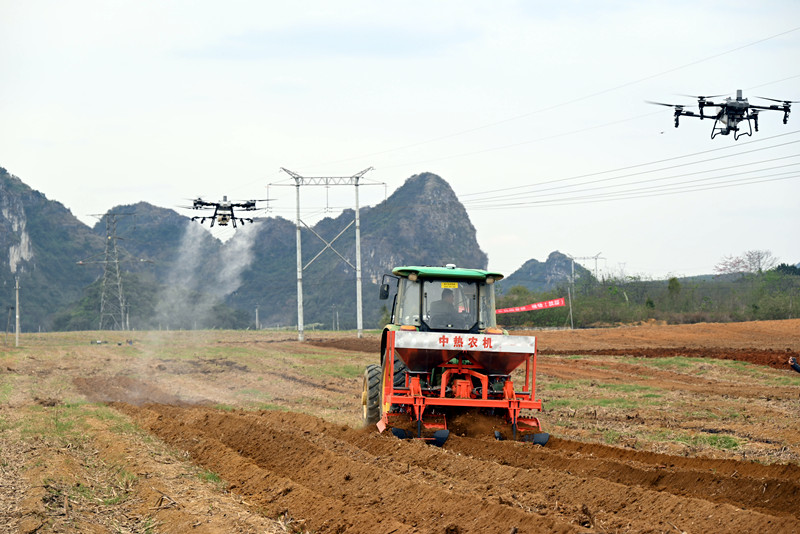
1. Soil preparation: Preparing the land for cassava cultivation can be labor-intensive and time-consuming. Vegetation, rocks, and other obstructions need to be removed from the land. Farmers may have difficulty tilling to create suitable seedbeds for planting in areas with hard or compacted soil.
2. Availability and quality of planting material: Obtaining high-quality planting material such as stem cuttings or propagation material can be a challenge. Cassava growers need access to disease-free and well-developed planting material to ensure healthy crop growth and optimal yields. However, limited availability and poor quality of planting material may hinder the success of cassava cultivation.
3. Pest management: Cassava is susceptible to various pests and diseases that can cause significant damage to the crop. Farmers need to implement effective pest management strategies to protect their plants. However, timely identification and management of pests and diseases can be challenging, especially for small farmers with limited access to information and resources.
4. Weed control: Weeds compete with cassava plants for resources such as nutrients, water, and sunlight. Controlling weeds is essential to ensure optimal cassava growth and yield. However, manual weeding can be labor-intensive, and in the absence of proper weed control measures, weeds can quickly outcompete cassava plants, reducing yields.
5. Moisture management: Cassava needs plenty of water during its growth phase, but moisture management can be a challenge. In areas with irregular rainfall patterns or limited irrigation channels, farmers can struggle to provide plants with enough water. On the other hand, waterlogged or poorly drained soil can lead to root rot and other diseases.
6. Soil Fertility and Nutrient Management: Maintaining soil fertility is critical for cassava production. However, cassava depletes the soil of nutrients, especially nitrogen and potassium. Farmers need to implement proper soil management practices, including organic matter incorporation and balanced fertilization, to ensure that cassava plants receive adequate nutrients. Limited access to fertilizers and a lack of knowledge about proper nutrient management can pose challenges for growers.
7. Post-harvest handling and storage: Cassava roots are extremely perishable after harvest and require proper handling and storage to minimize post-harvest losses. Farmers may experience difficulties in obtaining suitable storage facilities or implementing appropriate processing techniques. Improper post-harvest handling can lead to spoilage, reduced product quality, and financial loss for growers.
In response to the above problems, farmers can improve the cassava planting process through the following measures:
1. Strengthen soil management: Prepare the soil and improve the soil before planting, and add organic fertilizer or compost to improve soil fertility and air permeability.
2. Choose the right variety and plant it reasonably densely: choose the right variety according to the local climate, soil, and market demand, and pay attention to the selection of less toxic varieties. And according to the characteristics of varieties and soil conditions, the planting density of cassava should be reasonably arranged. Too dense or too thin will affect the growth and yield of crops. Appropriate density can make full use of land and light resources and improve the yield and quality of cassava.
3. Pest control: For the control of pests, comprehensive measures should be taken, including selection of disease-resistant varieties, strengthening field management, and regular inspection of crops. At the same time, biological control, chemical control, and physical control can be used, such as the use of biological pesticides, yellow boards, insecticidal lamps, and other equipment for control.
4. Weed management: Weeds in cassava fields will compete with crops for nutrients and light, affecting crop growth and yield. Farmers can control the growth of weeds by weeding regularly, but also by using appropriate mulching measures such as covering the soil with straw or film to reduce the growth of weeds.
5. Irrigation management: cassava is a crop grown in the dry season, but excessive drought will also affect its growth and yield. Therefore, farmers can reasonably arrange irrigation time and water volume according to local climate conditions and soil moisture, and maintain suitable soil moisture to promote the growth and development of cassava.
6. Reasonable fertilization: Fertilization is an important measure to improve the yield and quality of cassava. According to the growth stage of cassava and soil fertility, farmers can reasonably choose the type and amount of fertilizer, and make a reasonable fertilization plan to ensure sufficient nutrient supply for crops.
7. Harvesting treatment: When harvesting, avoid damaging the skin and flesh of cassava, so as not to affect its quality. After harvesting, it should be processed in time, such as slicing, drying, storage, etc., to avoid deterioration and loss of cassava.
In short, in the process of planting cassava, farmers need to pay attention to issues such as soil management, variety selection, planting technology, pest control, harvesting, and storage, and take corresponding measures to improve the yield and quality of cassava.