Land reclamation and preparation
Land reclamation and preparation are the basic links of sugarcane planting, which are directly related to the growth environment and yield of sugarcane. Mechanized cultivation plays a vital role in this stage.
First of all, choosing the right land is the key to the success of sugarcane planting. Sugarcane is suitable for planting on sandy loam or loam with deep soil, good drainage and sufficient sunlight. After selecting the land, a large tractor with a plow should be used for deep plowing. The deep plowing depth is generally required to be more than 50 cm to break the bottom layer of the soil and increase the air permeability and water retention of the soil. After deep plowing, it is also necessary to carry out rotary tillage harrowing to crush the soil, make the surface of the cultivated land flat, and the soil blocks are fine, which is conducive to the growth of sugarcane roots and the absorption of nutrients.
For sugarcane fields with uneven terrain, land leveling work is also required. This can be achieved by using a grader or bulldozer to organize the land into horizontal terraces or dig horizontal sugarcane trenches to reduce soil erosion and improve soil water retention. At the same time, according to the terrain and planting scale, a reasonable drainage system should be set up to ensure that rainwater can be discharged in time to avoid the impact of water accumulation on sugarcane growth.
Planting
The planting process of sugarcane also requires the support of mechanized operations. First of all, it is crucial to choose the right sugarcane variety. According to local climatic conditions and market demand, high-yield, high-sugar and strong stress-resistant varieties should be selected. In terms of seed stem preparation, sugarcane stems with no pests and diseases and full buds should be selected as seed stems. The length is generally between 20-30 cm, and each section contains 2-3 buds.
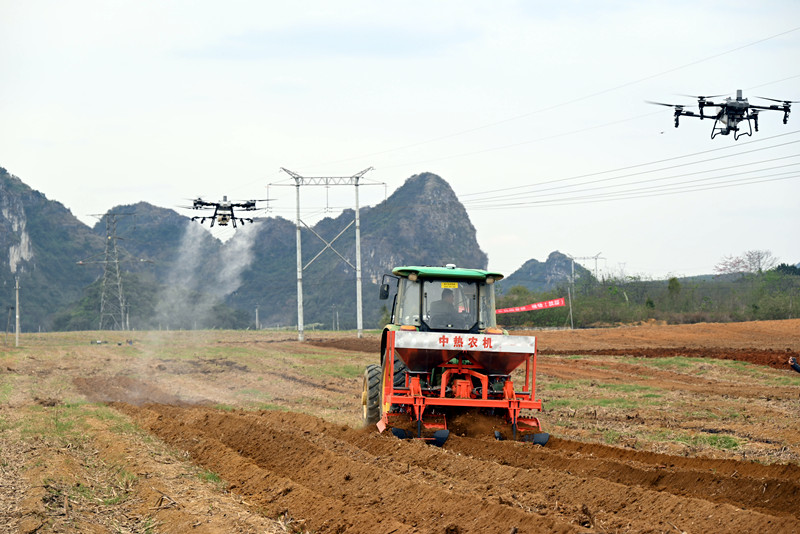
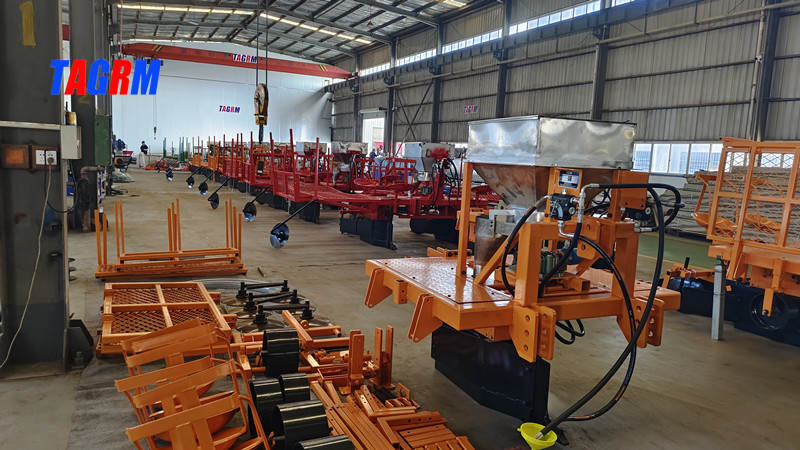
During the planting process, a sugarcane joint planting machine can be used for joint operations. This machine can complete the processes of trenching, fertilization, sowing, pesticide application, soil covering, and film covering at one time, greatly improving the planting efficiency. The depth of trenching is generally between 30-35 cm. The row spacing is determined according to the variety and planting pattern. The planting row spacing can be adjusted to 1.2, 1.3, 1.4, and 1.5 meters. The planting depth is controlled between 25-30 cm. Low-lying and flood-prone areas can be planted shallower. The seeding amount is generally 4000-5000 buds/mu. After planting, a sprayer is required to carry out pre-bud weed sealing operations to prevent weeds from competing with sugarcane for nutrients and water.
Field management
Field management is an indispensable part of the growth process of sugarcane. Through mechanized operations, efficient and accurate field management can be achieved to improve the yield and quality of sugarcane.
First of all, fertilization is an important part of field management. A reasonable fertilization plan should be formulated according to the growth of sugarcane and the fertility of the soil. The base fertilizer is mainly organic fertilizer, with an appropriate amount of chemical fertilizer. During the growth period, multiple topdressing is required, mainly nitrogen fertilizer, with an appropriate amount of phosphorus fertilizer and potassium fertilizer. When applying topdressing, you can use a fertilizer applicator for mechanized operations to ensure that fertilizers are evenly spread and improve fertilizer utilization.
Irrigation is also an important aspect of field management. In the dry season, irrigation operations should be carried out in time to ensure the normal growth of sugarcane. Water-saving irrigation technologies such as sprinkler irrigation or drip irrigation can be used, combined with soil moisture monitoring equipment, to achieve precise irrigation. At the same time, attention should be paid to drainage and waterlogging prevention to avoid long-term waterlogging and damage to the sugarcane root system.
Intertillage and weeding are also one of the important measures for field management. By using a soil-raising and fertilizer applicator for mechanized intertillage operations, the soil can be loosened, the growth of sugarcane roots can be promoted, and the competition of weeds for nutrients and water can be reduced. The depth of intertillage is generally between 10-15 cm, and weeding should be done early, small, and complete. Intertillage and weeding machines can be used for mechanized operations to improve weeding efficiency.
Pest and disease control is also an important aspect of field management. The prevention and control of pests and diseases should be strengthened to reduce the harm of pests and diseases to sugarcane. Plant protection drones can be used for pest control operations to improve the effectiveness and efficiency of control. At the same time, attention should also be paid to reasonable crop rotation and intercropping measures to improve the soil environment and enhance the stress resistance of sugarcane.
Harvest
The harvesting of sugarcane also requires the support of mechanized operations. Before harvesting, the growth of sugarcane should be evaluated to determine the best harvesting time. Generally speaking, the harvesting time of sugarcane should be between 10-12 months of the growth cycle, depending on the variety and growth environment.
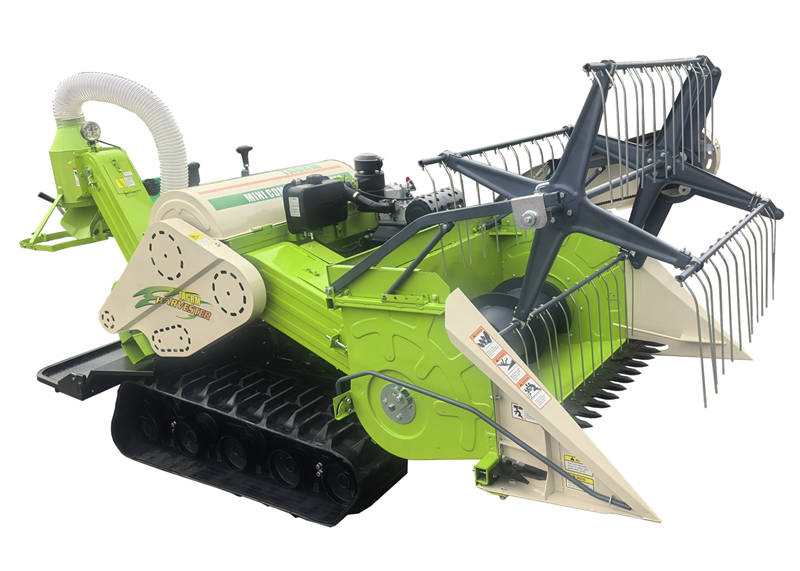
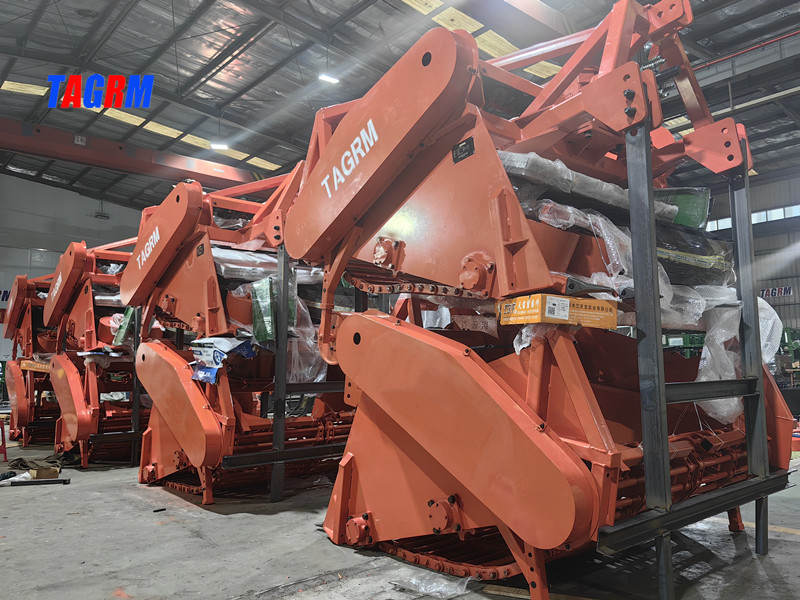
During harvesting, large and medium-sized segmented combine harvesters can be used for mechanized operations, or economical whole-root cutters can be used for harvesting, which greatly improves the harvesting efficiency. Harvesting should be carried out under rainless conditions to avoid rain affecting the quality of sugarcane. Harvesters, field transfer vehicles and other machinery should travel between sugarcane rows and should not cross the ridges to crush the sugarcane stumps. After harvesting, sugarcane should be brought into the factory for pressing in time to ensure the freshness and quality of sugarcane.
In summary, mechanized farming of sugarcane involves multiple links, including land reclamation and preparation, planting and field management, and harvesting. Through scientific planting techniques and meticulous field management, combined with the support of mechanized operations, the yield and quality of sugarcane can be significantly improved, bringing better economic benefits to farmers.