The correct application of fertilizers required for corn growth, soil surveys, and fertilizer formulations must be conducted to avoid major losses caused by improper fertilization or difficulties in meeting the needs of corn growth and the inability to achieve high corn yields.
1. Natural characteristics and demand characteristics of fertilizer application for high yield of corn
(1) Natural characteristics
Maize is a major food crop in China, with a large planting area, not only as a major food but also as animal feed. The characteristics and growth conditions of different maize varieties should be fully grasped. By increasing the density coefficient and leaf area coefficient, the growth of corn leaves can be promoted and the resistance of leaves to collapse can be enhanced.
(2) Demand characteristics
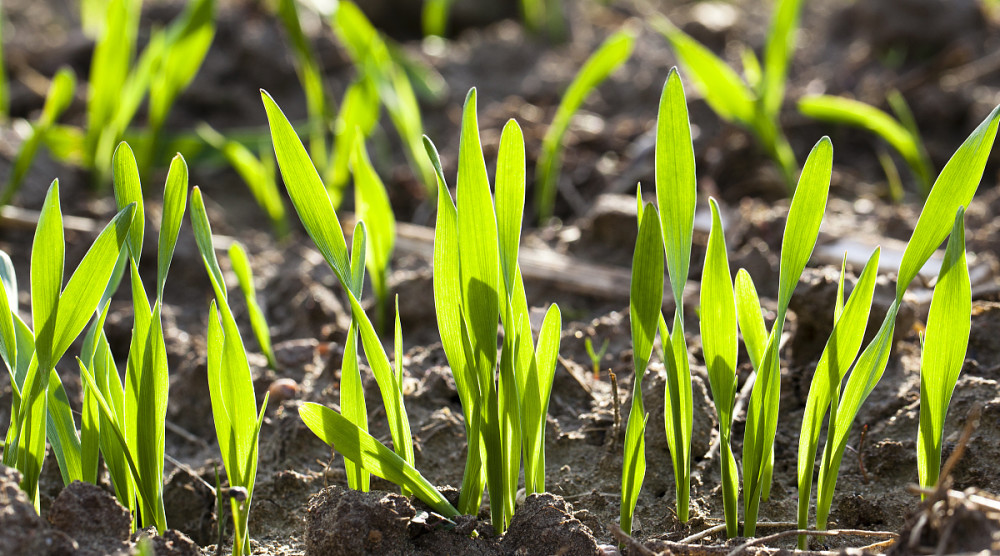
Maize seed-stage plants are small, the root system is immature, nutrient absorption capacity is weak, the nitrogen content is high, and fertilizer demand is small. As the seed grows, the internal nitrogen content gradually decreases. At this time, nitrogen demand gradually increases. Nitrogen uptake peaks when the maize seeds enter the harvesting stage. After entering the harvesting and flowering stages, maize reproduction and growing demand for nutrients increase significantly, and maize nutrient demand is characterized by: less during the seeding, flowering, and grain stages and more during the cob stage. In the maize seedling stage, the uptake of phosphorus by the seed kernels accounts for only 5% of the total phosphorus requirement, and phosphorus uptake during the flowering and grain stages decreases by 10% to 25% and 70% to 80%, respectively. Phosphorus is slow in the soil and is usually added to basic or seed fertilizers.2. Fertilization techniques for high-yielding corn key points
(1) Base fertilizer management
First of all, basal fertilizer management should be carried out to improve seed germination rate, improve the pre-growth condition of corn and ensure healthy growth of corn in the later stage. According to the actual fertility of the soil, fertilizer should be applied scientifically; secondly, fertilizer should also be scientifically proportioned to avoid a lack of nutrients for corn. Apply more organic fertilizers to reduce the number of chemical fertilizers and protect the environment.
(2) Light application of seedling fertilizer
Fertilizer is hardly needed in the seedling stage of corn. Lack of fertilizer will cause malnutrition, which directly affects the normal growth of roots and leaves, eventually causing seed thinning and yellowing. To ensure the healthy growth of seeds, it is necessary to adhere to the principle of fertilization in small amounts and many times.
(3) Scientific fertilization
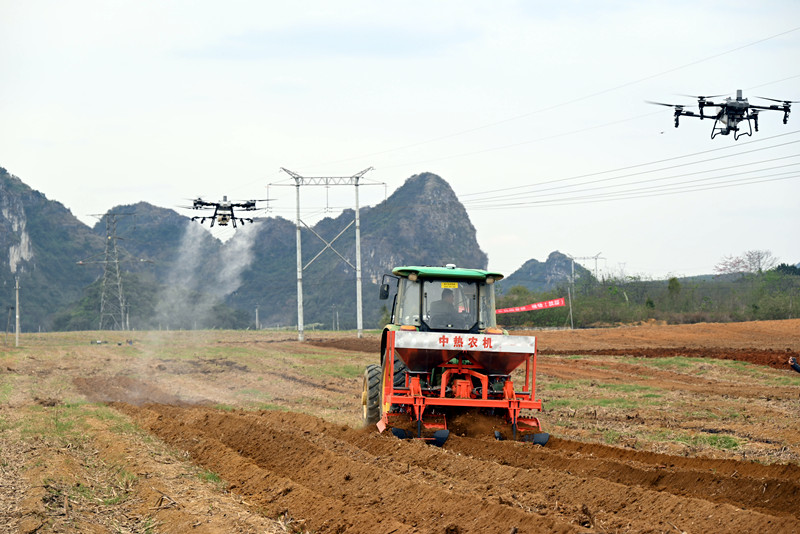
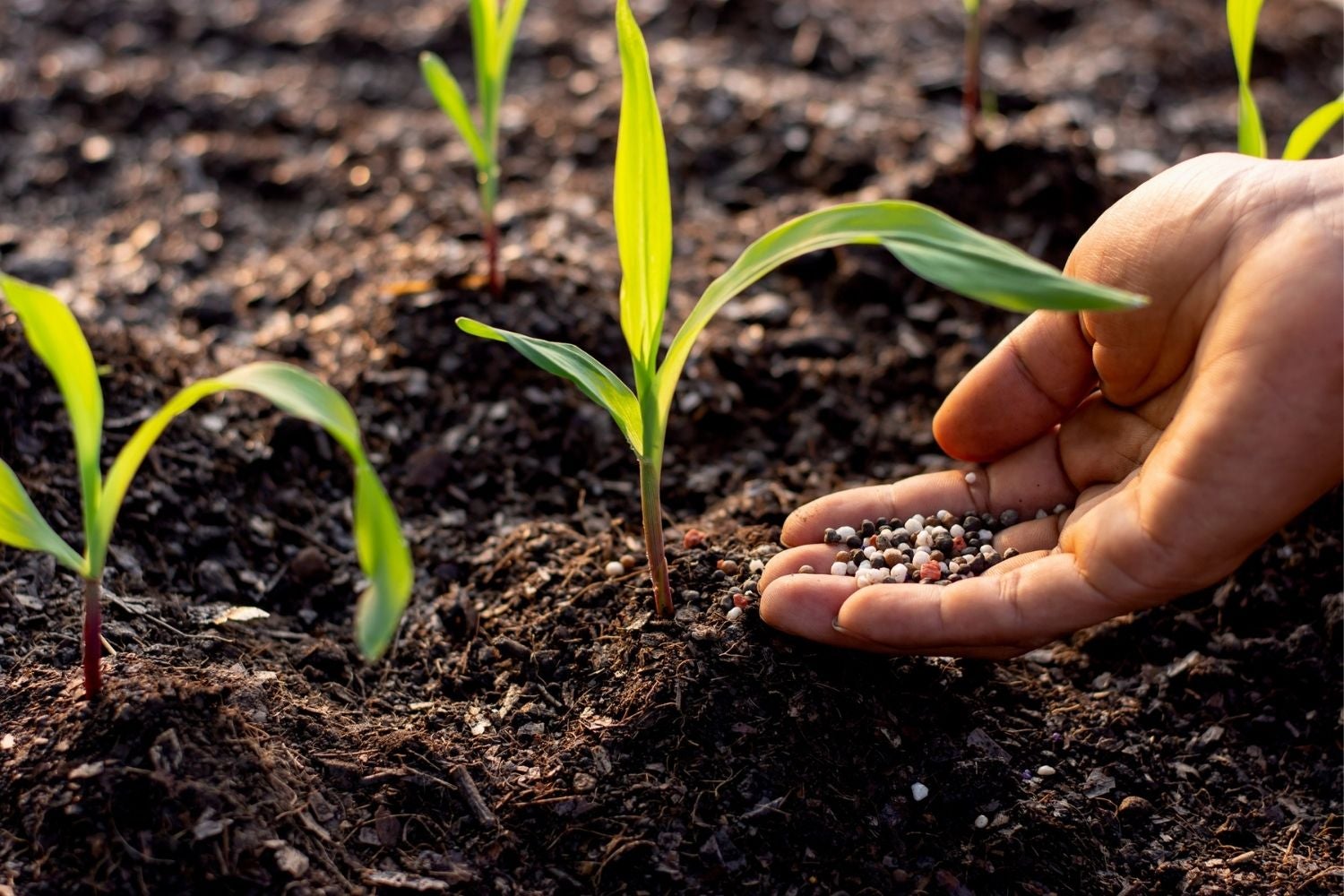
When treating the soil, basic fertilizer should be selected and applied to a depth of 15-20cm with 100% agricultural fertilizer, potash, zinc, and 2/3 phosphorus. The plant should be moved out of the corn joint 10 to 15cm and checked at a depth of about 6cm. In the furrowing period, growers should apply secondary fertilizer, and when using seed fertilizer, the gap between fertilizer and seed should be strictly controlled so that the distance between fertilizer and seed is not too close, keeping the distance between fertilizer and seed at 5 to 7cm; phosphate dihydrate can be used as seed fertilizer or special compound fertilizer.(4) scientific irrigation
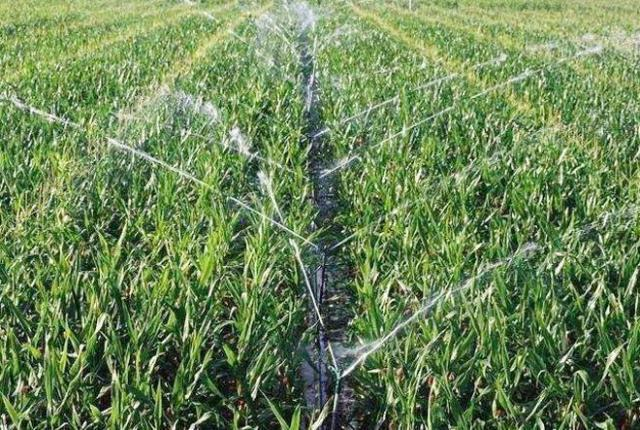
Maize germ sowing drought resistance, but poor flood tolerance, should be strictly controlled the number of sowing. After corn grows to the combining stage, the water demand of the whole plant increases. Mature corn growth requires more water, and a lack of water will directly affect later yields. Growers should adjust the irrigation system according to corn growth and the local environment to ensure scientific irrigation, use soil moisture meters to monitor soil moisture, and develop irrigation strategies based on specific moisture content.
(5) Apply stalk-strengthening fertilizer
To strengthen corn stalks, growers can increase the capacity of stem cells by applying nitrogen fertilizer. Fertilizer application not only strengthens corn stalks but also promotes male and female cob differentiation and growth. Attention should be paid to the amount of fertilizer applied, which should not exceed the standard fertilizer application; once excessive, it will lead to a decrease in the adaptive capacity of corn in the later stages of growth and seriously affect the final yield.(6) Use of micronutrients
Corn growth generally requires more nitrogen and micronutrients. Micronutrients can effectively promote corn growth and increase yield. Zinc fertilizer is generally applied at the seed stage. A solution of zinc sulfate at a concentration of 0.02% was used to soak the seeds to effectively improve seed germination. When corn plants sprout and grow vigorously, growers should supplement zinc appropriately and use foliar sprays, and treat seeds with a boric acid solution in addition to zinc sulfate solution.
(7) Apply base fertilizer
Base fertilizer is also known as basal fertilizer. Special attention should be paid to the following issues when using base fertilizer: When applying fertilizer, pay attention to the delayed application of nitrogen fertilizer and appropriate application of fast-acting fertilizer. Combine corn fertilization with cultivation in spring and autumn, using direct straw return as the base fertilizer; this method uses only loose soil for sowing and releases a small amount of fertilizer, which not only meets the basic needs of corn growth but also reduces the amount of chemical fertilizer, effectively avoiding soil hardening and extending the life of the fruit.