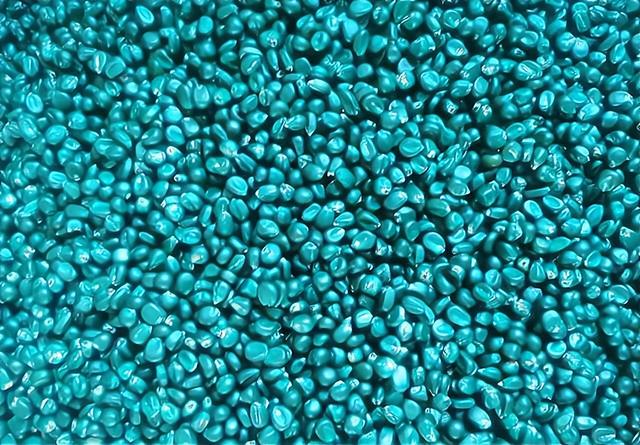
Corn seeds play a decisive role in the final yield. During corn planting, many farmers have some questions about seed selection. That is when planting corn chooses large or small grain goods.
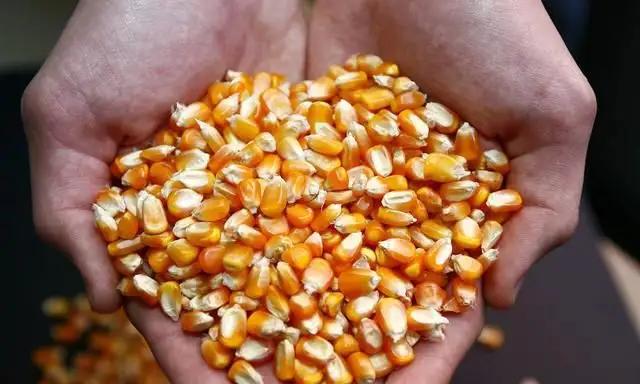
There are more varieties of corn on the market, different varieties of corn, different resistance, different accumulation temperatures, different number of grains, different manufacturers, etc. One of the most significant differences, that is, the size of the corn grain is different. Some varieties have relatively large kernels, while others are relatively small. Which is more productive?
After much inquiry and evidence, the following results have been obtained: if all other conditions remain the same, there is no effect on yield from the perspective of large and small kernels alone, not because large kernels have a high yield and small kernels have a low yield.
However, there are advantages and disadvantages to large and small kernels. If the kernels are small, the seedling emergence rate is relatively fast, and if the kernels are large, the emergence rate is relatively slow, with a difference of about 3 days, or 5 days if the soil is dry.
In terms of growth during the seedling stage, the larger seeds are relatively robust due to the nutrients they contain, while the smaller seeds, which contain fewer nutrients, are a little weaker. However, all corn is grown with a base fertilizer, and most of the nutrition for corn growth is still dependent on external factors. So, as the corn gradually enters its mid to late season, the difference will not be noticeable.
However, it is important to note that the yield of corn is influenced by several factors, and it is often said in agriculture that "three parts planting, seven parts management", with good management has a greater impact on yield.
From a practical point of view, have you ever seen any manufacturer claim that the focus is on the size of the corn kernels? If some manufacturers say that their corn kernels are larger, planting down the yield is high, or that corn kernels are small, planting down the yield is high, rely on this angle of publicity, farmers do not have to buy, seed authenticity is in doubt.
In addition, the sales staff of the dealers will market the corn kernels with a strong resistance to pests and diseases as a selling point, a strong resistance to drought as a selling point, or resistance to collapse, etc., and rarely with seeds with large or small grains as a selling point.
Therefore, from a manufacturer's or distributor's point of view, the size of the kernel has little impact on yield. If large kernels produce high yields, then manufacturers will only produce varieties with large kernels, and dealers will only sell varieties with large kernels. However, the reality is that manufacturers produce both large and small grains, and dealers sell both large and small grains.
As a grower, if you don't consider the problem of large and small grains, from what aspects should you choose your seeds?
1. Check the variety of documents that are complete, this is the most basic way to judge, if corn bags are on, such as the validation number, but also to check the dealer's seed business license, etc...
2. Choose from the resistance. Common corn seed resistance is pest and disease resistance, resistance to collapse, cold resistance, drought resistance, and so on, according to the local sowing time and the planting experience in previous years, choose the right resistant varieties. For example, if the area has had more pests and diseases in previous years, then choose a variety that is more resistant to pests and diseases. If the area is windy in the mid to late season and corn is prone to falling over, then choose a variety that is more resistant to falling over.
3. Select seeds according to the local cumulative temperature. Choosing the right variety according to the specific local standing temperature is a very important key point. The cumulative temperature refers to the sum of the average daily temperatures during a period when the average daily temperature is ≥10°C. The cumulative temperature varies from variety to variety. If an area is a high cumulus area but planted with a low cumulus variety, it will be prone to early failure; conversely, if an area is a low cumulus area but planted with a high cumulus variety, it will be prone to greed and late maturity. Both will result in reduced yields.
4. It is advisable to plant varieties that are already well-established locally. If you don't know how to choose, buy varieties that have been grown locally for many years and have been recognized by everyone for their yields, which are not the highest but not low either.
In summary, in the purchase of corn varieties be careful, you need to refer to several factors, corn yield, and the large grain and small grain have little to do with it, in addition to choosing the right seed, late management is more important. If you don't know how to choose seeds, consider planting varieties that have been grown by local villagers and have produced good yields. If you have grown a particular variety in previous years and the yield was good, then you can continue to grow that variety.