Cassava is one of the main raw materials for the industrial production of starch and one of the main food sources for humans. With the increasing market demand for cassava, the planting area of cassava is now increasing, but some novice growers do not know how to manage it. Therefore, learning and mastering the management methods of cassava in different growth stages is an important guarantee for increasing cassava yield.
1. Management at the seedling stage
It is very fragile. Generally, the most suitable temperature for cassava to germinate and emerge is about 20 degrees Celsius, and it can germinate and emerge normally in about a week at this temperature. Two months after emergence is the period when the root system of forest trees grows the most vigorously, but at this time the growth ability of the plants will slowly decline. Most of the nutrients needed for seedling growth are provided by the stored nutrients of the stem, and the growth of the root system also requires certain nutrients. Therefore, it is necessary to control the temperature and increase the supply of fertilizers at the seedling stage, which can promote the rapid growth and development of seedlings and provide sufficient nutrients.
2. Management of the root tuber formation stage
It is generally about 2 to 3 months after planting. At this time, it is also the period of the most vigorous growth and development, and the tuber output is also greatly increased. Generally, in about three months, the root growth of cassava is formed. Generally, each plant will have about 7 tuberous roots, and the growth rate of stems and leaves is also very fast, and some branches will begin to appear at the top. The formation of tubers is closely related to soil fertility and the surrounding environment. If the soil is compacted, it will also affect the quantity and quality of tubers. Generally, the soil is fertile, loose, and deep, and the humidity is normal, which is very conducive to the formation of tubers.
3. Management of the root tuber expansion stage
It is also the most important period of cassava growth and development. At this time, cassava stems and leaves have a strong growth ability, the number of new leaves is also large, and the demand for nutrients is also greatly increased. During this period, the nutritional needs of the expansion period must be met. If nutritional needs are not met, it can have a big impact on quality. After the expansion period, the old leaves will gradually fall off automatically, and then the expansion of the tubers is gradually completed. Generally, after the leaves fall off, the expansion period of the tubers will end.
4. Management of the mature stage
Generally, the maturity of cassava is about ten months. After scientific planting management in the early stage, the root tubers have fully expanded and matured. When the plant matures, it stops growing and develops leaves. The growth of the tubers will gradually end, and the water will slowly evaporate, so we must do a good job in harvesting to prevent the tubers from losing a lot of water due to the long growth time, which will affect the quality and yield. Care must be taken when harvesting, otherwise, violent harvesting will cause mechanical wounds to the tubers and cannot be stored.
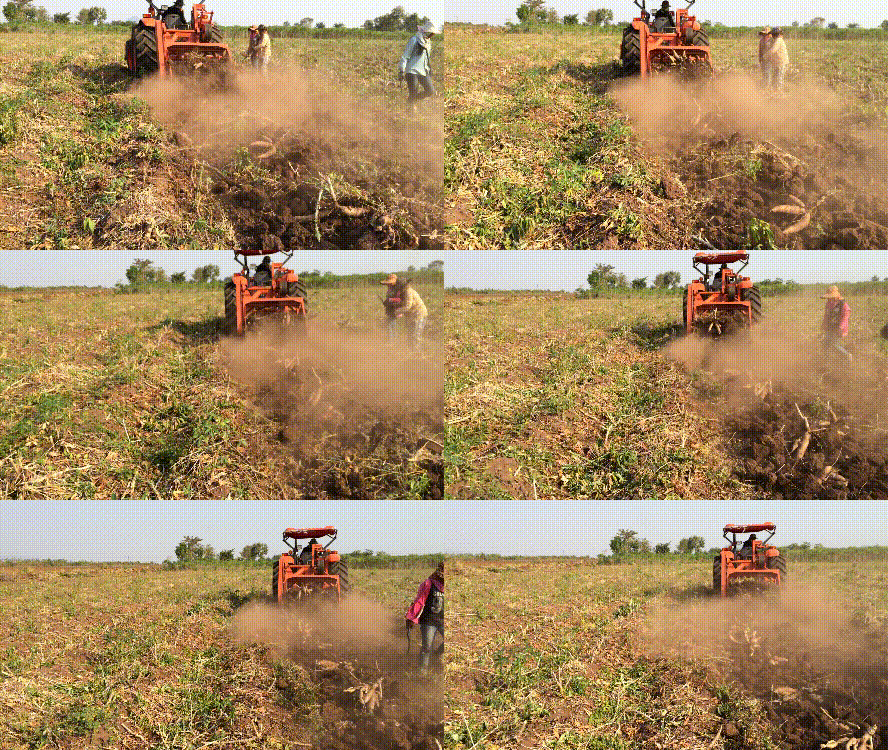
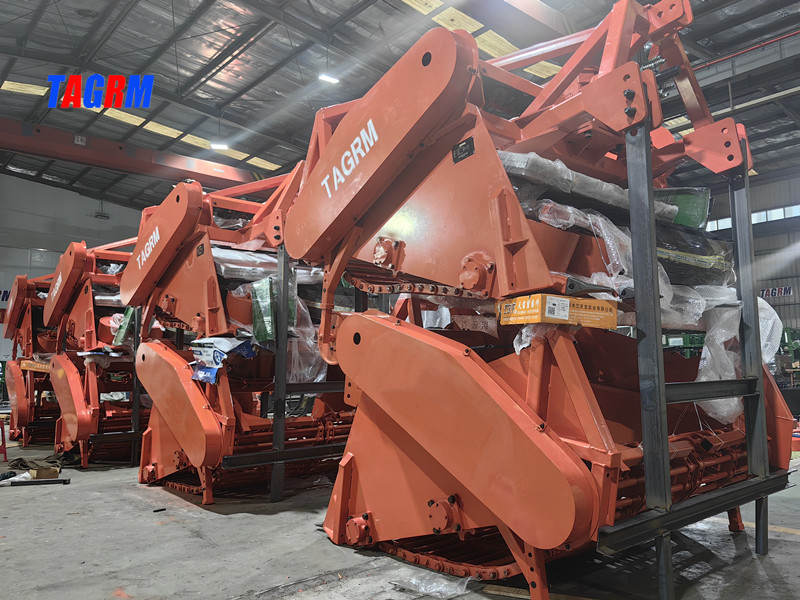
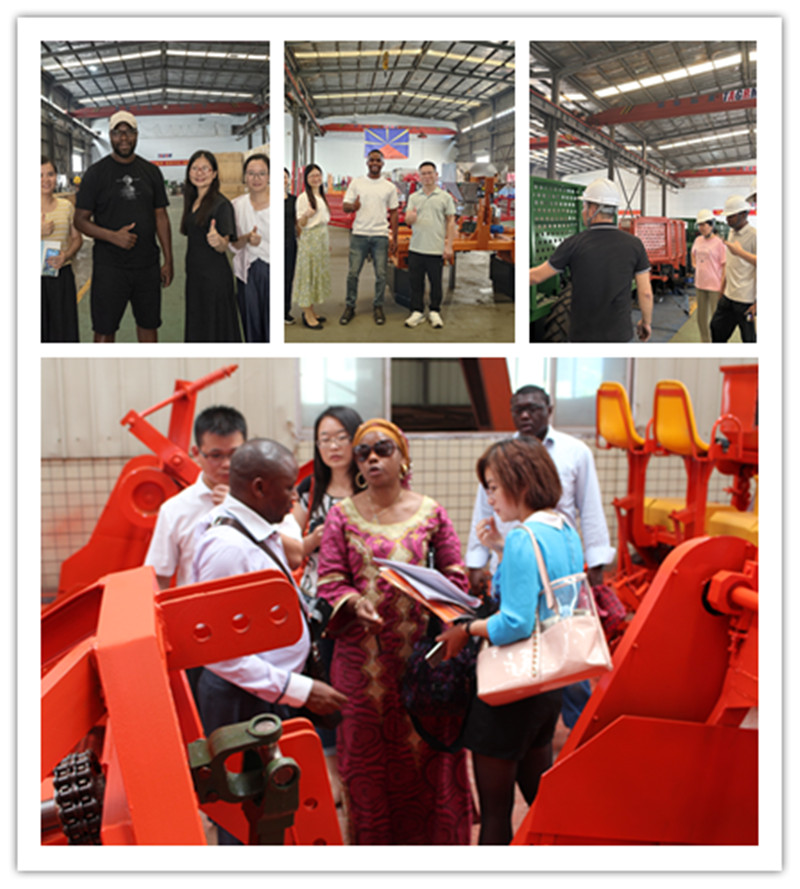
TAGRM's Cassava Harvester can harvest two rows of cassava. This cassava digger needs to be connected to a standard tractor with dual power take-offs, easy to operate, and the drive chain belt can separate the soil and bring the cassava out to the ground, digging the cassava as much as possible without damage--it can greatly improve the efficiency of harvesting cassava and reduce labor costs.