1. The best time for rice harvesting
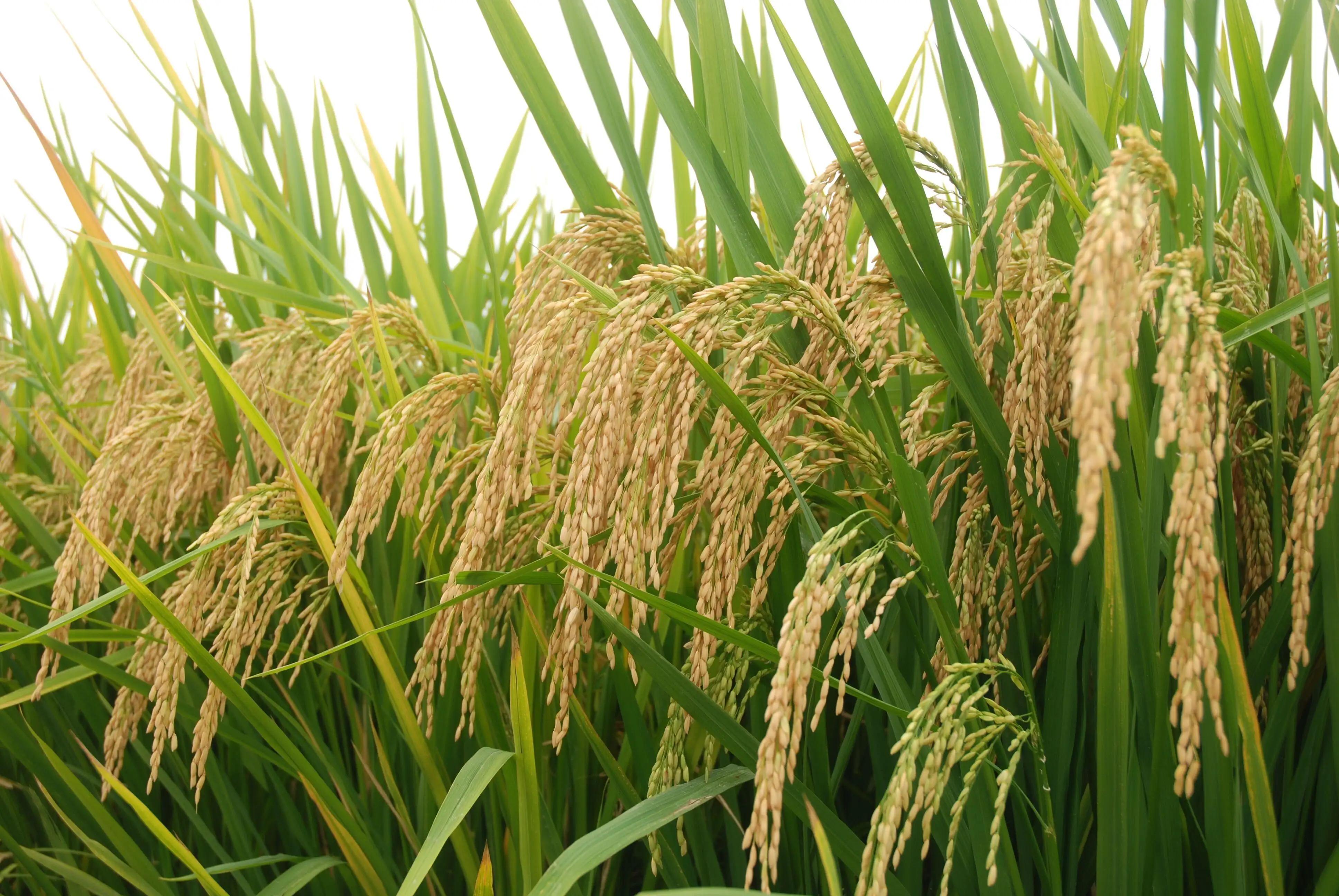
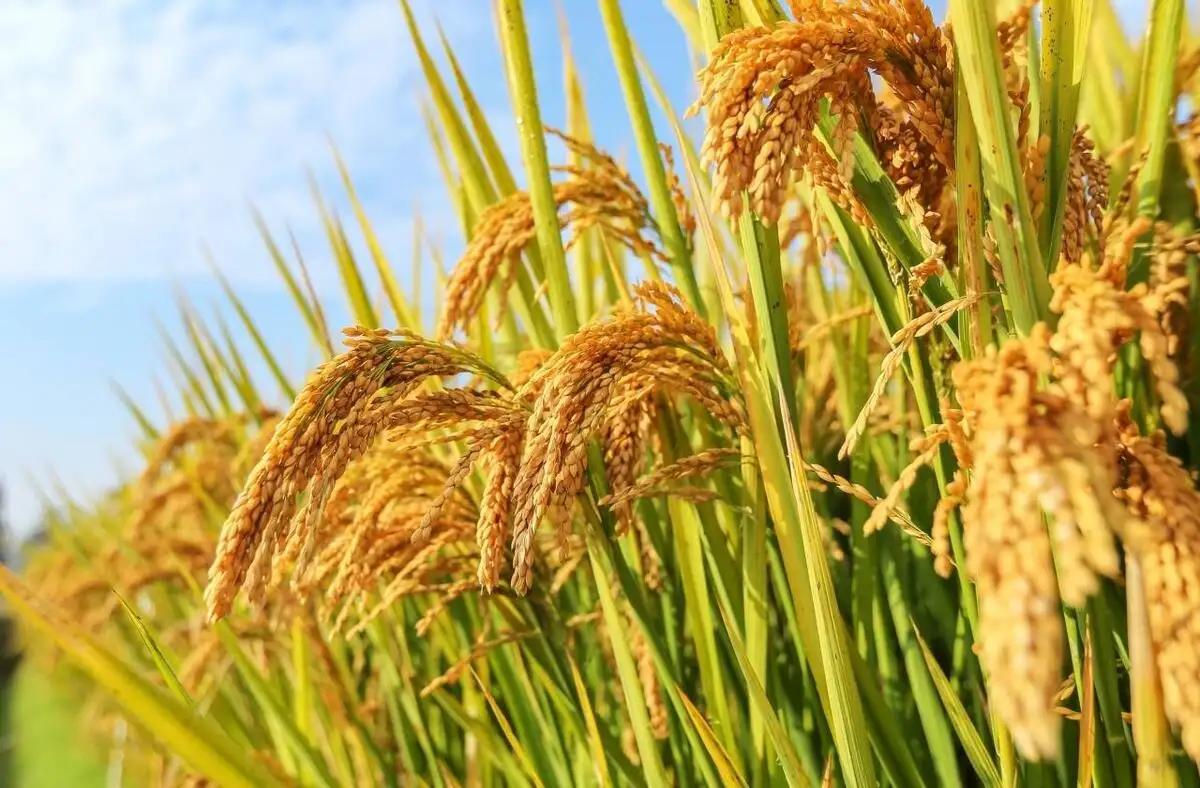
The moisture content of rice is 20-25% from the end of waxing to the beginning of maturity. At this time, most of the leaves of the rice plant change from green to yellow, the rice spike loses its green color, the middle of the spike becomes yellow, the rice grain is full, the seeds are hard, and they turn yellow, and it should be harvested.
2. Judgment basis
(1) Observe the color of the rice plant. When the majority of the rice plant in the field changes color from green to yellow, this is the first judgment point.(2) Observe the color of the rice spike, which also changes from green to yellow, starting from the middle first, and slowly the whole rice spike will turn yellow.
(3) Observe the rice seeds, take a look at their color, the seeds turn yellow, secondly, feel their hardness, the hard ones are mature, and thirdly, look at their fullness.
After the above 3 points, all of which are accounted for, the time of harvest is reached, and I believe many growers, can judge correctly.
The moisture content of harvested paddy is often high, to prevent heat and mildew and to produce aflatoxin. The paddy should be promptly spread out on the sunbed or concrete floor to dry for 2-4 days to bring its moisture content to 14%, and then put into storage.
3. Grain storage methods
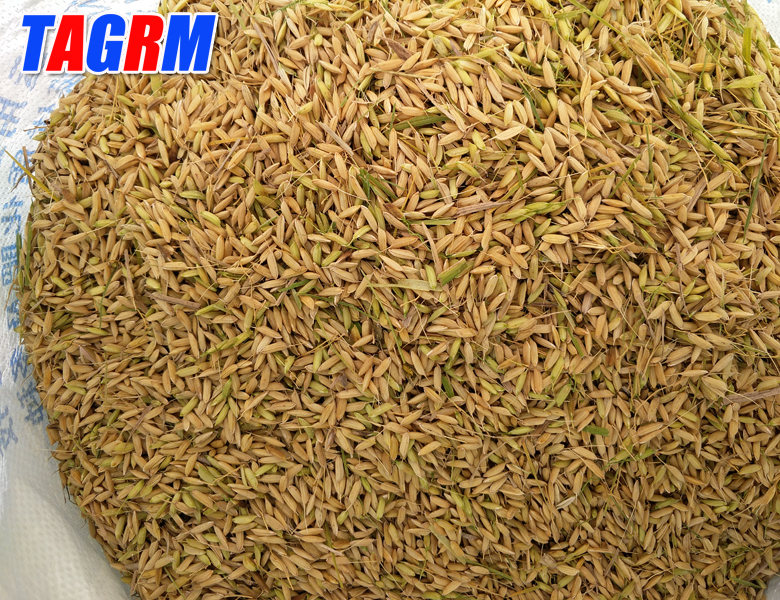
(1) Dry storage. In dry, ventilated, low temperatures, the grain can be preserved for a long time without deterioration(2) airtight storage. Storage appliances and grain will be dried so that the dry grain in the case of isolation from external environmental conditions for preservation.
4. Rice harvesting at the right time
(1) Rice can be harvested when the yellowing completeness rate reaches 95% or more. Farmers with large planting areas must wait for the harvest after the next dry frost.(2) For this year's climate, the occurrence of large areas of rice collapse, must be harvested early collapsed rice, to prevent rain caused by mold, sprouting, and increased losses. If the fallen rice is in the ground for one more day, the loss is likely to increase.
(3) Climatic criteria for the rice harvesting period: The average daily temperature is stable below 13°C, preferably after a dry frost. Harvesting too early can cause problems for storage.
(4) Harvesting methods of rice:
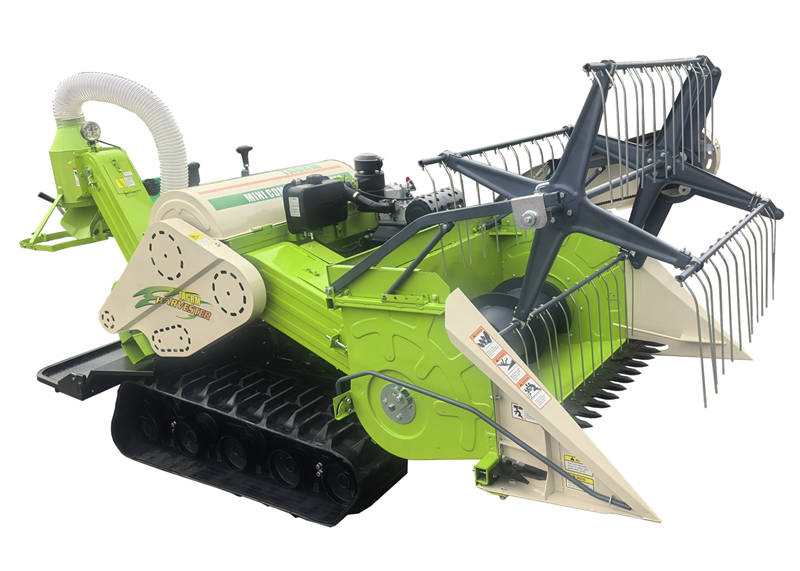
① Segmented harvesting: not suitable for inverted rice harvesting. ②Manual harvesting: Suitable for inverted rice harvesting. After harvesting, when the moisture of rice is reduced to 16%, yard into small pallets to prevent dry and wet alternation, which will increase cracked rice and reduce the rice yield. ③ Direct harvesting: When the moisture drops to below 16% in due time for mechanical harvesting of large areas.
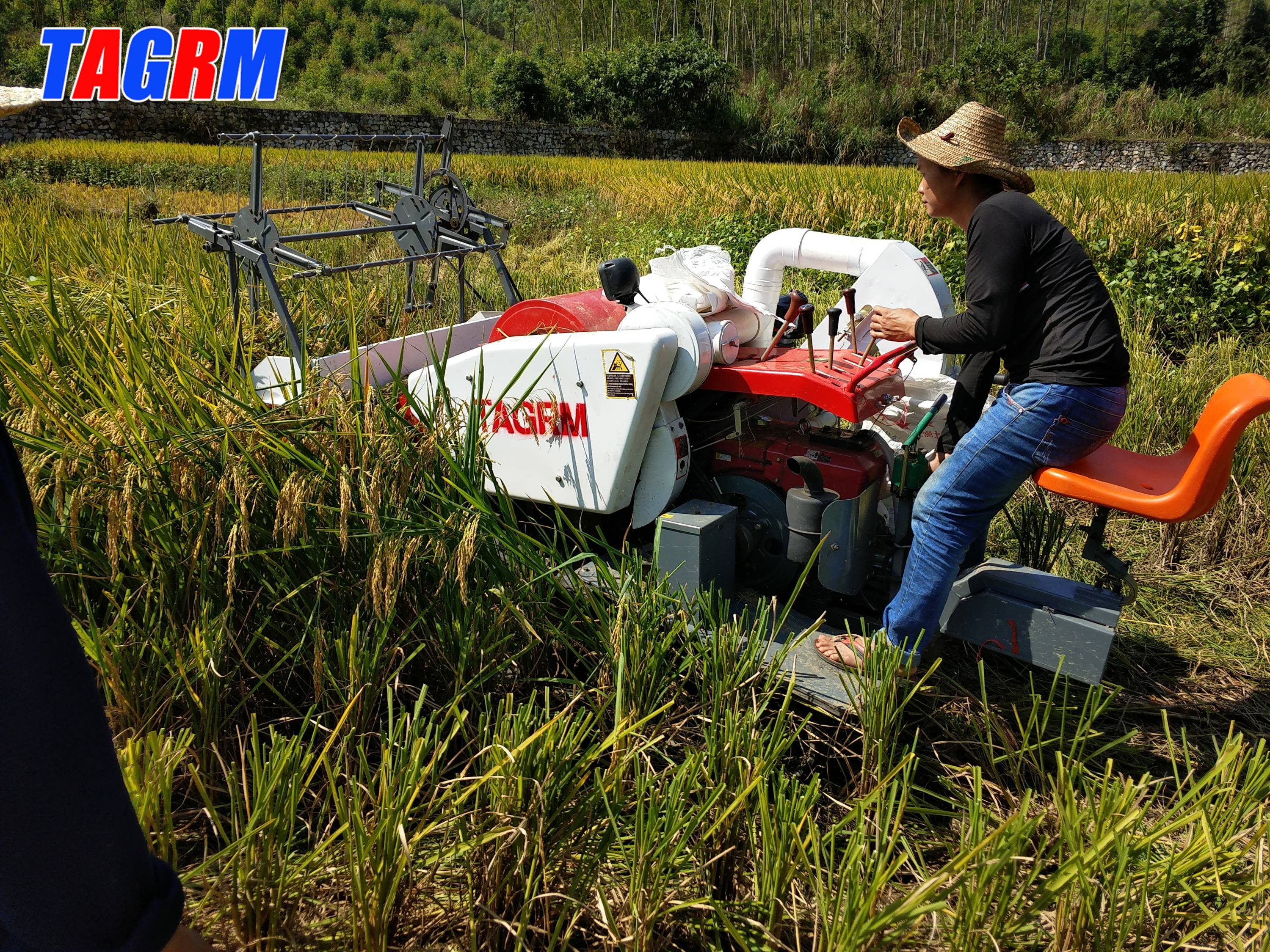
(5) Rice harvesting precautions early harvesting (need to meet harvesting standards), drying, and reducing losses where available.
5. Precautions1. Do not store the harvested rice in large piles to prevent it from becoming moldy due to its heat.
2. Be sure to pay attention to personal safety when harvesting by machinery.