Sugar cane is a temperate and tropical crop that is used as a raw material for the manufacture of sugar and as an energy substitute for ethanol. Its rhizomes are strong and well-developed, and its culms are 3-6 meters high. Sugar cane is suitable for planting infertile soils, in full sun, and areas with a wide temperature difference between winter and summer. Did you know? Sugar cane not only cleanses the body from heat but also nourishes and moisturizes. What are the other nutritional values of sugar cane, what are its medicinal values, and which groups of people are not suitable for eating sugar cane?
1. Fruit cane and sugar cane
(1) Fruit cane is sugar cane for fresh consumption, which has the characteristics of easy to tear, less fiber, moderate sugar, brittle stems, juicy and tasty, good taste, thick stems, long nodes, and beautiful stem shapes.
(2) Sugar cane has a high sugar content and is used as a raw material for sugar production and is not generally used for fresh food in the market. Because of its hard skin and coarse fibers, it has a poor taste and is only occasionally eaten fresh in production areas.
(3) The best cane varieties are sweet, tasty, loose, and brittle, with a sweet and juicy taste, without any salty or sour odor; thin skin and brittle stems, without a sheepish or hollow heart; and when bitten into, they are not overly knotted, and the slag is chewed into a mass and not easily broken up. In appearance, the stems are thick, straight, even, and clear, with bright colors, long and flat internodes, less wax powder, no growth cracks, no cork cracks, no aerial roots, and no insect holes or spots.
2. Nutritional value
(1) The cane stems are crisp, juicy, sweet, tasty, and suitable for consumption as fruit. Cane has high sugar content, high water content, low fiber content, short and tough fibers, thin skin, and brittle stems. It has the effect of moistening and quenching thirst, cooling, and detoxifying.
(2) Yellow-skinned cane is also rich in 18 kinds of amino acids and has the effect of quenching thirst, clearing heat and detoxifying the body, moistening the lungs and relieving coughs, and strengthening the stomach.
(3) Sugar cane is sweet in taste, cold in nature, and belongs to the lung and stomach meridians; it is effective in clearing heat and detoxifying the body, quenching thirst, harmonizing the stomach, and stopping vomiting, nourishing the yin and moistening dryness, etc. It is mainly used for treating dry mouth and tongue, deficiency of fluids, unhealthy urination, dry stools, indigestion, regurgitation and vomiting, eructation, high fever, irritable thirst, etc.
(4) yellow-skinned fruit cane has the advantages of thin skin, full juice, sweetness, floral fragrance, and good taste, and is one of the popular winter fruits. It is sweet and cool and has the effect of clearing heat, relieving lung heat and gastrointestinal fever in people with lung-heat coughs, phlegm, and thick and thick yellow phlegm. Its sugar content is very rich, about 18 - 20%. The sugar content of yellow-skinned fruit cane is composed of sucrose, fructose, and glucose, which can be easily absorbed and utilized by the body. It also contains a large amount of iron, calcium, phosphorus, manganese, zinc, and other essential trace elements, of which the iron content is particularly high, at 9mg per kg, ranking first among fruits, so the fruiting cane is known as "blood tonic fruit".
(5) Modern medical research shows that sugar cane is rich in sugar and water, and also contains various vitamins, fats, proteins, organic acids, calcium, iron, and other substances that are very beneficial to human metabolism. Sugar cane not only adds sweetness to food but also provides the body with the nutrients and calories it needs. It contains protein, fat, sugar, calcium, phosphorus, iron, aspartic acid, aspartic acid, glutamic acid, serine, alanine, valine, leucine, ortho-alanine, lysine, hydroxybutyrate, glutamine, proline, tyrosine, cysteine, phenylalanine, gamma-aminobutyric acid and other amino acids, organic acids such as ferredoxin, succinic acid, glycolic acid, malic acid, citric acid, oxalic acid, and vitamins B1, B2, B6, and C. The bagasse contains polysaccharides that have an inhibitory effect on Ehrlich carcinoma and sarcoma 180 in mice.
3. Medicinal value
Medicinal properties
(1) Sugar cane is sweet, astringent, mild in nature, and non-toxic.
(2) It is used for lowering qi and harmonizing the middle of the body, helping the spleen, benefiting the large intestine, eliminating phlegm and relieving thirst, eliminating heart and chest fever, and relieving alcohol poisoning; it can also treat vomiting and regurgitation and broaden the chest and diaphragm. If eaten with wine, sugar cane produces phlegm; if eaten in excess, it generates false fever and causes nosebleeds. It is also used to cure children with white baldness or head sores, which can be cured by frequent application. Note that the smoke from burning should not enter the human eyes, as it can cause loss of vision.
(3) To cure regurgitation: use seven liters of sugar cane juice and one liter of ginger juice, mix well and swallow carefully day after day.
(4) To treat children's mouth ulcers: burn and grind sugar cane peel and rub it on the affected area.
4. Therapeutic effects
Sugar cane is sweet in taste and cold in nature, and belongs to the lung and stomach meridians; it is effective in clearing heat and detoxifying the body, generating fluid to quench thirst, harmonizing the stomach, and stopping vomiting, nourishing Yin and moistening dryness, etc. It is mainly used for treating dry mouth and tongue, deficiency of fluid, unhealthy urination, dry stools, indigestion, regurgitation and vomiting, erratic rebellion, high fever, irritable thirst, etc.
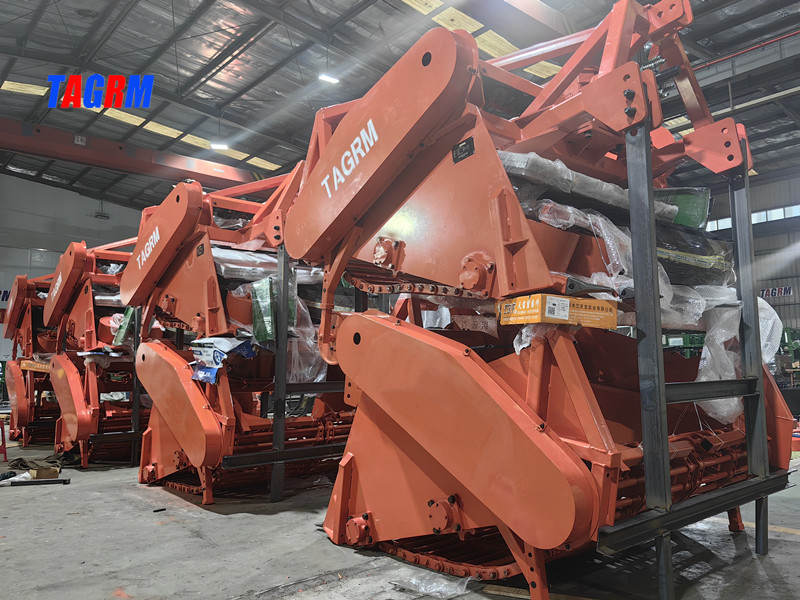
TAGRM sugar cane juice extractor