(1) Optimal selection of sugarcane varieties
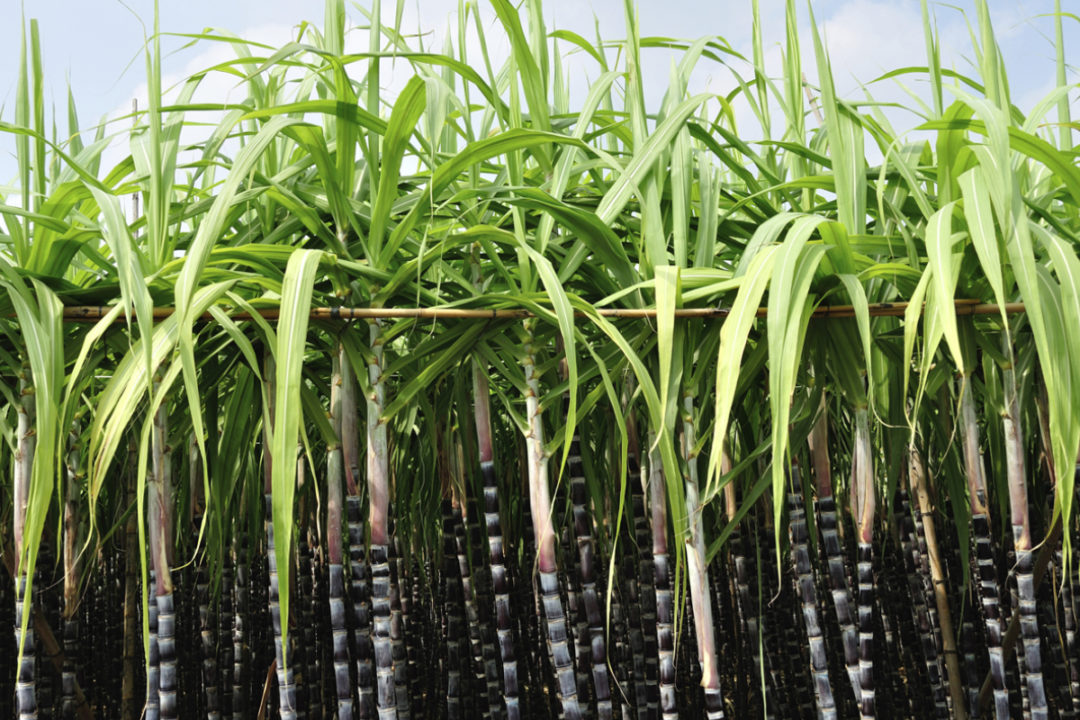
To apply high-yield cultivation techniques to sugarcane cultivation, it is necessary to select good seeds according to the regional conditions. Different varieties have different holding properties. When selecting sugarcane varieties, growers must consider the local climate, production conditions, soil conditions, etc. to ensure that the sugarcane varieties have strong adaptability and achieve high yields and high sugar. Besides, the season of sugarcane cultivation is also very critical and largely affects the sugarcane yield. The selection of planting season depends on the regional climate.
(2) Land preparation and planting
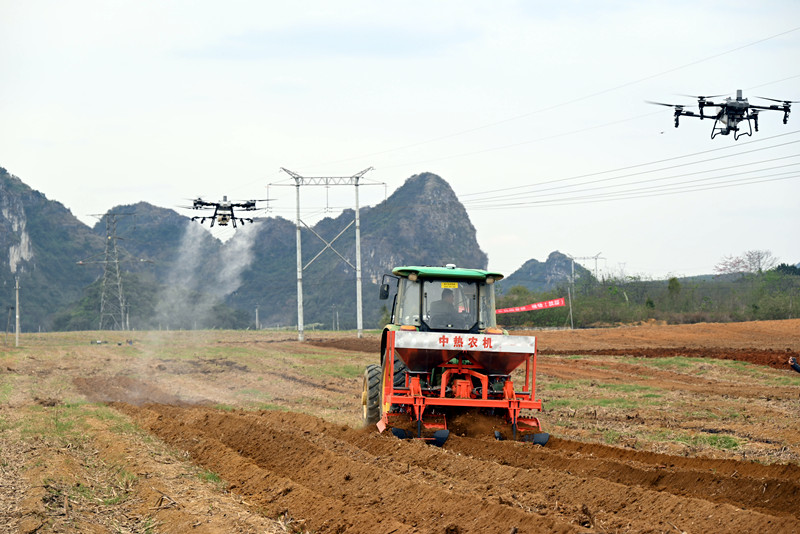
Sugarcane cultivation is relatively complicated, and there are many relevant elements and professional elements to be considered. In practice, in addition to increasing the tillage layer, it is necessary to put deep plowing and deep loosening in place to complete the maturation of the raw soil in a short period, so that the physical and chemical properties of the soil can be significantly improved. The background, but also to ensure that the soil has a relatively strong water storage capacity, strict control of the depth of machine plowing, so that between 35-50cm, after turning the plow 30cm, towards the horizontal and vertical direction of each harrow once, to ensure that the planting soil is deep enough, loose, broken, flat. In the planting process, the depth of the furrow is controlled to about 30cm, and pesticides and fertilizers are applied in the order as required, followed by mulching. The process of mulching is very delicate and must be pulled tight and compacted to achieve a good moisturizing and heat preservation effect so that the sugarcane can pass through the mulch and break through the soil.(3) Select seed stems and sterilize them
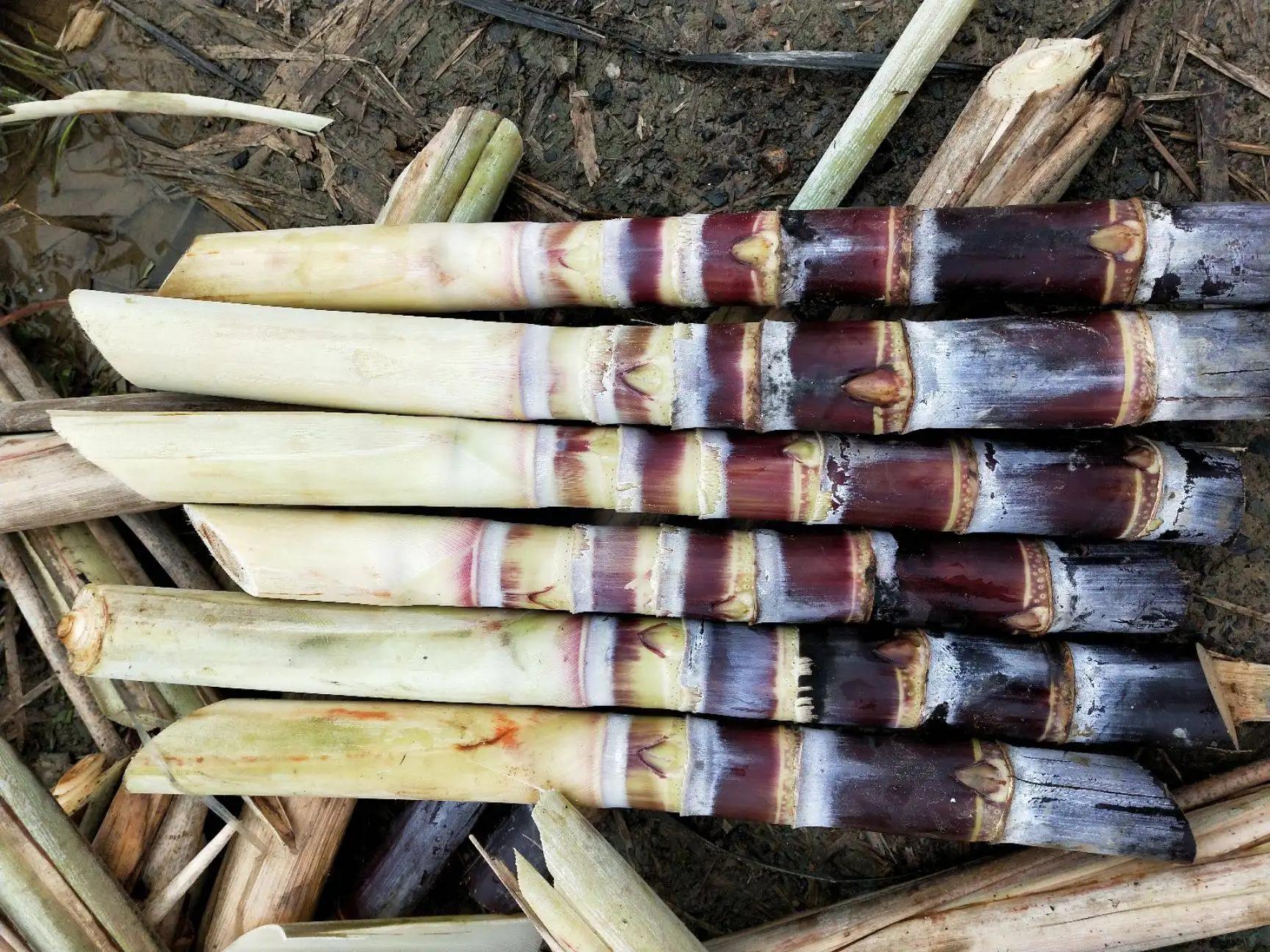
According to the requirements of local sugarcane planting, the seed stems should be scientifically selected to be robust and full, but also free of pest and disease problems to ensure that the plants have high resistance and minimize the attack of pests and diseases on the sugarcane. After the selection of seed, stems is completed, using a knife, the young stems are cut and divided evenly into 2-3 sections, and the knife is kept clean and sharp. During this process, bad and dead shoots are also removed and the seed stems are disinfected. The method of implementation is as follows: choose 50% carbendazim wettable powder with 100kg of water and soak for 10min.
(4) Checking and replenishing seedlings
Pay attention to the emergence of sugarcane seedlings and put in place field inspections during this process. If some cane seedlings cannot break the film, break the film manually to make the emergence process smooth. When the cane seedlings are fully grown and the distance between two cane seedlings is more than 40cm, the seedling replenishment work should be carried out for the first time.(5) Fertilizer application and soil cultivation and weeding
In the process of sugarcane planting, fertilization is very critical and directly affects sugarcane yield. Choose farm organic fertilizer as the base fertilizer, and control the application amount of compound fertilizer and calcium-magnesium phosphate fertilizer to 100-150kg/667m² and 50-150kg/667m² respectively. After completing the above work, control the time of nitrogen fertilizer chasing at the tillering stage, and the amount of urea application should be 10-15kg/667m². In the elongation stage, recognizing the importance of fertilizer application, it is important not to apply a single fertilizer, and apply high content compound fertilizer and potassium chloride at the same time, and control the application amount to 100-150kg/667m² and 10-15kg/667m² respectively. After the above work, major cultivation is carried out, no later than mid-June. In tropical and subtropical monsoon climate zones, sugarcane grows very well, but weeds multiply very fast because of high temperature and rain in summer. Therefore, in addition to planting sugarcane, field weeding should be taken into account. Within a week of finishing the sugarcane planting work, a pre-emergence herbicide is preferably sprayed in the sugarcane planting area to contain the weeds so that they do not grow wildly in the field. Both before and after the big cultivation of sugarcane, special herbicides such as Cane On and Cane Nong Le are very effective.
(6) Cutting and harvesting time and quality control
There are differences in cutting and harvesting time for different sugarcane planting periods, which are interfered with by the type of fields in the planting area, sugarcane varieties, and other related factors. The cutting and harvesting work should be carried out strictly according to the principle of first ripe and first cut. If the sugarcane harvesting time is in winter, it is necessary to put in place the work to prevent cold and keep warm. It is very important to make sure that the cutting tools are sharp so as not to crack the head of the cane by improper behavior, and to control the distance between the soil and the stump between 3-6cm and 8-10cm respectively.
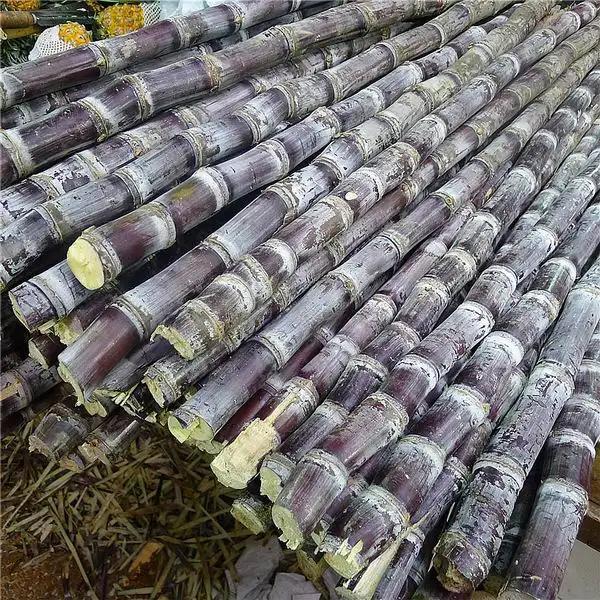
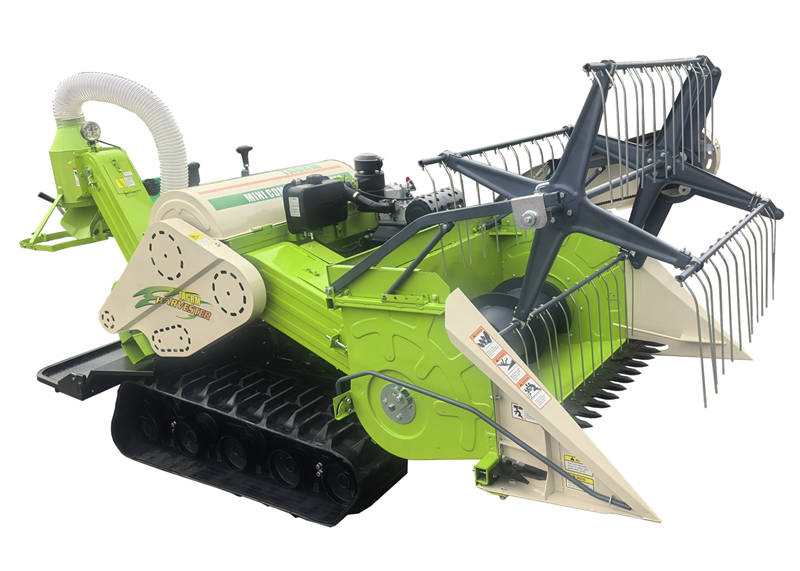
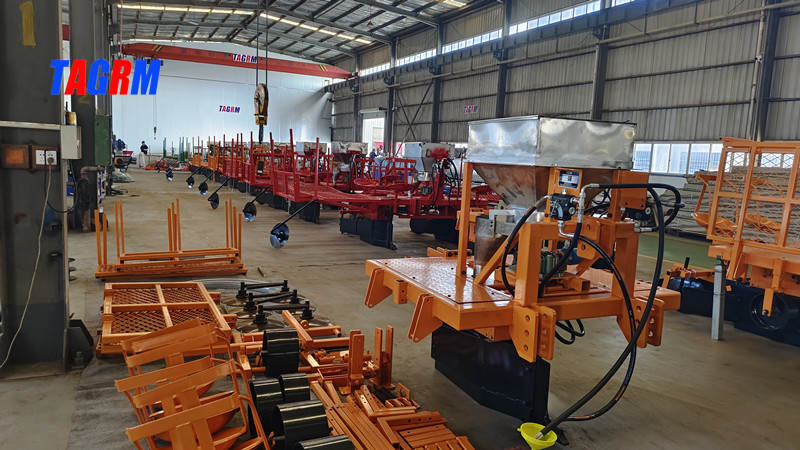
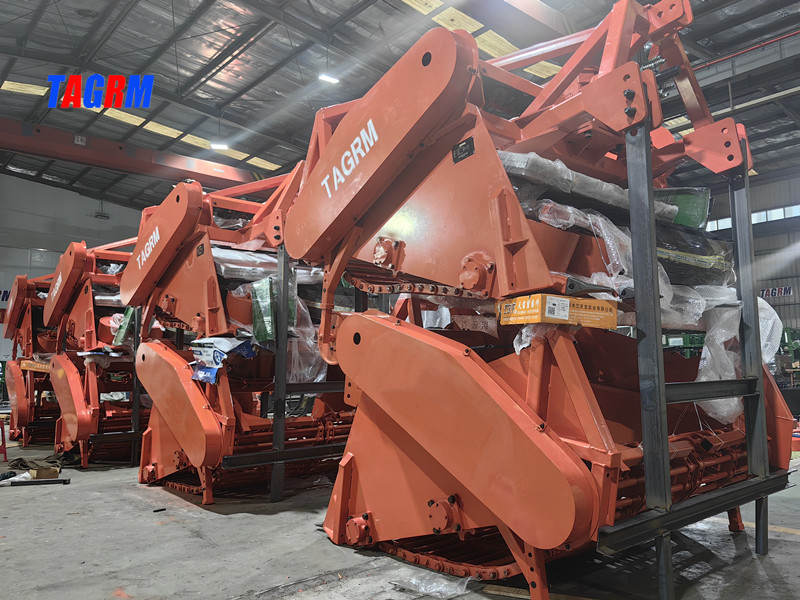
TAGRM sugarcane farming machine