Nitrogen, phosphorus, and potassium are essential nutrients for the growth and development of all plants, and the same applies to sugar cane. The growth and development of sugar cane can be broadly divided into three stages: the seedling stage, the early stage, and the elongation stage. The requirements of nitrogen, phosphorus, and potassium are different in each of the three stages of sugarcane development.
1. Seedling stage: Before the seedling stage, sugarcane mainly relies on the nutrients stored in the sugarcane seedlings and does not need to absorb nutrients from the outside. When the seedling stage is reached, the nutrients from the mother are almost absorbed, and it is then necessary to absorb nutrients from the outside. The seedling stage of sugar cane mainly promotes root and seedling development, with seedlings needing nitrogen for growth and phosphorus for root development. As the roots and seedlings are still small and weak in absorption, they need very little nitrogen and phosphorus, accounting for about 10%-15% of the fertilizer used during the whole growing period.
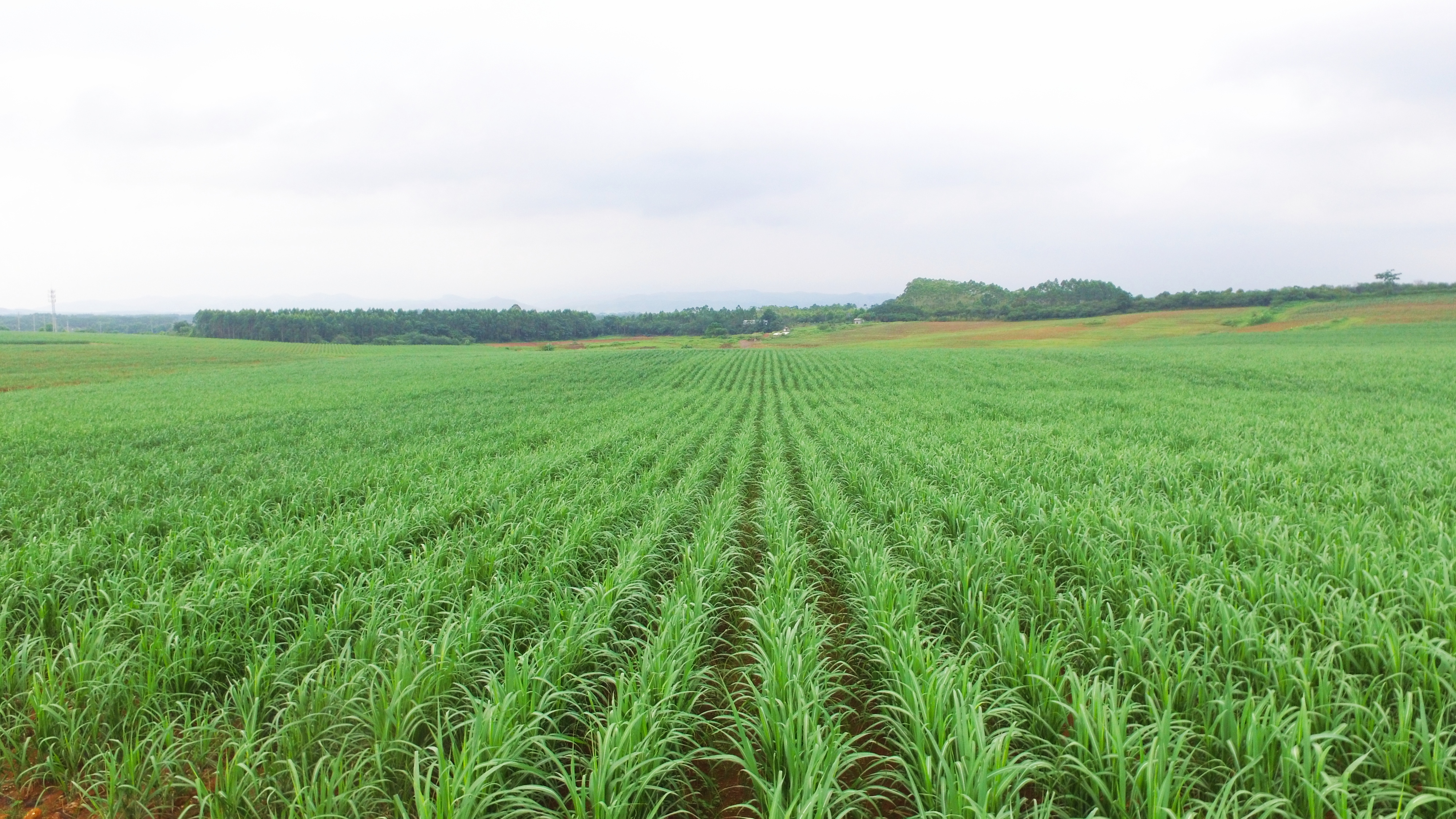
2. Tiller stage: When sugarcane reaches the tillering stage, it will keep on tilling and branching, while the branches and leaves will grow and need nitrogen fertilizer. As the branches and leaves continue to develop and grow, the amount of fertilizer needed will also increase, so you can apply some quick-acting nitrogen fertilizer. Fertilizer requirements at this time of year are still modest, accounting for about 15-20% of the fertilizer used throughout the growing season, and can be applied in several applications. Sugarcane has a strong tillering capacity. When the monopoly is flush with seedlings, fertilizer can be applied in combination with row cultivation to inhibit further tillering and cultivate strong seedlings.
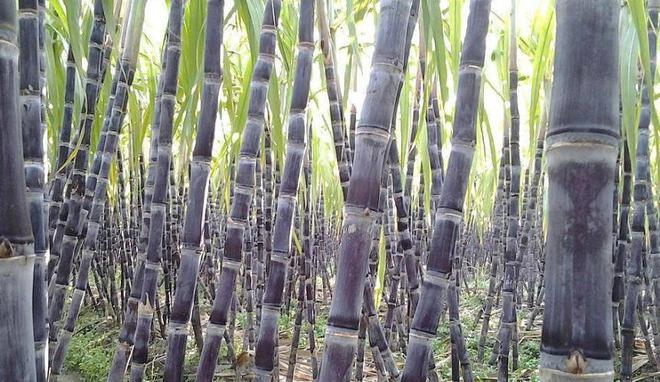
3. Stem extension period: When sugar cane reaches the stem extension period, the stems will grow taller and thicker, the leaves will grow wider and thicker, and the root system underneath will grow thicker. This is a critical period for the growth and development of sugar cane, requiring large amounts of nitrogen and a heavy application of fast-acting nitrogen fertilizer. The amount of fertilizer needed at this time of year accounts for more than 60% of the fertilizer used throughout the growing season. The fertilizer should be applied sparingly and repeatedly, in combination with row cultivation to prevent collapse.
Throughout the entire growth period of sugar cane, the most nitrogen fertilizer is needed, followed by potassium fertilizer and the least phosphorus fertilizer. Potassium and phosphorus fertilizers should be applied early, before the seedling stage. Inhaling too much phosphorus and potassium during the growth period of the sugar cane stems and nodes will cause the cane to harden and lack moisture. In the later stages of sugar cane growth, too much nitrogen fertilizer is not advisable, otherwise, the cane will become brittle and easily broken by high winds, and the sweetness will be greatly reduced.
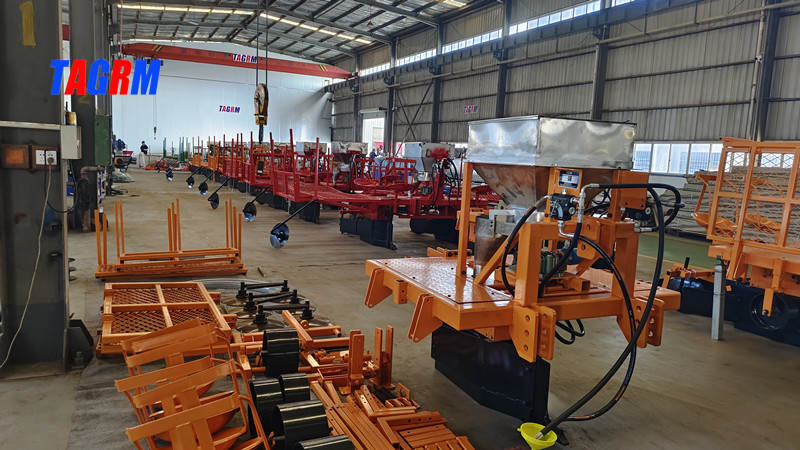
TAGRM sugarcane planter with fertilizer