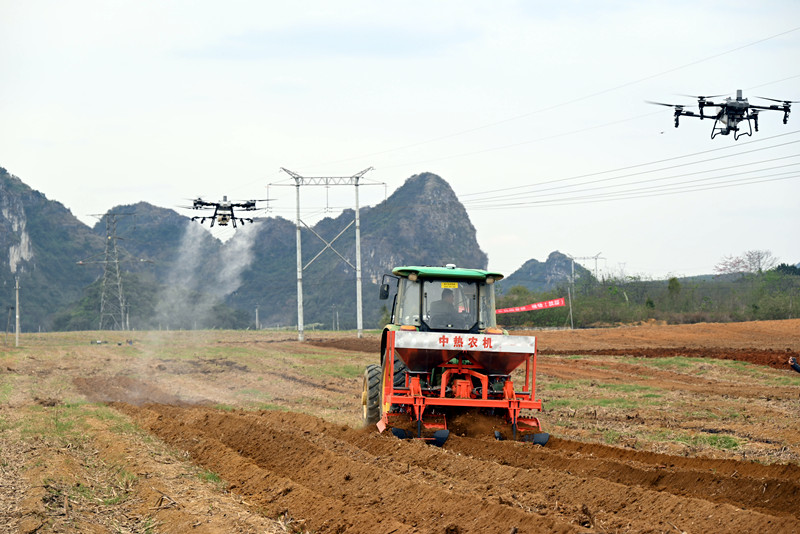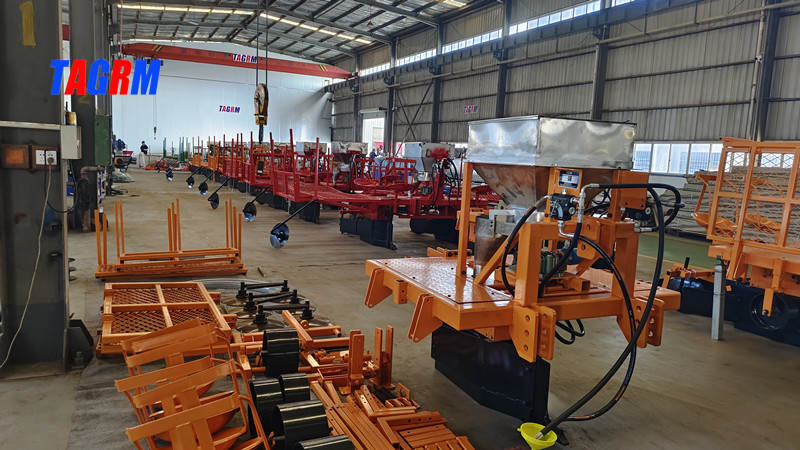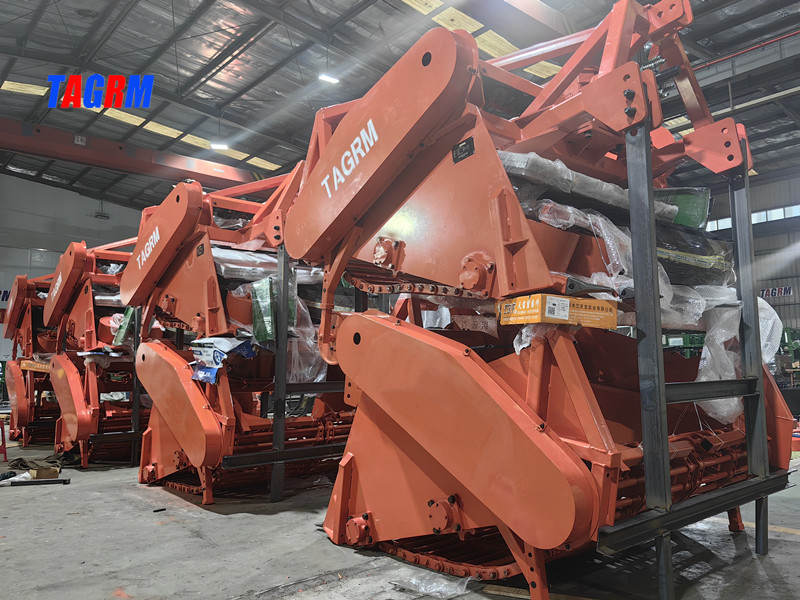
Sugar cane is a tropical crop that contains a lot of water and sugar. The sweet, juicy sugar cane is mainly used to extract sugar and the dark red color of the cane contains iron and other nutrients. Sugar cane can be divided into fruit cane and sugar cane, which is also known as "winter ginseng", and is said to quench thirst, nourish Yin and dryness, clear heat, and detoxify the body. In China, sugar cane is generally grown as a commodity, and the stems are used as seeds. So how should sugar cane be grown?
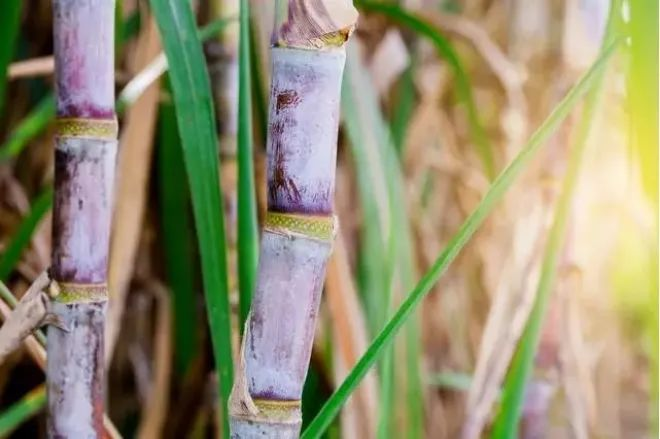
1. Select the seed stems. For larger planting areas, the upper tops of sugar cane are usually chosen as seed stems because they have low sugar content, poor taste, and low commercial value, so it is too wasteful to throw them away directly, but the upper tops of sugar cane have sufficient water content and a high germination rate. The whole plant can be planted as a feedstock as long as the bud eyes are not damaged and the bud eyes are full.
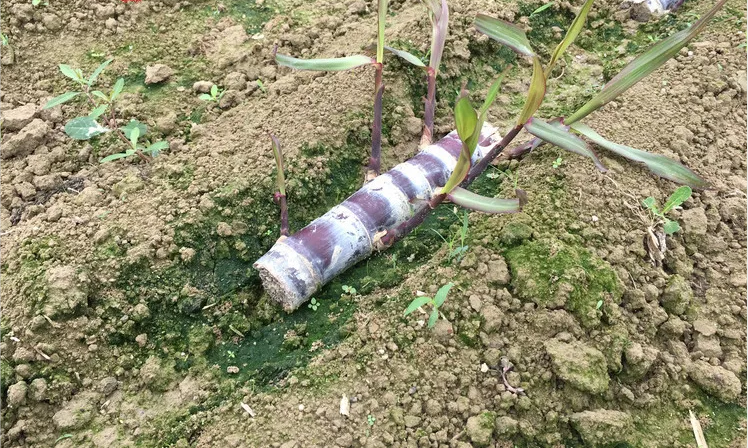
2. Choose the right time of year for sugar cane planting. Sugar cane is a tropical crop and the hotter the weather and the longer the frost-free period, the better the sugar cane will grow, the higher the yield, and the sweeter it will be. The appropriate germination temperature for sugar cane is at least 15 degrees. In the south, sugar cane can be planted from January to February, but in the north, it is usually planted by mid-April.
3. Planting methods. Apply more fully rotted farmyard manure, together with slow-release compound fertilizer, to provide sufficient nutrients for the sugar cane. Plant one row of planting following one meter, and when fertilizing, concentrate the farmyard manure and compound fertilizer mainly in the planting row, open a trench 20cm deep and 20cm wide with a flat planting trench at the bottom, and plant double rows of strips, and generally use about 2,500 to 3,500 sections of double-bud seeds per mu of land. Triangular strip planting can also be used to improve the uniformity of the sugar cane. Place the bud eyes facing both sides.
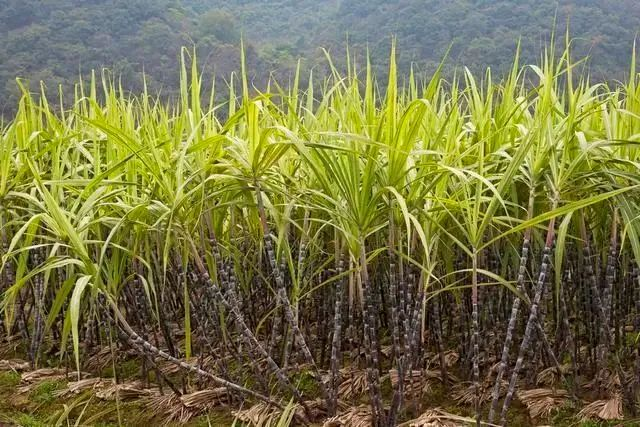
4. Drought-proof. Sugar cane is water-loving and not drought-tolerant. In spring, when rainfall is generally low, sugar cane is prone to drought and cannot grow properly.
5. Foliar fertilizer spraying. Foliar fertilizer can be chosen from potassium phosphate, calcium chelate, multiple trace elements, foliar fertilizer, etc., and sprayed once every 7-15 days during the early growth period.
6. Leaf beating and prevention of collapse. Generally, once a month, cultivate the soil to improve the ability to resist collapse. When the stems of sugarcane are long enough, leaf beating can be carried out, stripping off no more than 4 leaves at a time to promote the growth of sugarcane, and at the same time increase the ventilation capacity of the field and improve the quality of sugarcane.
7. Control pests and diseases. The main pests and diseases that affect the quality of sugarcane are sugarcane stem borers, mealybugs, and black spike disease, depending on the local pest forecast.
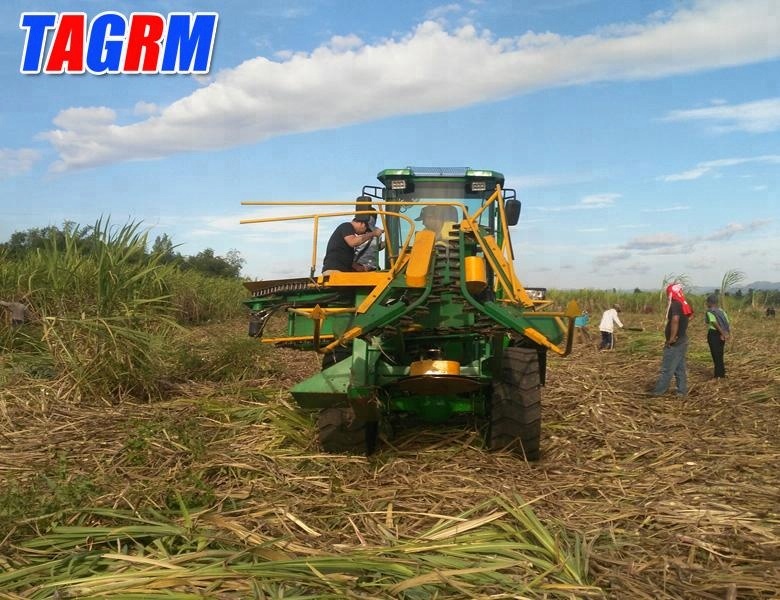
8. Harvest at the right time. The sugar cane can be fully matured after 260 days of growth when it has the highest sugar content.