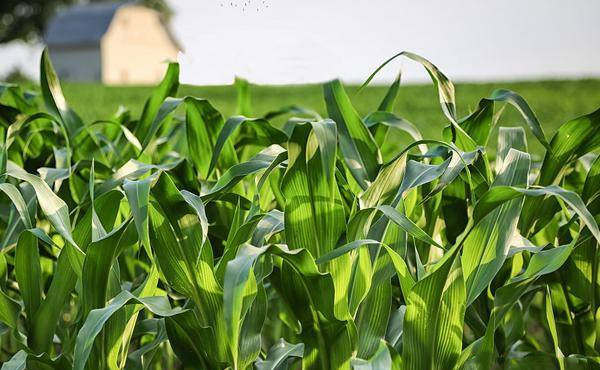
As we know, the most important factor affecting plant photosynthesis is the leaf coefficient of the plant. Plants with large leaves have stronger photosynthesis abilities, so they can provide more nutrients for plants, and corn is no exception. The better the growth, the better the quality of the corn. The leaf size of the corn plant is affected by the corn planting density. Therefore, planning should be done to find the optimal planting plan. The yield of corn will be affected by the three parameters the number of ears of corn per unit area, the number of ears of corn, and the quality of 1,000-grain corn. Only by seeking the most advantageous planting plan can the overall corn yield of the corn field be effectively improved.
1. Low corn planting density
When the corn planting density is low, it can ensure that each corn plant can distribute more nutrients within a certain range, the leaves of the corn plant will have more growing space, and the photosynthesis process of the corn plant will be smoother, which greatly improves the quality of corn. , therefore, the individual plant development will be better, and the corn ear will be fuller. However, planting corn cannot only focus on the quality of the individual. The excellent quality of individual corn cannot make up for the serious shortage of the overall corn yield. Therefore, it is necessary to comprehensively consider the whole farmland during planting to ensure that the quality of the corn produced by the soil as a whole is comparable to that of the corn yield, too small planting density will reduce the utilization rate of land, cause resource waste and seriously affect the overall yield of corn. In farmland with too small planting density, the effective ear number of corn is lower, but the quality is better. Therefore, it is necessary to plan the corn planting plan in combination with the local environment to ensure corn's overall yield and quality.
2. High corn planting density
When the corn planting density is high, the overall area and the number of corn plants left in the farmland will increase significantly compared with the corn field with a low planting density. Therefore, the overall photosynthesis level of the corn field can be effectively improved, and the corn in the whole range can be improved. Yield increased significantly. One of the important evaluation criteria for corn yield is the number of corn ears harvested per unit area. When the density of corn plants increases, the number of corn ears in farmland can be increased. There appears to be a reduction in the quality of each corn kernel to a certain extent. When the density of maize plants is too large, it will also cause competition among maize plants. Since more maize plants are planted on a unit area of land, when the planting density exceeds a certain range, resource competition among maize plants will occur. will be stronger, stronger corn plants will be able to acquire and absorb more resources, while the living conditions of weaker corn plants will be worse and worse. This leads to the uneven quality of each corn plant, which is generally known as unstable quality between plants. When the corn planting density in a certain area is high, the individual yield will be out of balance, which will affect the overall yield of the corn field, and the weight of the corn ear will decrease, which will affect the overall yield and quality of corn.
3. Advantages of suitable corn planting density
Corn planting in different regions requires reasonable planning in combination with local conditions to ensure the overall corn yield while ensuring the photosynthesis efficiency of corn. Too large or too small planting density will affect the yield and quality of corn. Reasonable planning of the planting density of maize plants enables individual plants and the overall population to achieve balanced growth. A reasonable planting density of maize can reduce the differences between individual maize plants, make the overall maize quality more stable, and ensure maize yields.
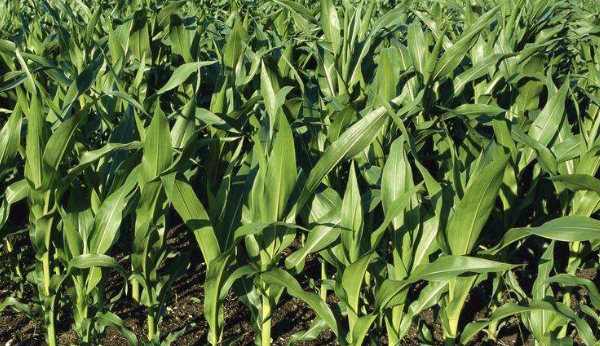
Different corn varieties have different planting densities, which are generally marked on the packaging, such as about 67,500 plants per hectare. Then, after the sowing density is determined, how to calculate the sowing row spacing and plant spacing per mu of land? After reading the table below, you will understand in no time:
Reference table for corn planting distance(Row Space:60cm)
Density(Plant/h㎡)
Row Space(cm)
Plant Distance(cm)
52,500
60
32
60,000
60
28
67,500
60
25
75,000
60
22
82,500
60
20
Reference table for corn planting distance(Row Space:80cm)
Density(Plant/h㎡)
Row Space(cm)
Plant Distance(cm)
52,500
80
24
60,000
80
21
67,500
80
19
75,000
80
17
82,500
80
15
Note: Recommended row spacing of 60 cm for denser corn varieties