Cassava, originally from South America, cassava, often referred to as yucca, is a root crop that is now widely grown throughout the tropics and subtropics, including Africa, Asia, and the Caribbean. Cassava is a resilient crop that can be cultivated in a variety of soil types, including those with low nitrogen levels, and it is comparatively resistant to pests and diseases. As a result, millions of people in some developing countries now eat cassava as a staple diet, which serves as a considerable source of vitamins, protein, and carbohydrates.
Cassava is a valuable crop for food production, but it also has a variety of significant industrial applications. Its many portions can be used to make a variety of goods, including starch, flour, animal feed, biofuels, and industrial chemicals. Cassava is a very adaptable crop. Because of its adaptability, cassava is a crucial crop for many developing nations as it offers a variety of chances for farmers and business owners to generate cash.
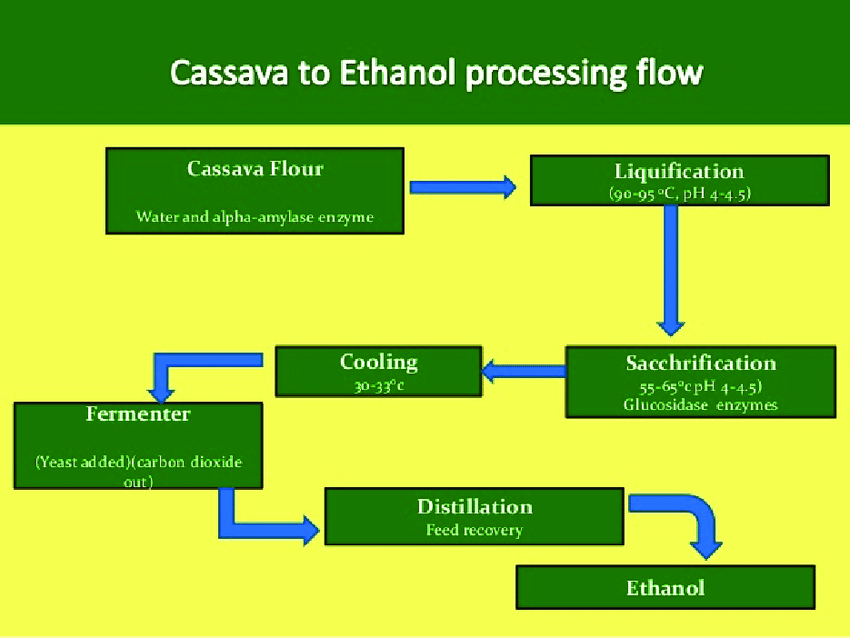
The production of starch is one of the main industrial uses of cassava. The starch found in cassava root may be extracted and converted into a variety of goods, such as paper, textiles, and industrial adhesives. In some nations, cassava starch is used in place of cornstarch, and it is frequently employed as a thickening ingredient in the food sector. Cassava is being investigated as a potential feedstock for the manufacturing of biodiesel due to its high starch content, which also makes it a crucial component in the synthesis of biofuels like ethanol.
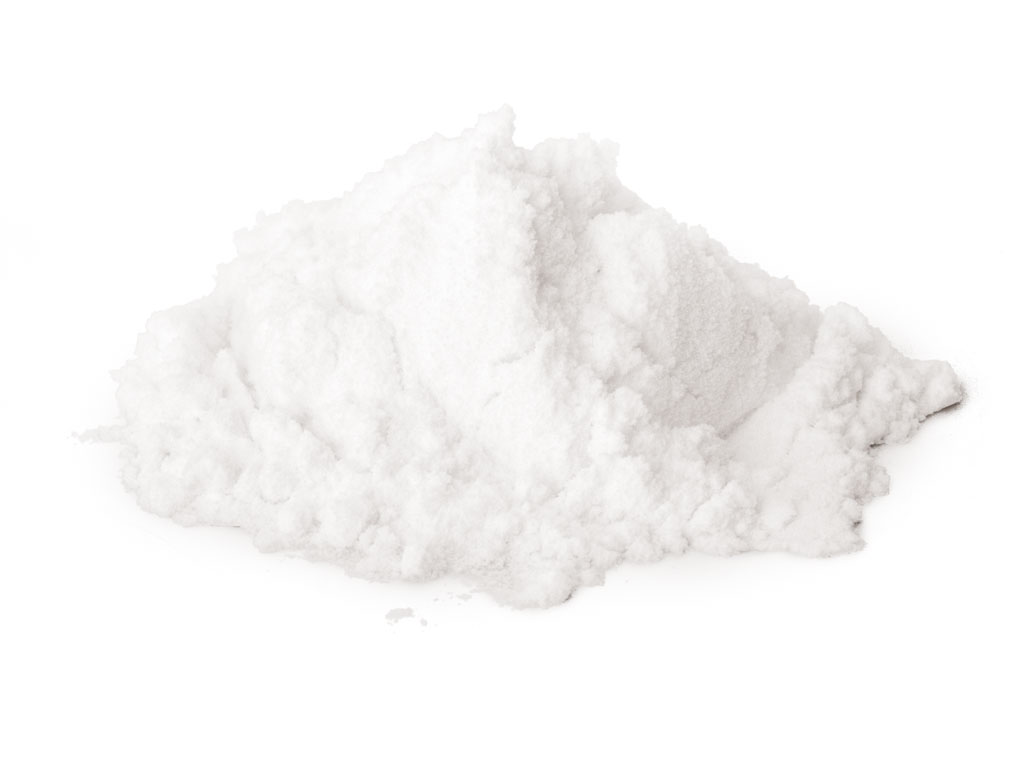
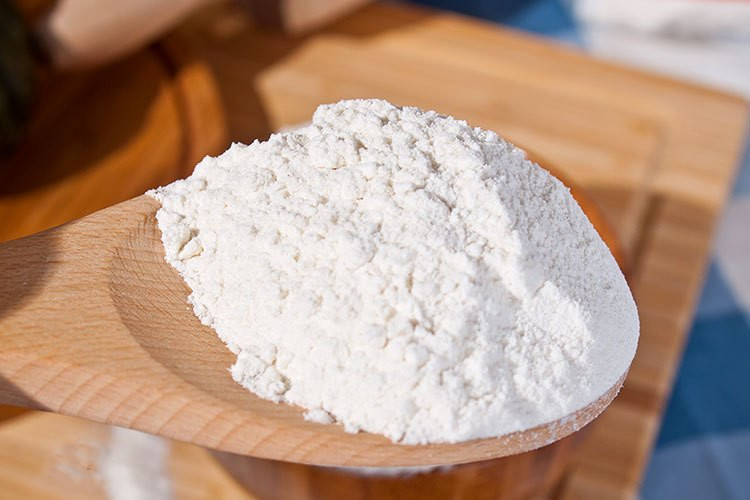
Another important industrial use of cassava is the production of flour. Cassava flour is a nutritious and versatile food ingredient that can be used in a variety of food products, including baked goods, noodles, and confectionery. In some countries, cassava flour is used as a wheat flour substitute, and it is often used in the production of gluten-free food products. Cassava flour is also used in the production of animal feed, and it is an important ingredient in the livestock feed industry in many countries.
The leaves of the cassava plant are also used for industrial purposes. Cassava leaves are a rich source of protein and can be processed into animal feed, providing an important source of protein for livestock in many countries. In addition, cassava leaves are being explored as a source of biofuels, as they contain a high level of carbohydrates that can be converted into ethanol.
The creation of biofuels is also another significant industrial application for cassava. Cassava can be farmed in limited areas and is comparatively pest and disease resistant, making it a highly effective crop for the generation of biofuels. The high yield per hectare and high productivity of cassava makes it a desirable crop for the generation of biofuels. In addition to offering farmers and business owners a worthwhile source of revenue, the development of biofuels from cassava has the potential to lessen society's reliance on fossil fuels.
In addition to its uses as a food crop and an industrial crop, cassava is also an important source of industrial chemicals. Cassava root contains a range of chemicals, including acetic acid, ethanol, and butanol, which can be used as raw materials in the production of a variety of industrial products, such as resins, adhesives, and solvents. The production of industrial chemicals from cassava can provide a valuable source of income for farmers and entrepreneurs, and it can also help to reduce the dependence on fossil fuels.
And finally, cassava is a crucial crop for the growth of rural areas. Small-scale farmers, who make up a sizable section of the population in many developing nations, can depend on cassava as a consistent source of food and money. Since cassava is a crop that can be gathered all year long and is relatively inexpensive to plant, its production can aid in reducing poverty and enhancing food security in rural areas. Additionally, the conversion of cassava into a variety of industrial products might help farmers find new markets as well as job prospects for locals.

Cassava processing and production encounter some difficulties in spite of its many advantages, including a lack of investment in research and development, a lack of technology in many rural regions, and restricted access to markets and financial services. Governments, international organizations, and the private sector must invest in the growth of the cassava value chain to fully realize the promise of cassava as an industrial crop. This includes spending money on R&D, advancing processing technology, and developing new markets for cassava-related goods.
The manufacturing of starch, flour, animal feed, biofuels, and industrial chemicals are just a few of the industrial uses for the highly productive and important crop known as cassava. Millions of people depend on cassava as a food and income source in many developing nations, and it has the potential to significantly contribute to decreasing poverty and enhancing food security in rural regions. It is crucial to make investments in the growth of the cassava value chain, including research and development, technology advancement, and market development, in order to fully realize the potential of cassava.