Cassava is a widely grown crop in the tropics and Tropic of Cancer, native to the Amazon region of South America. Due to its adaptability, resistance to drought, and insects, and not requiring much fertilizer and irrigation, cassava has become one of the main food sources in many countries.
Generally, cassava is harvested between 8 and 12 months after planting. The exact time depends on the variety and local climatic conditions. The rate at which cassava grows is affected by temperature and rainfall, so harvest times may vary in different regions. However, the growth rate of cassava also depends on the quality of cultivation techniques, such as soil, fertilizer, irrigation, and pest management.
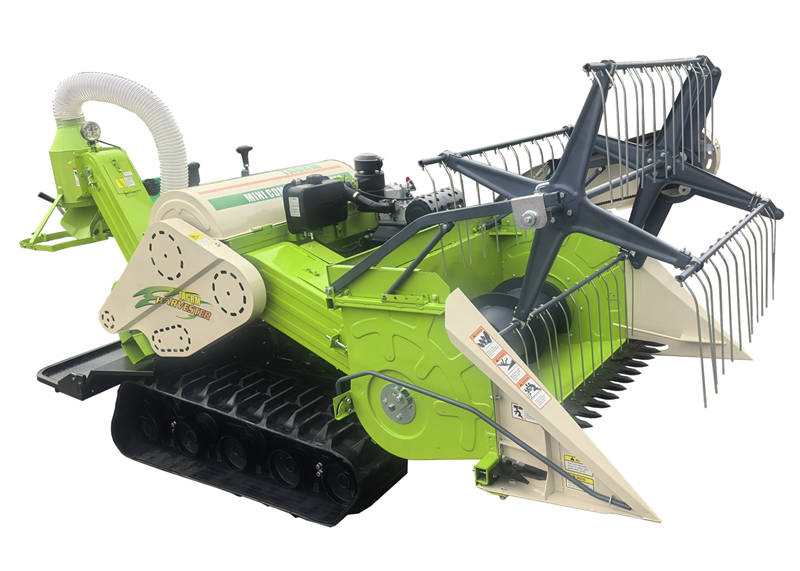
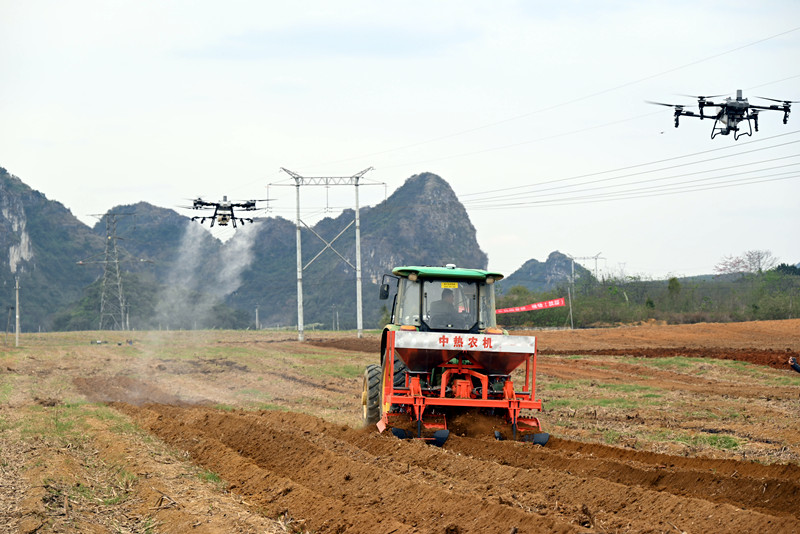
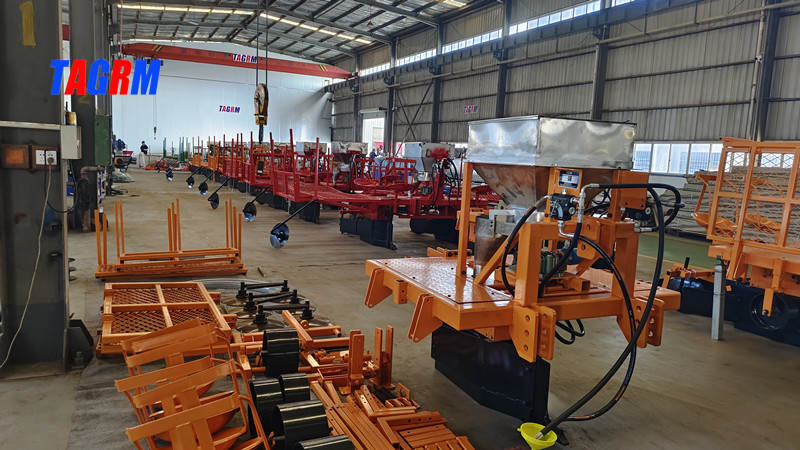
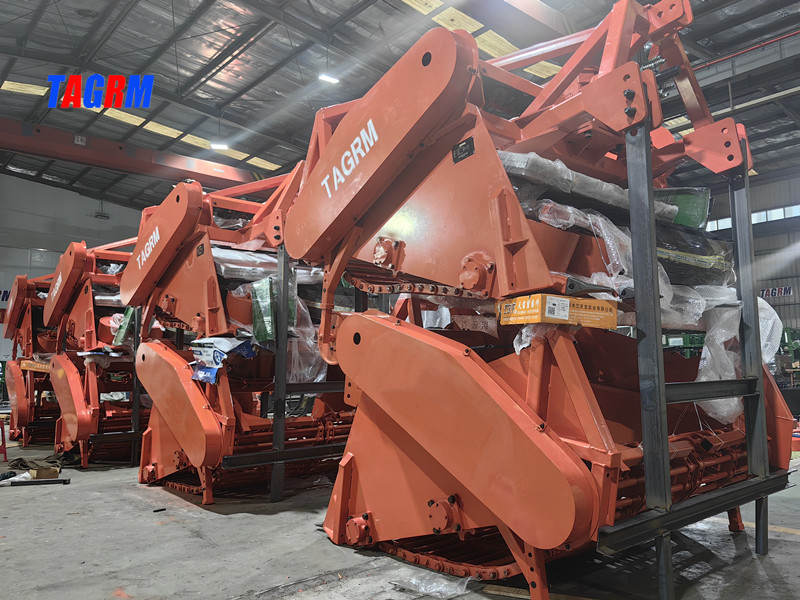
Mechanical planting is the process of using specialized machines for cassava planting operations such as sowing, cultivating, and harvesting.
Mechanical planting of cassava has numerous benefits:
Firstly, it is highly efficient, covering large areas in a relatively short period. This is especially beneficial when large tracts of land are to be planted quickly. Furthermore, mechanical planting can reduce the number of resources expended in terms of labor, fuel, and seeds. It can also improve yields by reducing the amount of soil compaction that occurs with manual planting. Additionally, mechanical planting can aid in weed control, as machines can eliminate weeds more effectively than manual labor.
Secondly, not only can mechanical planting increase output and efficiency, but it can also help to improve the quality of cassava production. Machines allow for greater accuracy when planting and can also help to reduce crop variation, as plants are uniformly spaced apart. This helps to ensure that all plants receive the same amount of nutrients, light, and water, leading to improved yield and quality of the final product.
Lastly, mechanical planting can reduce the physical strain on farm workers, allowing them to work longer hours without feeling the effects of fatigue. Ultimately, the adoption of mechanical planting technology is a beneficial step for the agricultural sector, reducing costs, increasing output, and improving the overall quality of crop production.