The rice harvester market in Southeast Asia has undergone a demand boom in recent years due to the expansion in rice output in the area. Rice is a major meal throughout Southeast Asia, and with the expanding population, the need for rice has also grown. This has led to the necessity for more efficient and effective means of harvesting rice, which is where rice harvesters come in.
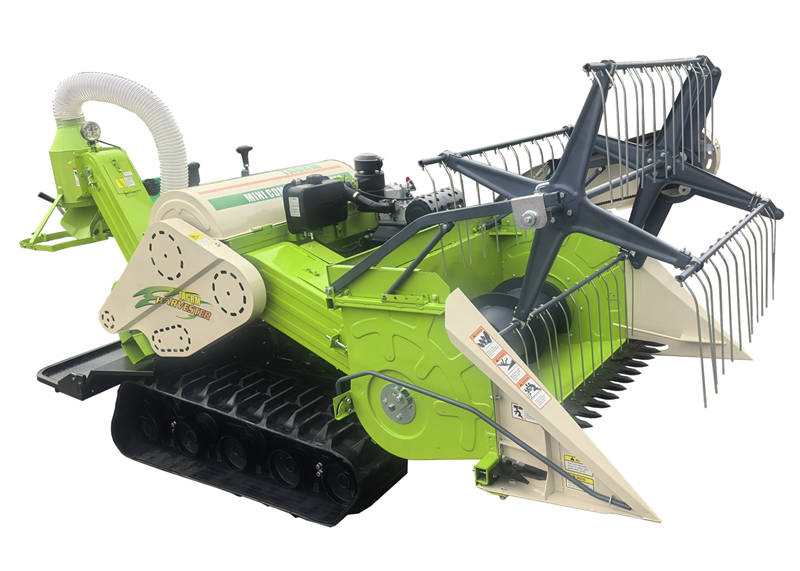
Rice harvesters are equipment used to harvest rice crops swiftly and effectively. They are meant to make the rice harvesting process easier, quicker, and less labor-intensive. The rice harvester market in Southeast Asia is classified into many sectors based on the kind of harvester, the amount of automation, and the power source.
The most popular form of rice harvester used in Southeast Asia is the combine harvester, a machine that combines cutting, threshing, and cleaning the rice crop in a single operation. Combine harvesters are frequently utilized in the region because they are efficient, save time and effort, and can handle varied types of terrain.
Another sort of rice harvester is the hand-held rice harvester, which is a manual machine controlled by hand. This type of harvester is generally employed by small-scale farmers with tiny plots of land who cannot afford to acquire larger equipment. Hand-held rice harvesters are also common in locations where the terrain is not suited for combination harvesters.
The automation level is another feature separating rice harvesters in the Southeast Asian market. Manual or semi-automatic harvesters take more effort and time to operate, whereas fully automated harvesters demand less labor and are more efficient. Nevertheless, fully automated harvesters are more expensive than manual or semi-automatic ones, making them less accessible to small-scale farmers.
The power source is also a significant aspect of the rice harvester industry. While some harvesters are powered by gasoline or diesel, some are powered by electricity. Electric-powered harvesters are more ecologically friendly and less noisy than gasoline or diesel-powered harvesters, making them popular in metropolitan settings.
The rice harvester market in Southeast Asia is extremely competitive, with numerous multinational and local competitors contending for market share. The top competitors in the industry are Kubota, Yanmar, John Deere, CLAAS, and AGCO Corporation. These firms provide a wide range of rice harvesters, from small hand-held devices to huge and powerful combine harvesters.
The need for rice harvesters in Southeast Asia will likely continue to expand in the future, driven by the need for more efficient and effective rice harvesting methods. Nevertheless, other obstacles face the rice harvester business, including the high cost of some machines, the need for maintenance and repair, and the lack of access to funding for small-scale farmers.
In conclusion, the rice harvester market in Southeast Asia is a significant component of the region's agriculture industry. With the expanding population and demand for rice, rice harvesters are becoming increasingly crucial in guaranteeing efficient and successful rice production. While the market is extremely competitive, there is still space for development and innovation in the business, notably in making rice harvesters more accessible and inexpensive to small-scale farmers.