Africa is the continent with the highest output and area planted in cassava, making it the world's greatest producer and consumer of root vegetables. Eastern, southern, and western Africa are the main planting regions for cassava, with southern and western Africa having the biggest planting acreage and yields. Cassava is currently one of the principal crops in many African nations, and in some of those nations, it is also a significant economic crop.
The essential steps in the production of cassava, a significant energy crop, including planting, harvesting, drying, storing, and processing. Because cassava has a lot of starch and little cellulose, it offers a lot of potential for manufacturing starch and modified starch. Additionally, cassava may be processed to create a variety of goods, including cassava flour, chips, and granules, all of which are extensively utilized in the chemical, pharmaceutical, and food industries.
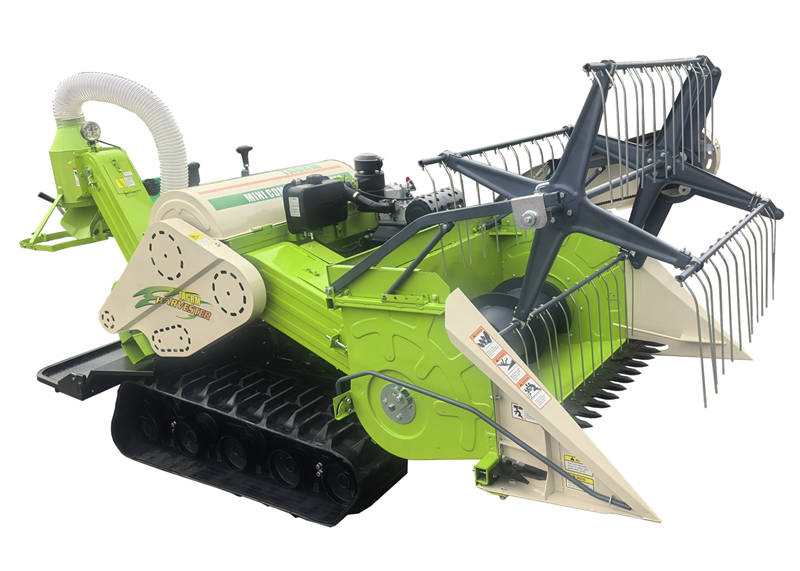
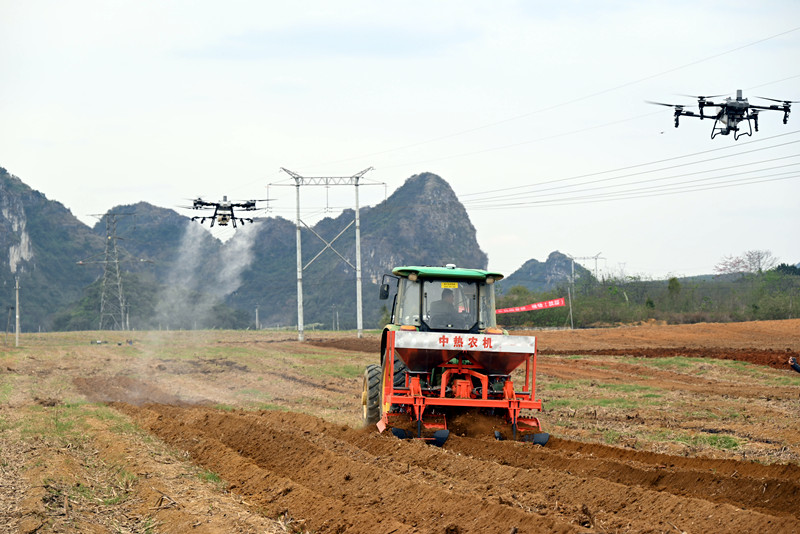
Cassava production and acreage have been rising throughout Africa. According to data, Africa will harvest 28.4073 million hectares of cassava in 2021, making up 82.99% of the global total. The advantages of cassava cultivation are also growing year after year due to the continuous advancement of agricultural technology and the constant rise in market demand. For instance, certain regions in Southern Africa have implemented mechanical cassava planting and harvesting, which has significantly increased production efficiency and decreased prices.
However, the African cassava sector also faces several difficulties and issues:
1. High production costs are a result of the spread and poor production efficiency of cassava planting areas.
2. Because of the relatively antiquated technology and machinery used in cassava processing, it is challenging to meet consumer demand for high-quality cassava products.
3. The cassava business has also been somewhat impacted by issues like climate change and land degradation.
Several actions are needed to help the cassava sector in Africa flourish further:
1. To increase production effectiveness and quality, research and promotion of cassava planting technology should be improved.
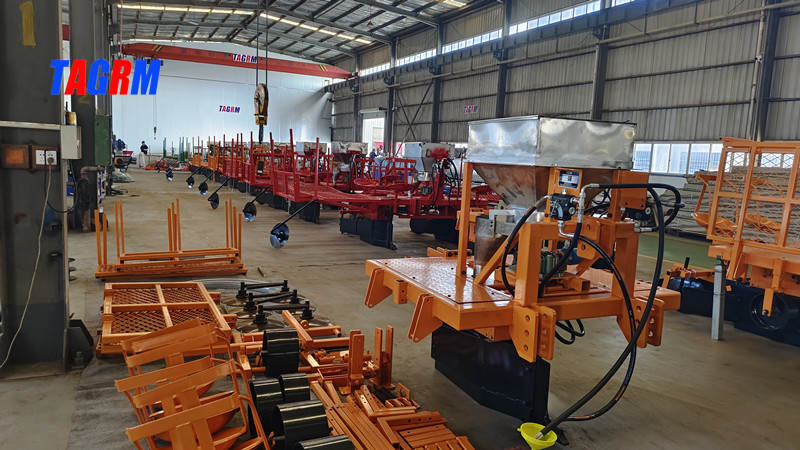
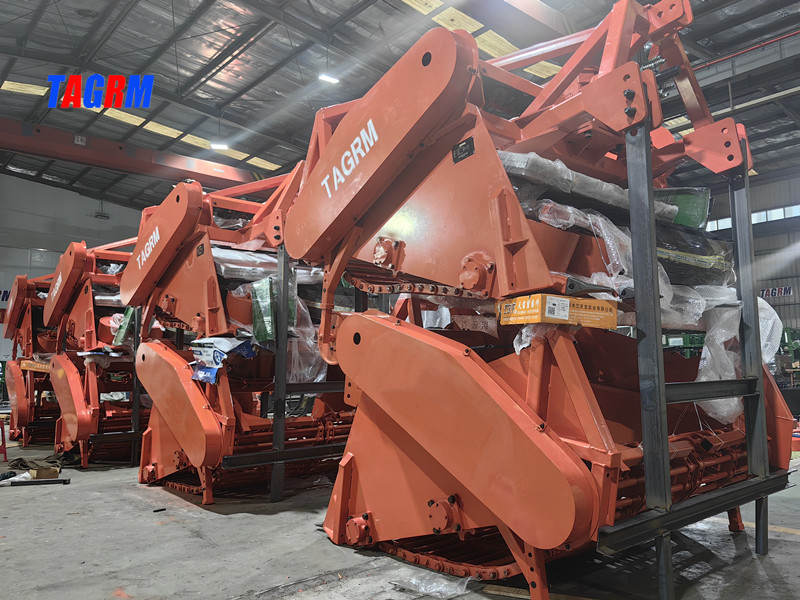
2. To boost the added value and competitiveness of cassava products, more money should be invested in research and development of cassava processing technology and equipment.
3. To achieve sustainable development, the coordinated planning and management of cassava planting areas should be increased, and the scale and standards of cassava planting should be improved.
In conclusion, the cassava industry in Africa is a significant economic crop, and its growth and production are crucial to the continent's economic and social progress. The cassava business does, however, also face significant difficulties and issues that need several solutions. The cassava sector's sustainable development and consistent growth can only be attained by ongoing technological innovation and management advancement.