Challenges to the Growth of the African cassava industry
1. scattered planting and low productivity
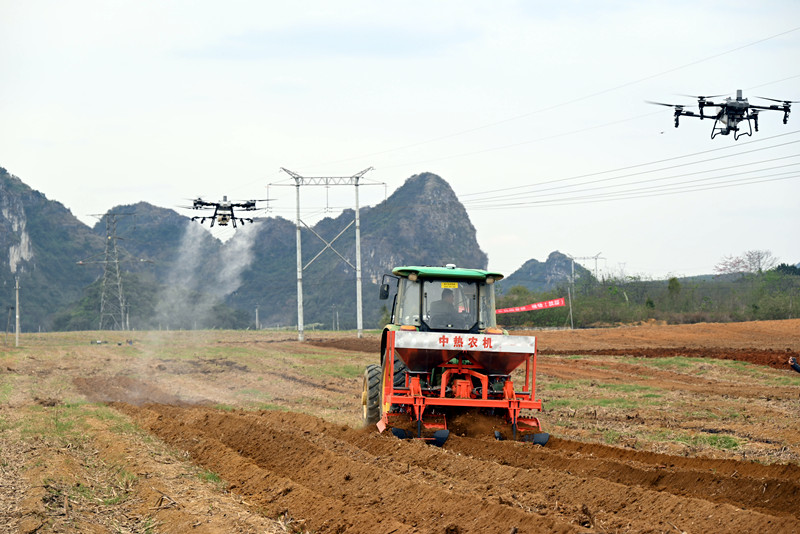
Cassava cultivation is widely dispersed, and most of it is small-scale family agriculture, resulting in low production efficiency and making large-scale production problematic. Furthermore, many cassava-producing regions lack contemporary agricultural technology and equipment, such as irrigation, fertilizer, plant protection, and so on, which has an impact on cassava development and output.
2. Backward processing technology and equipment
Cassava processing technology and equipment in Africa are rather outdated, and most cassava processing plants lack contemporary equipment and technology, resulting in low production efficiency and difficulty in meeting market demand for high-quality cassava products. Furthermore, many cassava processing plants lack the processing capacity required to handle huge amounts of cassava raw materials, limiting the expansion of the cassava processing sector.
3. Land degradation and climate change
Climate change and land degradation have had a significant impact on the cassava sector. Cassava production needs adequate sunshine, water, and nutrients, yet portions of Africa experience long-term drought, which impacts cassava growth and productivity. Furthermore, soil deterioration will reduce cassava growing space, thus limiting the expansion of the cassava sector.
The future development pattern of the African cassava industry
1. Improve production efficiency and scale production
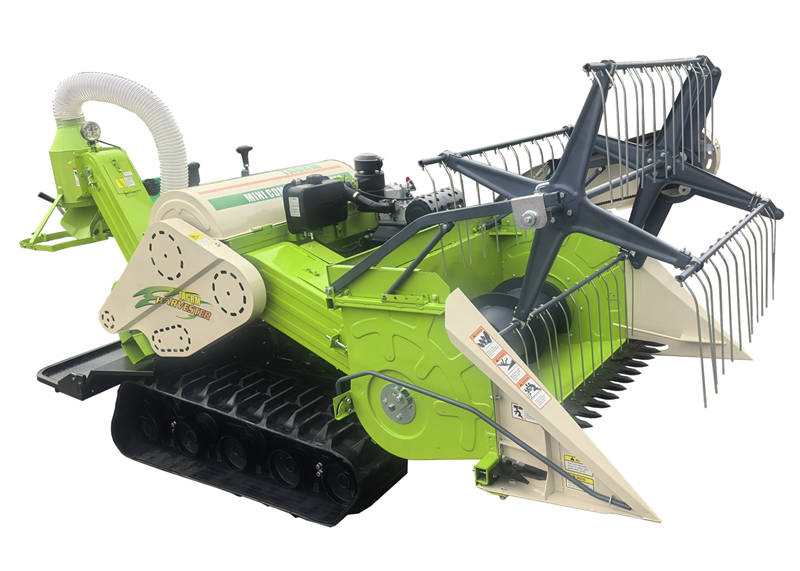
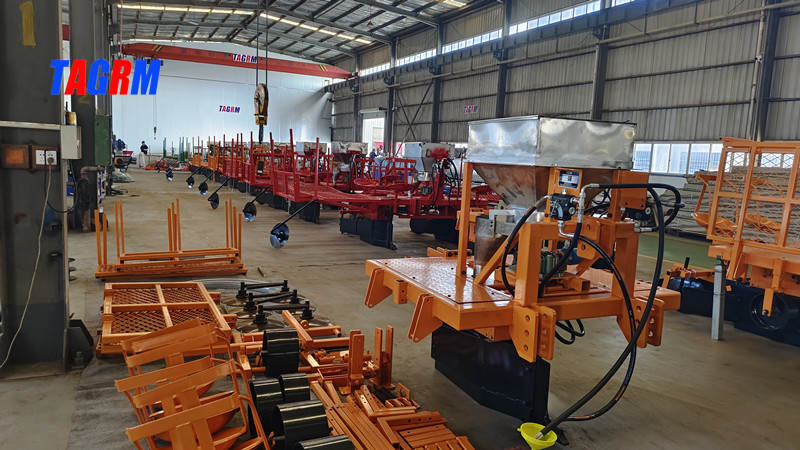
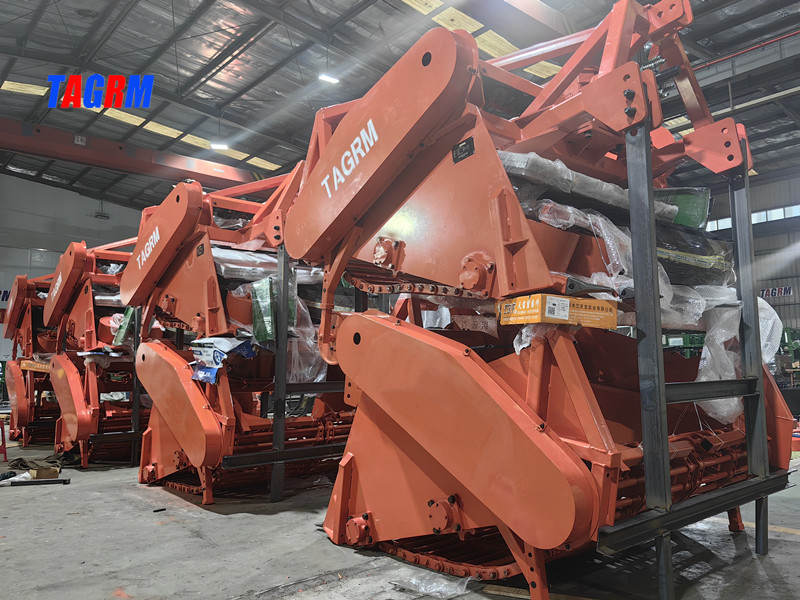
It is vital to increase production efficiency and scale production to realise the sustainable growth of the cassava sector. To achieve large-scale production, the government and related institutions should expand investment in cassava planting technology and equipment, as well as raise the level of mechanization and automation of cassava production. Furthermore, to boost market competitiveness, firms should be encouraged to grow the scope of cassava cultivation and processing through mergers and acquisitions.
2. Improve cassava processing technology and equipment level
To fulfill market demand for high-quality cassava products, cassava processing technology and equipment levels must be improved. Enterprises should enhance R&D and investment in cassava processing equipment and technology, introduce modern processing equipment and technology at home and abroad, and improve cassava processing quality and efficiency. At the same time, the government should increase oversight of the cassava processing sector to ensure the industry's healthy development.
3. Improve the unification of production planning and management
It is vital to increase the unified planning and administration of production regions to realise the sustainable growth of the cassava sector. To achieve effective resource use and sustainable cassava industry development, the government and relevant institutions should develop development plans for cassava planting and processing industries, as well as coordinate cassava planting areas, processing plant construction, and market development. Simultaneously, land protection and management should be increased to save land resources and improve the ecological environment for cassava farming.
4. Improve the added value and competitiveness of cassava products
To strengthen the competitiveness of the cassava sector, the added value and competitiveness of cassava products must be increased. To fulfill market demand for high-quality cassava goods, enterprises should enhance R&D and investment in cassava deep-processing technology and products, as well as produce high-quality, high-value-added cassava products like as cassava beverages, cassava syrup, and cassava wine. Simultaneously, the government should assist businesses to boost the appeal and competitiveness of cassava products through brand and marketing strategies.
5. Address issues such as climate change and land degradation
Climate change and land degradation have had a significant impact on the cassava industry's development. Businesses can actively address concerns such as climate change and soil degradation by upgrading planting practices, encouraging water-saving irrigation systems, and producing drought-resistant types. To ensure the cassava industry's long-term development, the government should increase oversight of concerns such as climate change and land degradation, adopt applicable legislation, and promote knowledge of ecological and environmental preservation.
6. Promote international collaboration and exchanges in the cassava business.
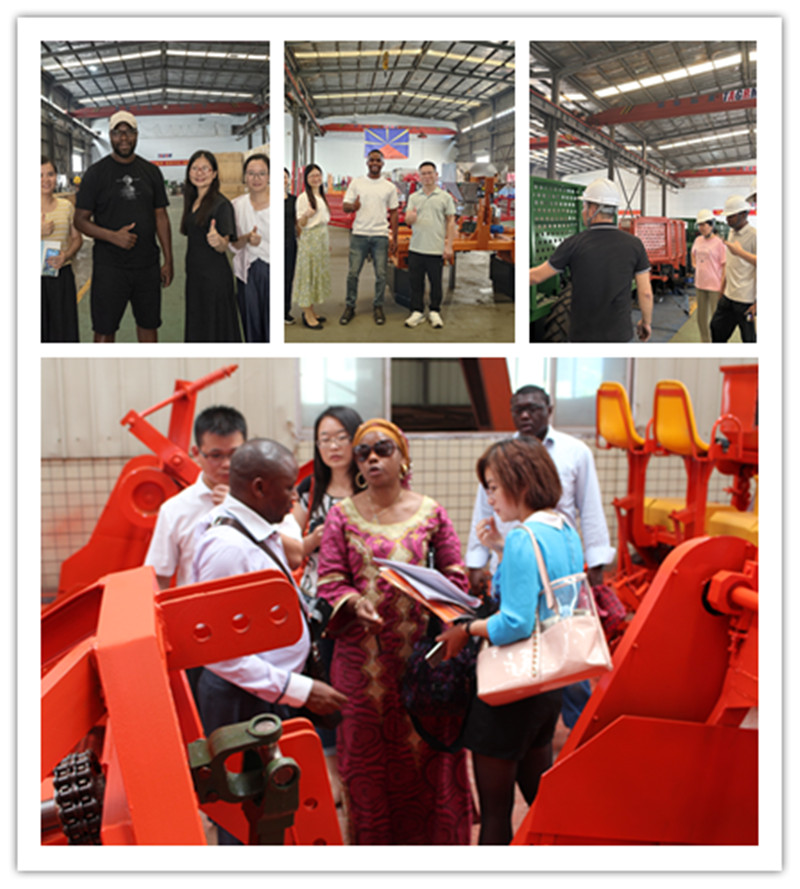
To support the long-term growth of the cassava industry in Africa, international cooperation and exchanges in the cassava sector must be strengthened. The government and businesses should actively engage in international cassava industry organizations and forums, learn and learn from the international cassava industry's development experience and innovations, and grow the worldwide market for cassava goods. Simultaneously, collaboration with key cassava-producing and consuming nations should be expanded to boost cassava products' international competitiveness.
Finally, while the African cassava business faces obstacles, it also offers significant development potential. It can promote the sustainable development of the cassava industry in Africa by strengthening government and enterprise investment, improving production efficiency and large-scale production, improving cassava processing technology and equipment, strengthening unified planning and management of production areas, improving the added value and competitiveness of cassava products, and strengthening international cooperation and exchanges.