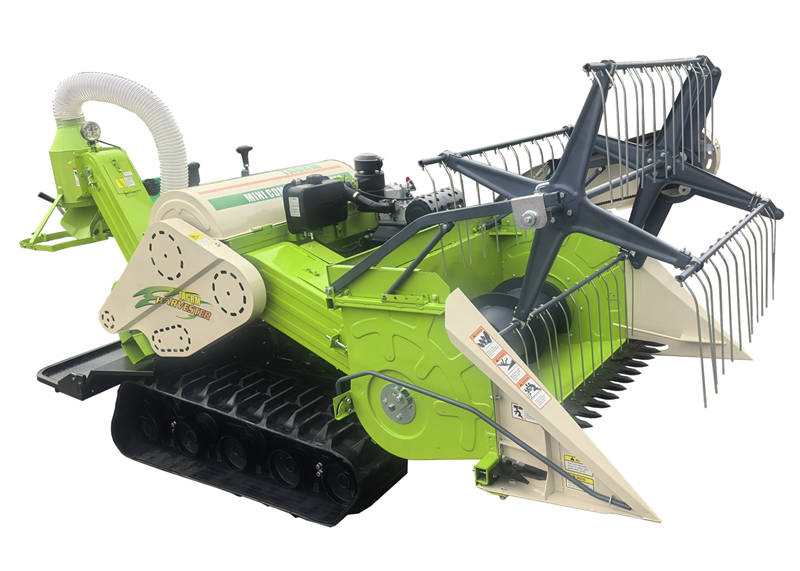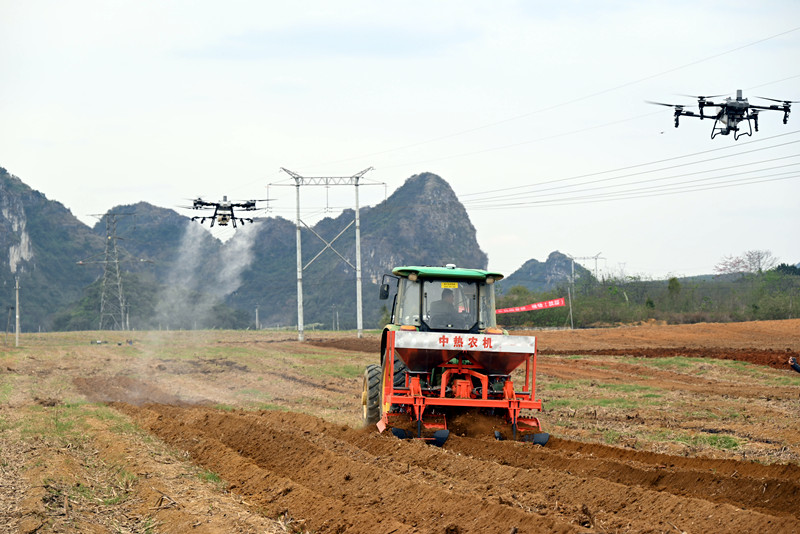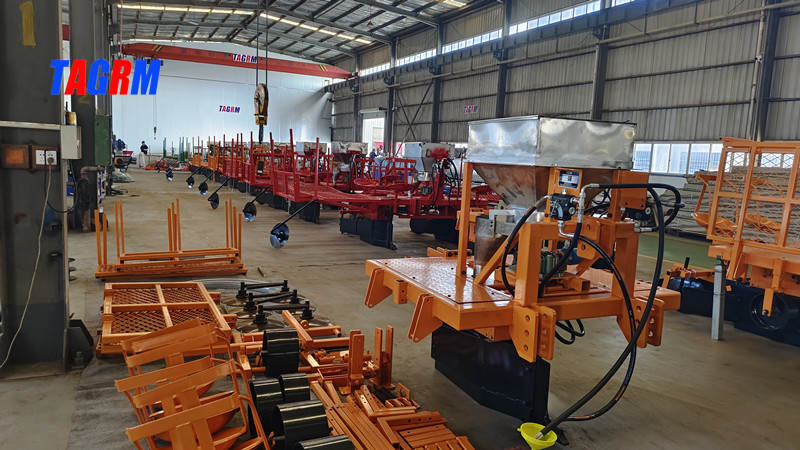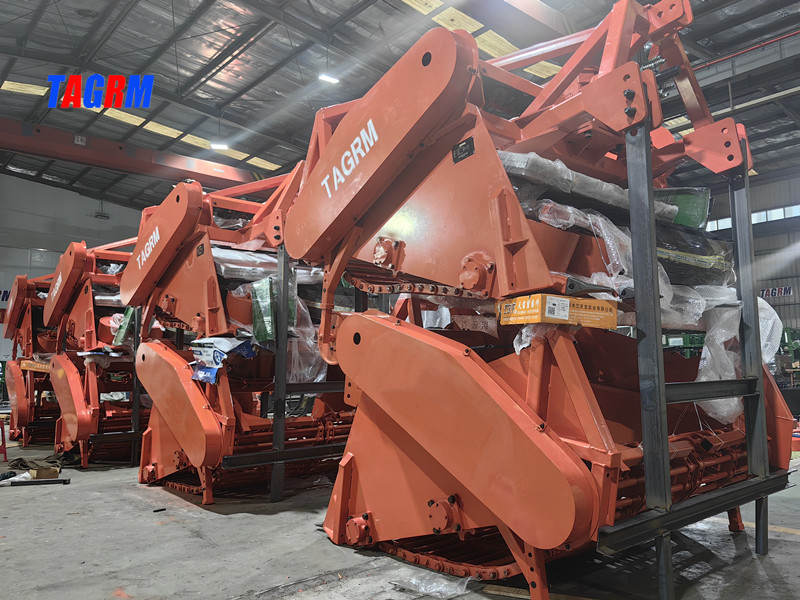
As one of the most significant crops in the world, rice is harvested in a way that is essential to the creation of this staple diet. It is impossible to overestimate the value of rice harvesters, which are tools used to gather and sort rice from the stalks. In this post, we'll look at how rice harvesters function and how they've changed the way rice is harvested.
Farmers had to harvest rice by hand until rice harvesters were developed. It took a lot of time and effort and was a very labor-intensive procedure. Additionally, it was prone to mistakes and inconsistencies, which frequently resulted in lower yields and fewer earnings. All of that changed with the development of the rice harvester. Compared to human labor, these machines can harvest rice more quickly, effectively, and precisely.
Although rice harvesters exist in a variety of sizes and designs, they all share a few basic parts. The first is the cutting device, which is in charge of slicing the stalks of rice. The harvester's cutting mechanism, which can either be a blade or a sickle, is often found up front. The stalks are chopped at the base by the blade or sickle, leaving the grains unharmed.
The second part of the harvester is activated once the stalks have been chopped. This is how the rice grains and stalks are separated during the threshing process. The threshing device may be a roller set, rotor, or drum. The teeth or spikes on the drum or rotor split the stalks apart and separate the grains. To remove the grains, the rollers crush the stalks.
The third part of the harvester takes control once the grains have been separated from the stalks. This is the cleaning process that clears the rice of any contaminants or dirt that could still be present. The cleaning system may consist of several blowers, sieves, or fans. These only leave the clean rice grains remaining after removing the husks, chaff, and other contaminants.
The harvester's collecting mechanism, which gathers the rice grains and stores them for later use, is its last part. A storage bin, hopper, or conveyor belt might serve as the collection device. The rice grains are moved by the conveyor belt to a hopper or storage bin where they may be gathered and sent to a processing plant.
The way rice is harvested has changed significantly as a result of the usage of harvesters. First, it has lowered labor expenses and improved efficiency. One person can harvest a lot of rice with a harvester in a manageable length of time. Farmers may employ their labor for other activities and save time and money as a result.
The quality of the rice harvest has also increased thanks to rice harvesters. Since the machinery is made to be gentle on the rice grains, harvesting is less likely to result in damage to them. This results in rice that is more valued on the market and of greater quality.
Third, the total productivity of rice cultivation has grown thanks to rice harvesters. These tools allow farmers to harvest more rice in less time, increasing the quantity of rice they can grow on an acre of land. This may result in higher agricultural profitability and reduced consumer prices.
In conclusion, rice harvesters have significantly changed how rice is harvested in several ways. It is now more productive, less labor-intensive, and more efficient. Additionally, they have raised the total productivity of rice production and enhanced the quality of the rice yield. The need for rice harvesters in the agricultural sector will only expand as the demand for rice throughout the world rises.
how rice harvester harvest rice
2023 05/11