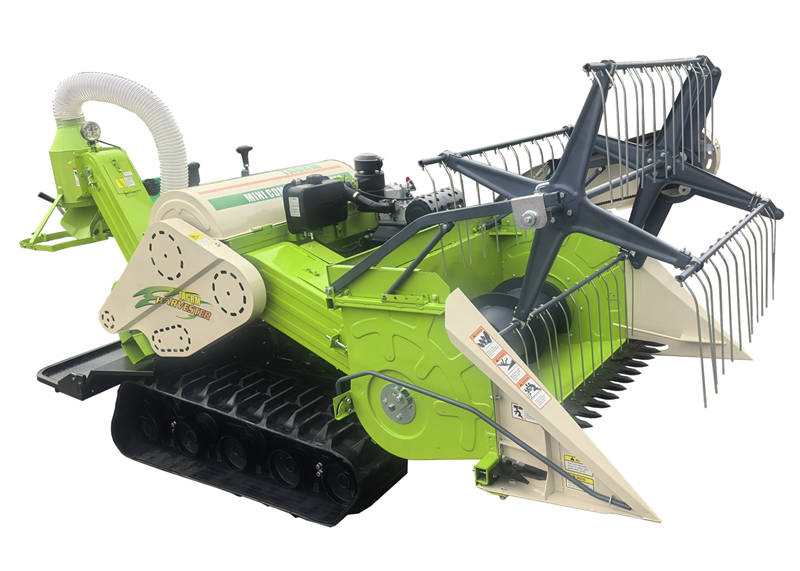
For several reasons, grains must be completely dry before being gathered by harvesters.
Effective threshing: Harvesters are made to take the grains out of the plant's husks and stalks. Because dry grains are less likely to cling together or become entangled with other plant material, they are simpler to separate. Wet grains may get sticky, obstructing the threshing process.
Preservation: While being stored, moisture can cause grains to decay or rot. Farmers can lower the chance of bacterial contamination, insect infestation, and fungal growth by harvesting grains when they are dry. Dry grains may be kept safely in storage for longer periods and have a longer shelf life.
Generally speaking, dry grains are of greater quality due to their increased taste, higher nutritional value, and lower susceptibility to damage. When grains are harvested when they are dry, their quality is preserved and they are guaranteed to meet the requirements for human consumption or other applications.
Mechanical considerations: Handling dry grains improves efficiency and reduces the wear and tear on harvesting equipment like combine harvesters. Wet grains can put more strain on the machinery, which could cause malfunctions and lower output in general.
Measuring moisture content: Grain must be harvested at the proper moisture level to be stored and processed. Since dry grains are simpler to measure precisely, farmers can choose the ideal moisture content for long-term storage or a particular processing requirement.
It's vital to keep in mind that different grains require different optimal moisture content levels for harvest, and these values can change depending on factors including environment, grain type, and intended use. To choose the best time for harvest, farmers frequently keep a close eye on the moisture level of the grains.