Corn is a high-yielding crop, the most productive crop in drylands, requiring large amounts of fertilizer, water, relatively troublesome management, more labor input, and relatively low economic benefits, so many people are willing to plant only one season a year. The scientific use of fertilizers and pesticides to reduce various expenses is now becoming an urgent issue.
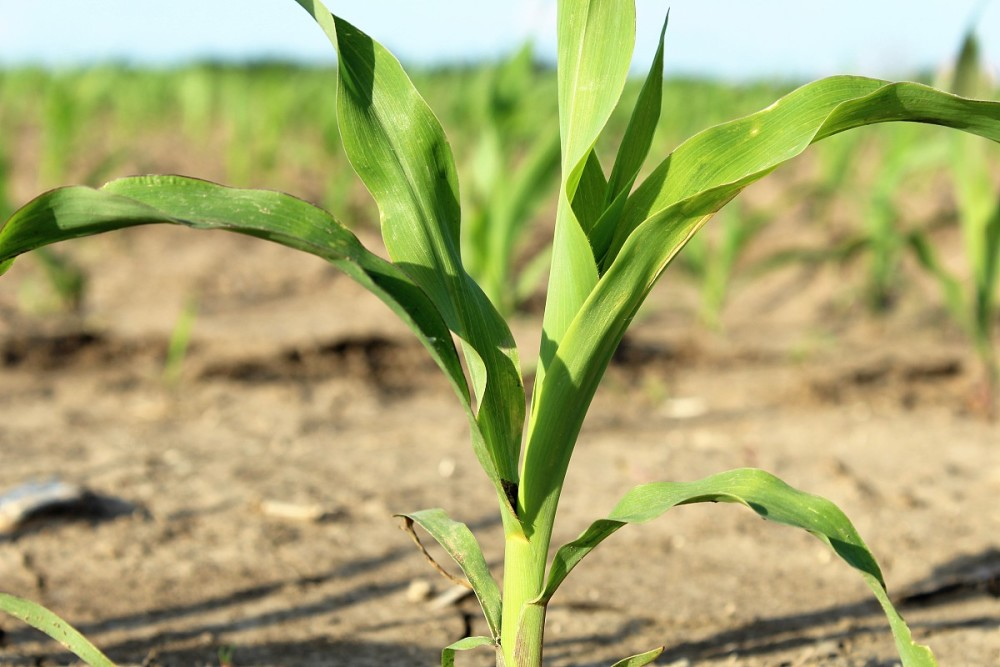
So, what fertilizer is good for corn?
1. Corn plants are tall, fast-growing, and high yielding, and need sufficient soil organic matter content, so you need to apply 3000 kg of well-rotted farmyard manure per mu to ensure that the soil fertility does not decline again and at the same time, the yield can be guaranteed. Now the number of stable fertilizers is not possible to meet the demand at this stage, but also only by cutting green compost, planting leguminous forage and straw back to the field to solve the problem of agricultural fertilizer, the use of vacant land, and two barren lands planting green manure is the future trend. In areas where farmyard manure is not available, only organic fertilizers and bacterial fertilizers can be purchased to supplement the amount of organic matter.2. Corn needs sufficient nitrogen fertilizer to raise the seedlings. At the 3-leaf stage of seedlings, seed nutrients are depleted, so they need to absorb a lot of nitrogen fertilizer from the soil. It is especially necessary to combine mid-tillage and weeding and watering with a timely follow-up application of nitrogen fertilizer. With different soil types, the application of different nitrogen fertilizers is important, the general use of nitrogen fertilizer varieties are mainly urea, ammonium bicarbonate, ammonium nitrate, ammonium chloride, etc... A portion of nitrogen fertilizer is also needed to supplement the nodulation and tasseling periods to prevent premature plant failure.
3. Rational use of phosphorus and potassium fertilizers. Only with the use of phosphorus and potassium fertilizers can we promote the differentiation of flower buds and increase the fruit set rate, especially when phosphorus and potassium fertilizers are applied during the trumpeting period and spike grain period to increase the yield significantly.
4. Zinc deficiency areas should pay attention to the application of zinc fertilizer. Zinc-deficient plots, the leaves often appear white striped spots, and even albino seedlings, seriously affecting corn growth. Zinc fertilizer can be used as base fertilizer, seed fertilizer, seed dressing and chasing fertilizer, or foliar spraying if necessary.
It should be reminded that although urea is high in nitrogen, it needs to be decomposed into ammonium nitrogen or nitrate nitrogen before it can be absorbed and used by corn. In the high-temperature stage, it can be decomposed after 2-3 days, and in early spring, it takes 4-7 days, so it is better to follow up with fertilizer early than late, and if there are symptoms of nitrogen deficiency, it is necessary to apply quick-acting nitrogen fertilizer.
Fertilizer should be carried out according to soil moisture, the soil is too dry, and almost no effect, in the dry season, simultaneous drought and fertilizer, are especially necessary.
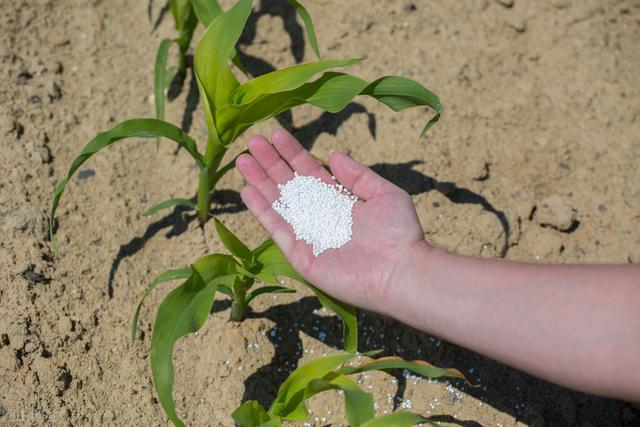
In summary, corn fertilization requires comprehensive nutrition, relying on a single fertilizer, simply can not meet all the needs, of course, you can also choose diammonium phosphate and potassium chloride-based high-nitrogen compound fertilizer, but also need to add other fertilizers as appropriate, according to the situation, to achieve the purpose of low input and high output.