1. Scientific management of rice greening and tillering period
After transplanting, the color of rice will generally change from green to yellow and then from yellow to green again, which is called the greening period.
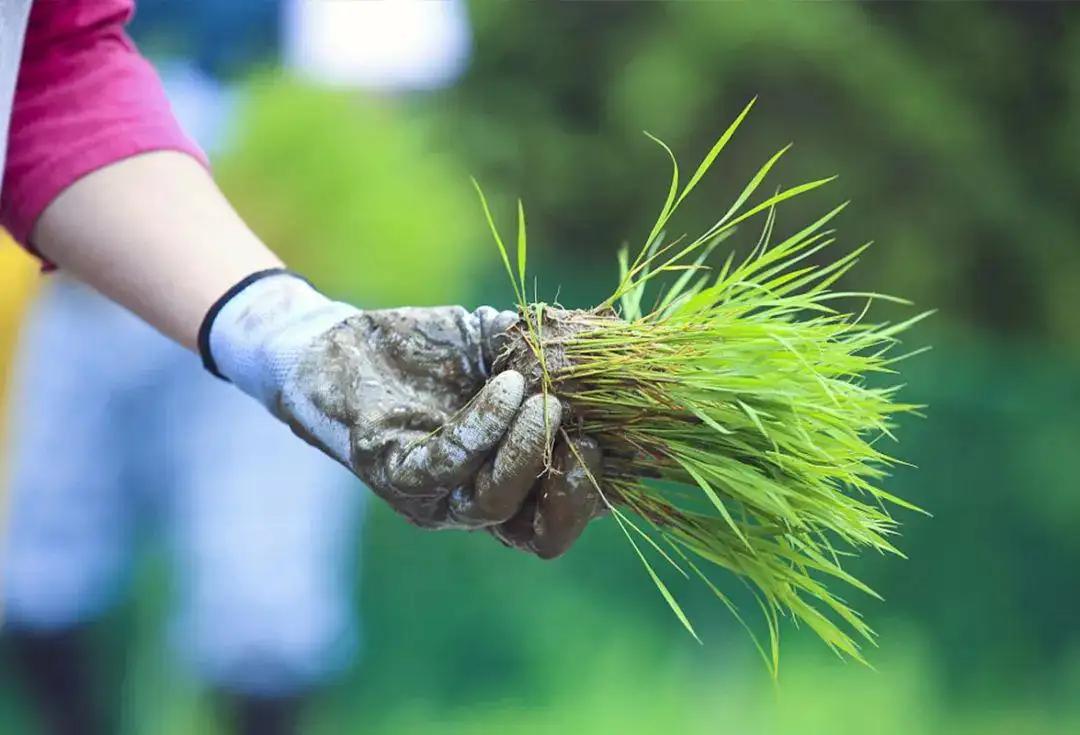
Apply tiller fertilizer immediately after the greening, so that the fertilizer effect will react in the leaf position (6 leaves) of the tiller. If you apply tiller fertilizer in two chases, the second tiller fertilizer should be applied before the 6 leaves stage at the latest, so that the fertilizer effect will not react after the critical leaf position of the effective tiller.
During the tillering stage, attention should be paid to robbing clear application and shallow water application and try to make the soil and fertilizer mixed to improve the fertilizer effect. About a week after fertilizer application, no drainage and no irrigation will be applied to reduce nutrient loss.
2. Causes of rice not returning to green
Generally speaking, rice will return to green 5-7 days after normal planting. If it never turns green, it may be affected by the following factors.
(1) Planting too deep
If planted too deep, the root system will not grow well and will affect the greening of the plant. Generally, the planting depth of seedlings should be 3-4cm.
(2) High temperature and drought
If you encounter high temperatures and drought after planting, it will affect the growth of the root system and generally cause late greening, and in serious cases, the seedlings will die due to insufficient water.
(3) Water layer is too deep
When the water layer in the field is deep, the soil temperature in the field is usually lower during the day, while the soil is not sufficiently oxygenated, which affects the growth of root respiration and is not conducive to rice re-greening.
(4) Herbicide residues
If herbicides are used improperly before and after transplanting, or if there are too many herbicide residues from the previous season, this can also affect root growth and re-greening.
3. Management methods for rice re-greening
(1) Apply greening fertilizer
The timely application of fertilizer 5-7 days after planting is beneficial to the rapid greening of seedlings and the growth of dense green. The use of Tillerbuster liquid biological greening fertilizer can prevent low temperature and cold damage and promote greening. It quickly repairs damaged roots and increases the number of fibrous roots, which can resist low temperature and cold damage during transplanting, enhance the seedling's resistance, balance growth, reconstruct and activate the seedling's immune system, shorten the re-greening period, and enter tillering earlier. Tiller bully greening fertilizer contains pollen polysaccharides, which can speed up greening after transplanting, promote tillering and improve the utilization rate of chemical fertilizer in the field.
(2) Water management
Therefore, a water layer (at 1/2-2/3 of the seedling height) should be established immediately, not only to prevent the transpiration loss of water from the leaves causing dryness but also to prevent the low-temperature seedlings from freezing and to play the role of protecting the seedlings with water. After the rice is green, the water layer should be controlled at 3-5cm, which is conducive to raising the water temperature and ground temperature and promoting early tillering of seedlings.
(3) Scientific weeding
After 5-10 days after transplanting, weeding should be done on time using scientific fertilization methods.
(4) Pest and disease control
Pest and disease control can be carried out in combination with the application of greening fertilizer and pesticides.
4. How to determine if the plants are green?
After transplanting, 50% of the plants have their heart leaves open at midday or the tips of the leaves spit water in the morning.