There are four periods of rice maturity, including milky, waxing, finishing, and dead tree.
1. Milk ripening period
Rice starts to ripen 3 to 5 days after flowering. After filling, the contents of the seeds are white and milky, starch accumulates and the dry and fresh weights continue to increase. During this period there is a hard feeling in the middle of the spike when pressed by hand, which lasts for about 7 to 10 days.
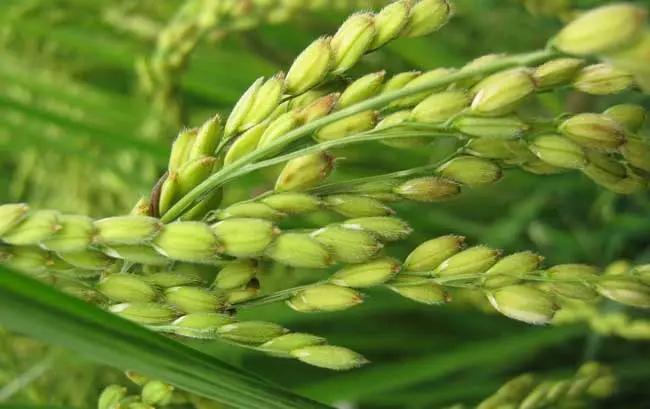
2. Wax ripening stage
During this period, the contents of the grains are thick and sticky, no emulsion appears, there is a hard feeling in the middle of the spike when you press the grains, the fresh weight starts to drop and the dry weight is close to the maximum. The green color on the back of the grain gradually disappears and the hull turns slightly yellow. This period lasts about 7 to 9 days.
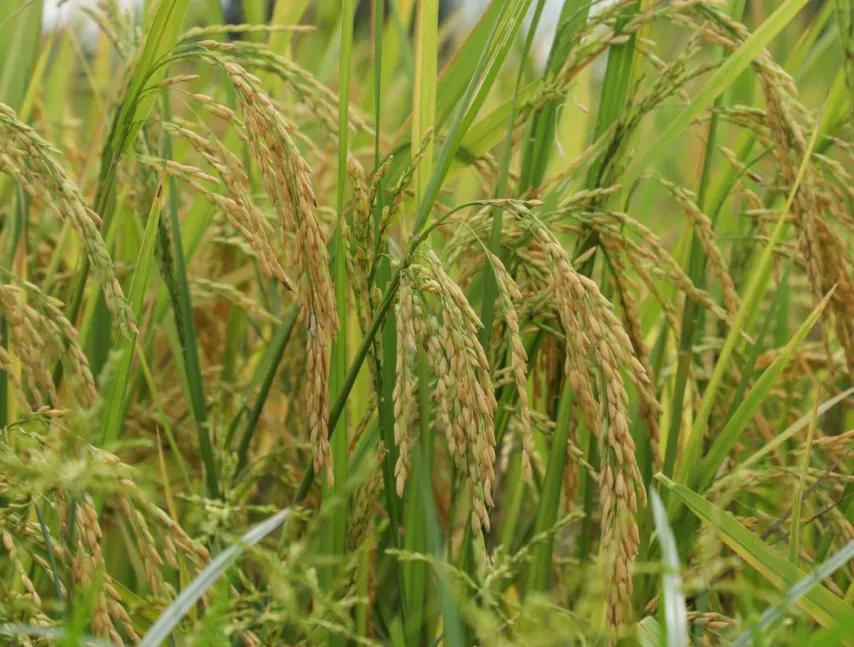
3. Complete ripening period
The hulls turn yellow, the moisture in the grains decreases, the dry weight reaches a constant value and the kernels become hard and less likely to break. This is the harvesting period.
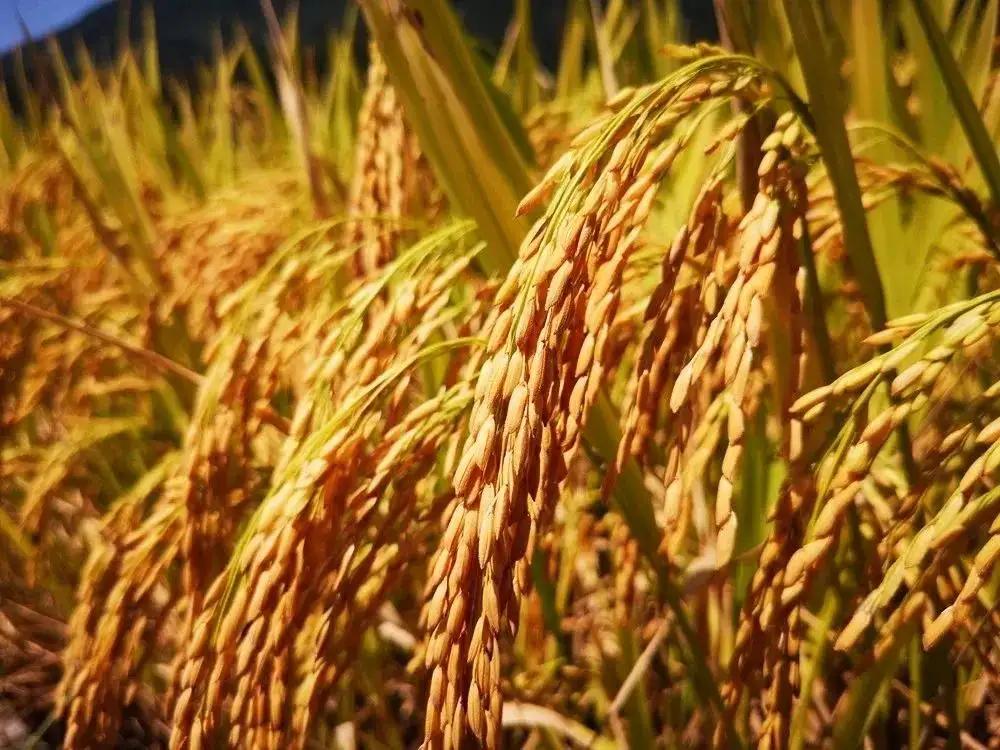
4. Dead tree stage
The yellow color of the hull fades, the stalks dry up, the top stalks break easily and the rice grains occasionally show traces of cross breakage, which affects the quality of the rice.
The standard for rice to reach physiological maturity is when the dry matter weight in the seeds reaches its maximum, which is the stage of complete maturity. In terms of appearance, the best time to harvest rice is when more than 95% of the grain glumes per spike turn yellow or more than 95% of the grain spikelet shafts and secondary guard glumes turn yellow, and the rice grains are set to harden and become transparent.
In production, attention should be paid to the cultivation management of rice at maturity, especially the management of water, as some areas are often affected by the late withdrawal of water too early and the fullness of the seeds. If you use a reasonable amount of water during the filling and fruiting period, you can achieve the goal of nourishing the roots and keeping the leaves, lightly ripening the culms, and filling the grains with pulp. For this reason, the last watering is generally done 7 to 10 days before maturity, depending on the soil moisture content and the weather and grain maturity.